




There’s a moment every year when you notice it. The light lingers a little longer in the morning. Evenings stretch out. And your desk, which once felt predictable, starts behaving differently.
At first, it’s a welcome shift. More daylight, less reliance on artificial light. But then the small frustrations creep in. Glare across your screen. A bright patch that drifts just enough to distract. Shadows appearing where you didn’t expect them.
Seasonal light has a habit of doing that. It changes its mind throughout the day.
In this guide, we’ll share practical spring summer lighting tips to help you stay comfortable and focused as the days lengthen. From balancing natural light to choosing desk lighting that adapts with you, it’s about creating a workspace that feels steady, even when the light isn’t.

Why Desk Lighting Matters More in Spring and Summer
It’s easy to assume that brighter days mean you can rely less on desk lighting. In reality, the opposite is often true.
Spring and summer light is constantly shifting. It moves across your space, changes in intensity and creates uneven patches of brightness that come and go without warning. A desk that feels perfectly lit first thing can be full of glare an hour later, then oddly dim by mid afternoon.
Your eyes are doing a lot of work behind the scenes to keep up with those changes. Over time, that effort builds into fatigue. You might find yourself squinting slightly, leaning closer to your screen or losing focus more quickly than usual.
Good desk lighting helps smooth all of that out. It reduces the contrast between bright and dark areas, giving your eyes a consistent point to settle on. And when your eyes are more comfortable, your concentration tends to follow.
There’s also something less tangible, but just as important. A well lit desk feels considered. Balanced. It invites you to sit down and get on with things, rather than constantly adjusting your position to compensate for the light.
Lighting tips for spring summer
The aim is not to compete with natural light, but to support it. A few thoughtful adjustments can make your workspace feel far more stable throughout the day.
Choose a desk lamp that creates consistent light
Natural light is brilliant, but it isn’t reliable. It shifts, fades, brightens and disappears depending on the weather and the time of day. A good desk lamp fills in those gaps without overwhelming the space.
What you’re looking for is a focused, directional light that can be guided exactly where it’s needed. Something that lights your task clearly, rather than flooding the whole desk.
Adjustable desk lamps do this particularly well. It allows you to direct light precisely, whether you’re working across a notebook or focusing on a screen. It stays controlled and steady, quietly supporting whatever you’re doing without drawing attention to itself.
On overcast days, it takes the lead. On bright ones, it plays more of a supporting role.
Place your lamp opposite your main light source
This is one of the simplest changes you can make, but also one of the most effective.
If your window sits to the left of your desk, place your lamp on the right. If your main source of daylight comes from the right, position your lamp on the left. It sounds almost too straightforward, but it works.
Without this balance, one side of your workspace tends to be significantly brighter than the other. That uneven contrast is what causes strain over time. By introducing light from the opposite side, you soften the difference and create a more even, comfortable environment to work in. It’s a small shift in setup, but one you’ll notice quite quickly.
Manage screen glare with adjustable lighting
Glare has a way of creeping in just when you’re getting into a rhythm. It might start as a faint reflection, then gradually become something you can’t ignore.
The key to managing it is flexibility. A desk lamp that adjusts easily allows you to respond in the moment, without overthinking it. You tilt the shade slightly, shift the angle, and carry on.
What matters here is how the lamp behaves once you’ve moved it. A well balanced design holds its position, so you’re not constantly correcting it throughout the day. You set it once and it stays where you need it.
That kind of quiet reliability makes a bigger difference than you might expect.
Adjust as the day changes
One thing that’s easy to overlook is just how much the light in a room changes between morning and evening. The angle of the sun shifts, the intensity softens, and what worked earlier in the day might not feel right later on.
It helps to think of your desk lighting as something active rather than fixed. You might begin the day relying mostly on natural light, with your lamp sitting slightly to the side. As the sun moves, you bring it in to soften glare or lift darker areas. By late afternoon, it might become your main source of light.
These adjustments don’t need to be dramatic. Small movements are usually enough to keep everything feeling balanced.
Two Common Desk Scenarios
Every desk is slightly different, but most setups fall into a couple of familiar patterns. Understanding how light behaves in each one makes it easier to work with, rather than against it.
The Window-Facing Desk
A desk that faces a window often feels like the ideal setup. There’s a sense of openness, and the natural light can be energising, especially in the morning.
But it can also be unpredictable. Direct sunlight can create strong reflections on your screen, and as the sun moves, that light shifts quickly across your workspace. What starts as a pleasant glow can become distracting before you realise it.
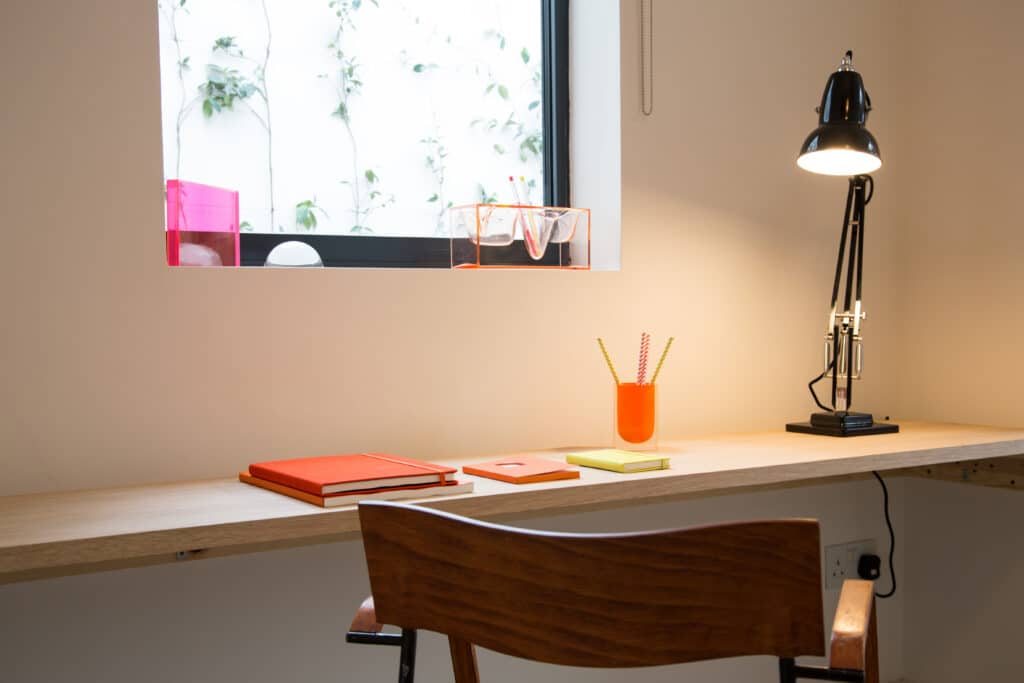
Introducing a desk lamp gives you a layer of control. Placing it slightly to one side and angling it towards your work surface helps reduce the contrast between your screen and its surroundings. It creates a steadier visual environment, so you’re not constantly reacting to what’s happening outside.
The Side-Lit Workspace
With a side-lit desk, one half of your workspace tends to receive more natural light than the other. At first, this can feel comfortable enough. But over time, the imbalance becomes more noticeable.
One side is bright, the other falls into shadow, and your eyes are left to bridge the gap. That unevenness can lead to subtle strain, especially during longer periods of focused work.
This is where desk lighting for variable lit desks becomes particularly useful. Positioning your lamp on the darker side helps lift the shadows and bring the overall lighting closer to balance. You’re not trying to match the brightness of the window exactly, just soften the difference so everything feels more even.
It’s a quiet adjustment, but one that supports you throughout the day.
What type of desk lamp works best?
A directional, adjustable lamp is ideal, as it allows you to control exactly where the light falls and respond to changes throughout the day.
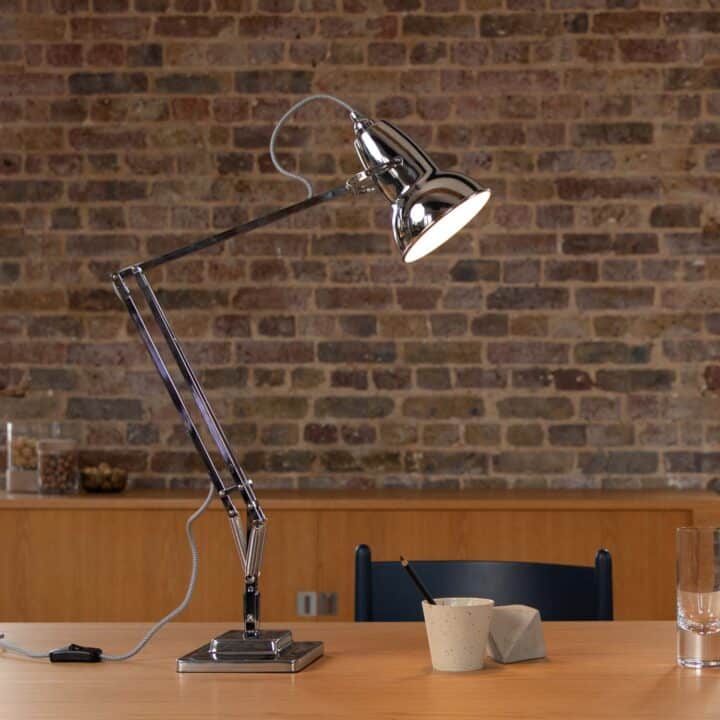
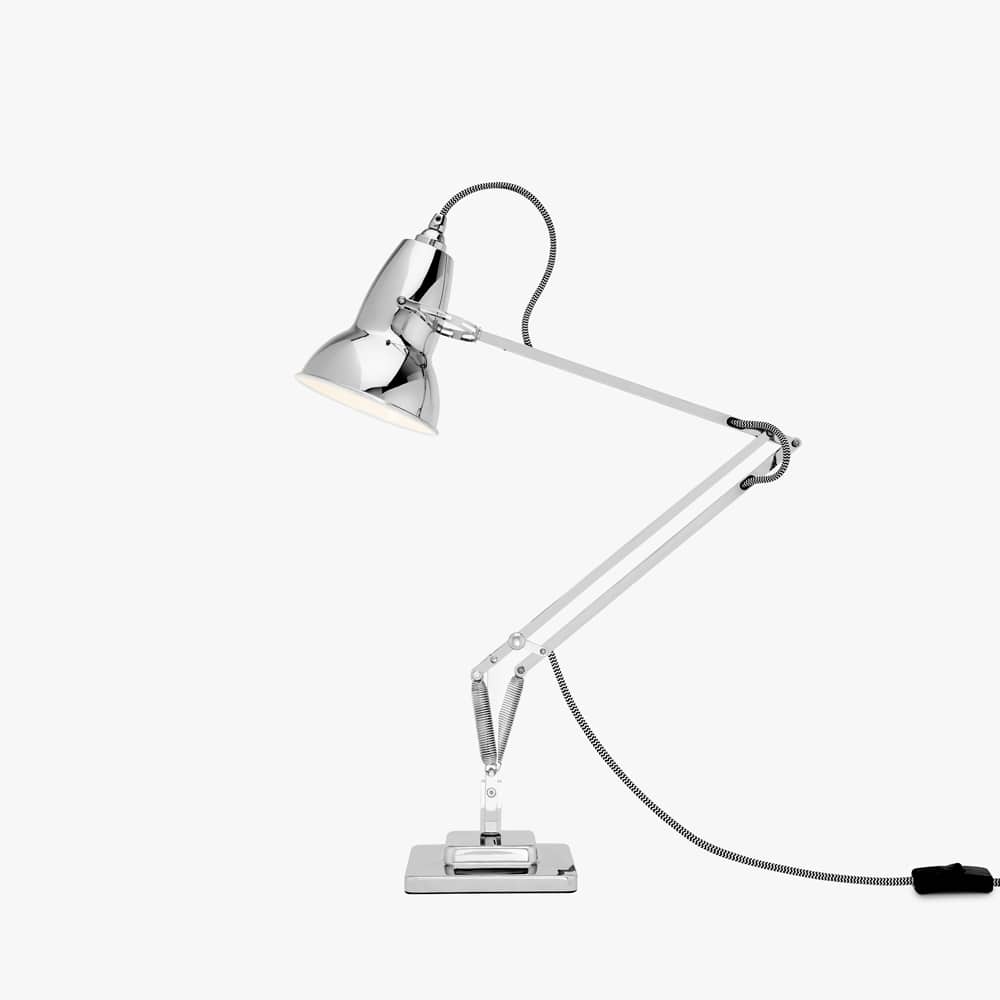
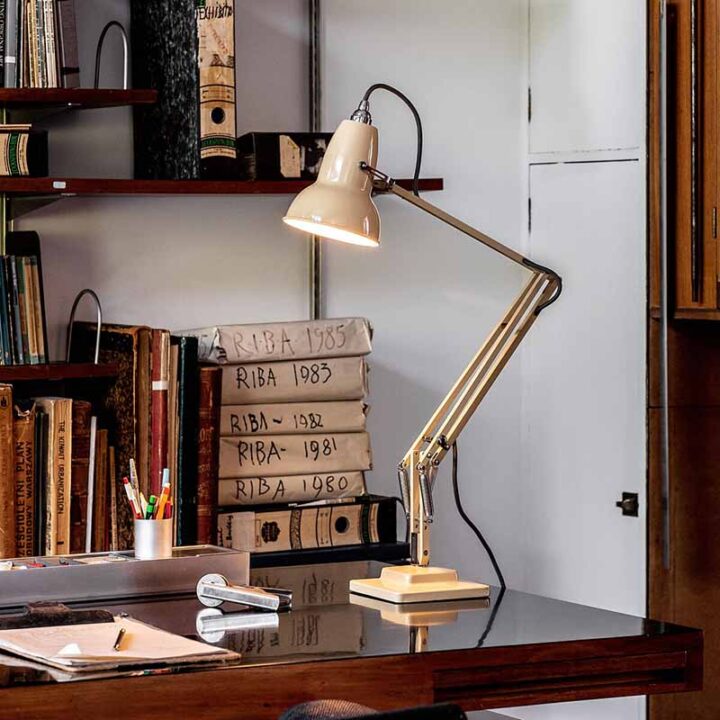
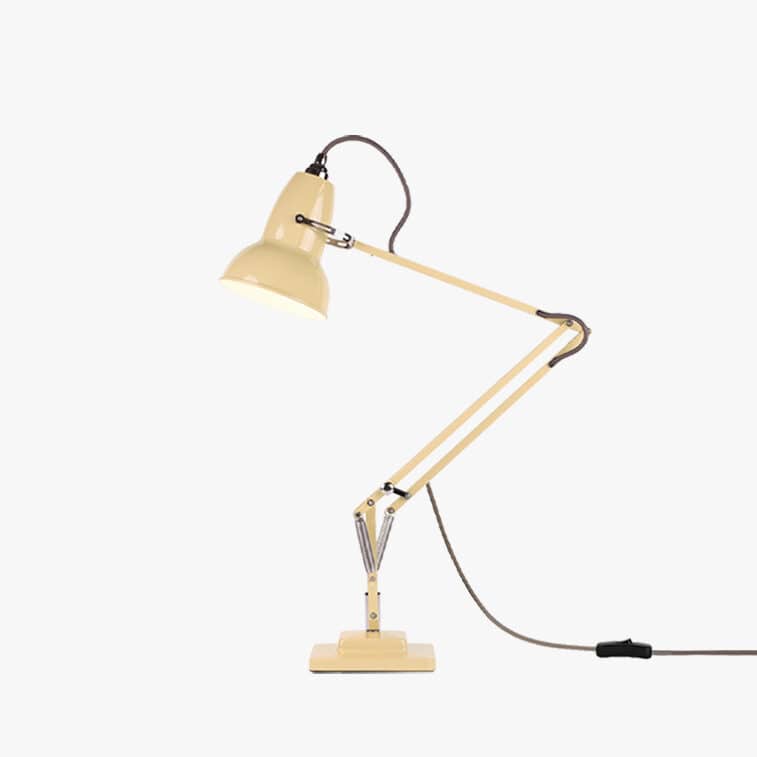
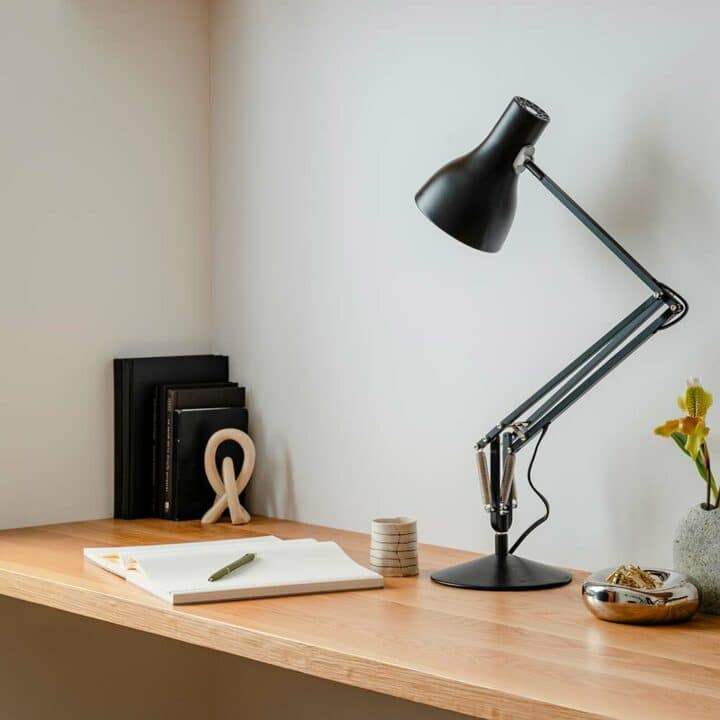
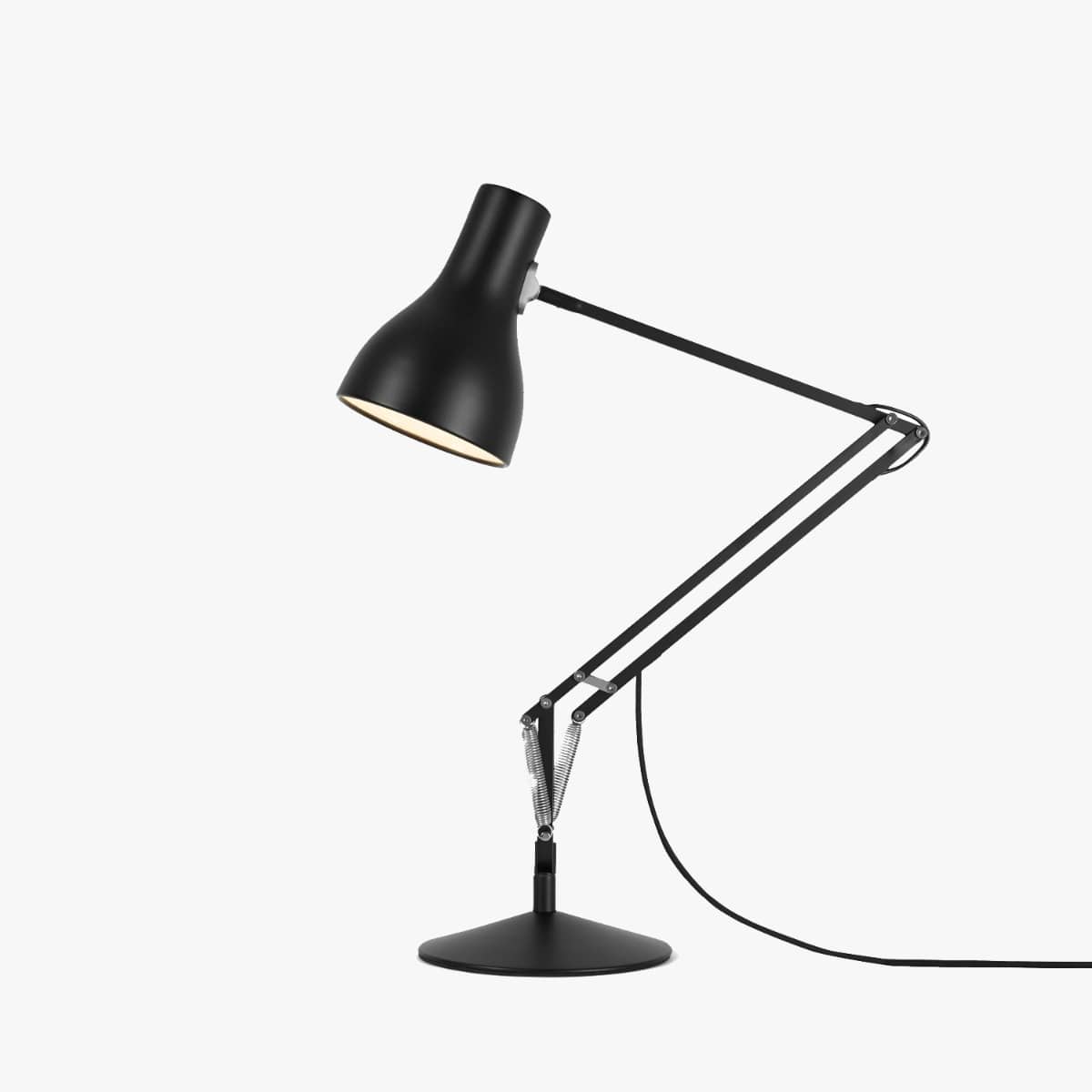
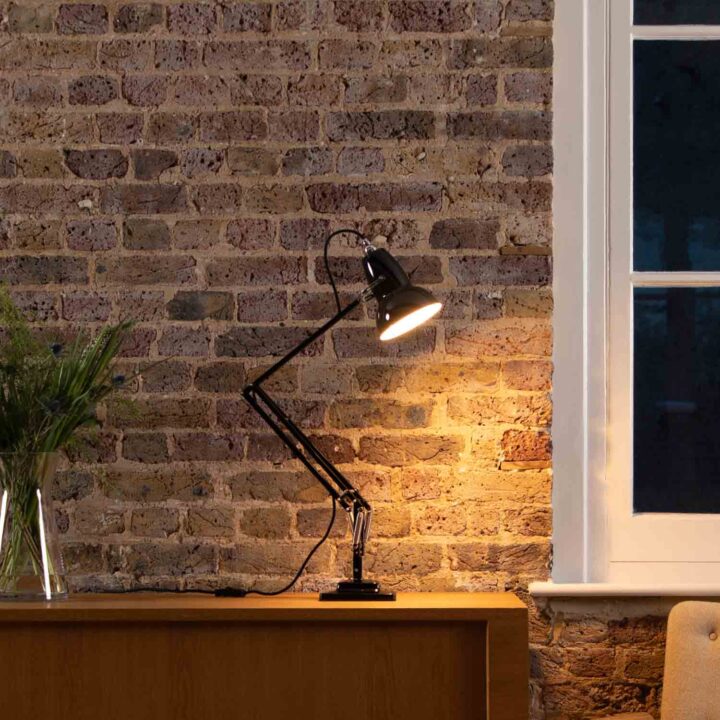
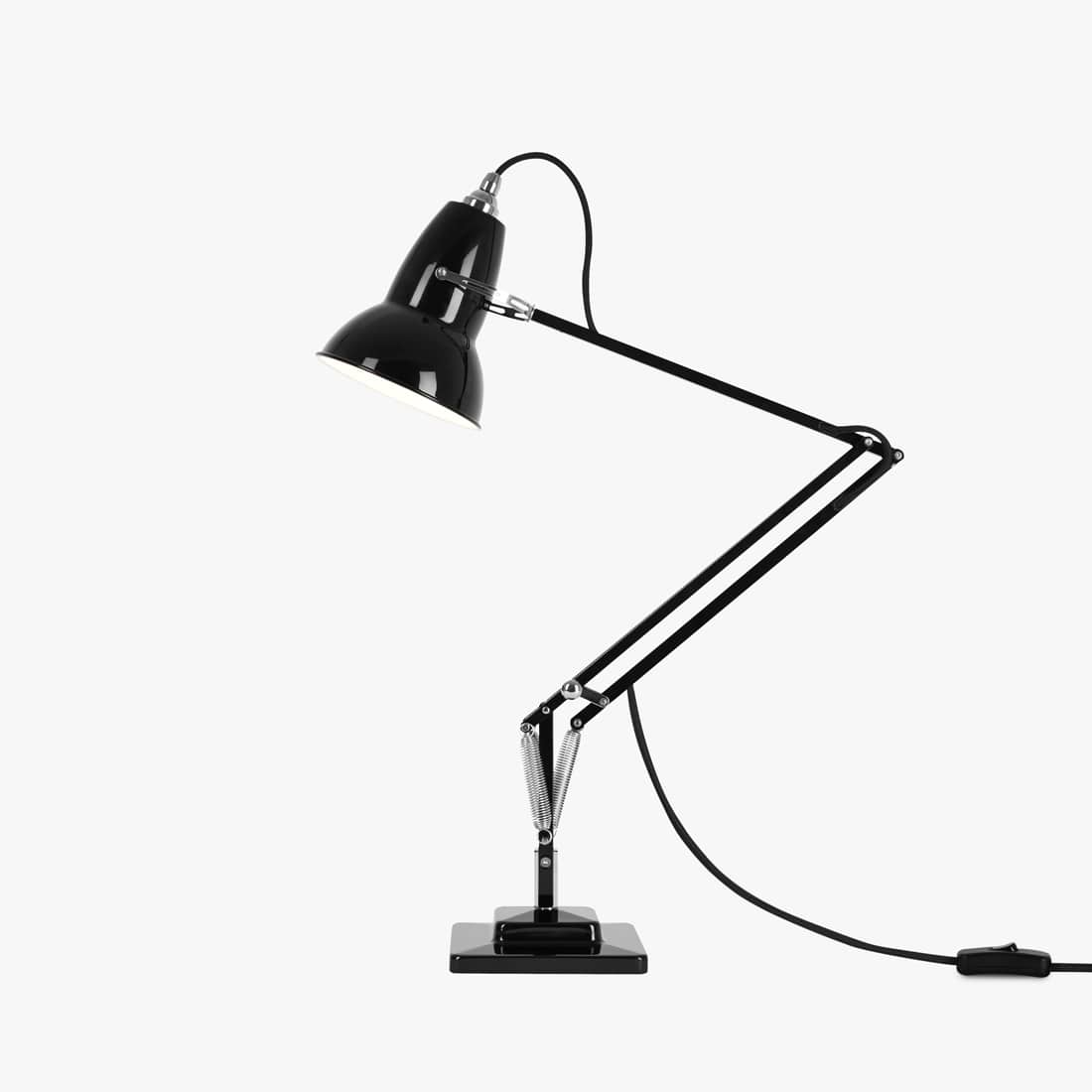
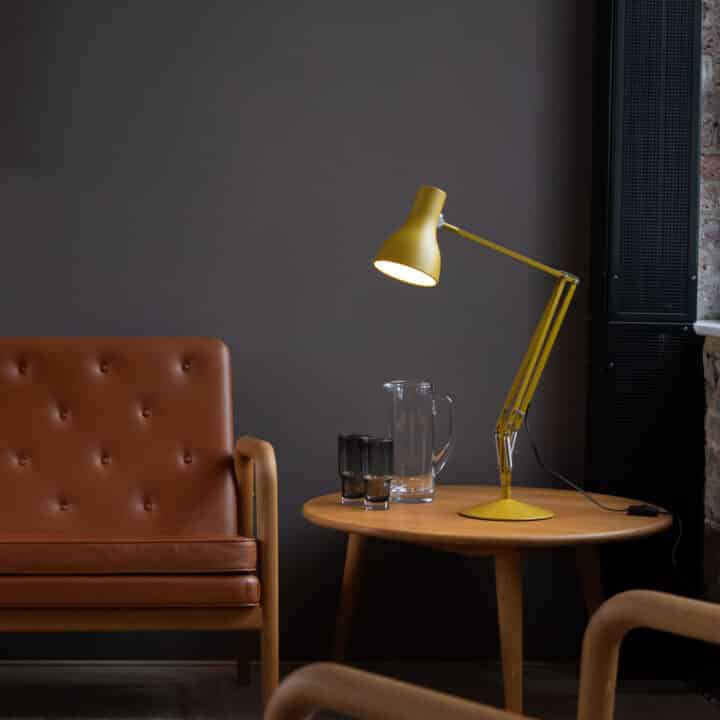
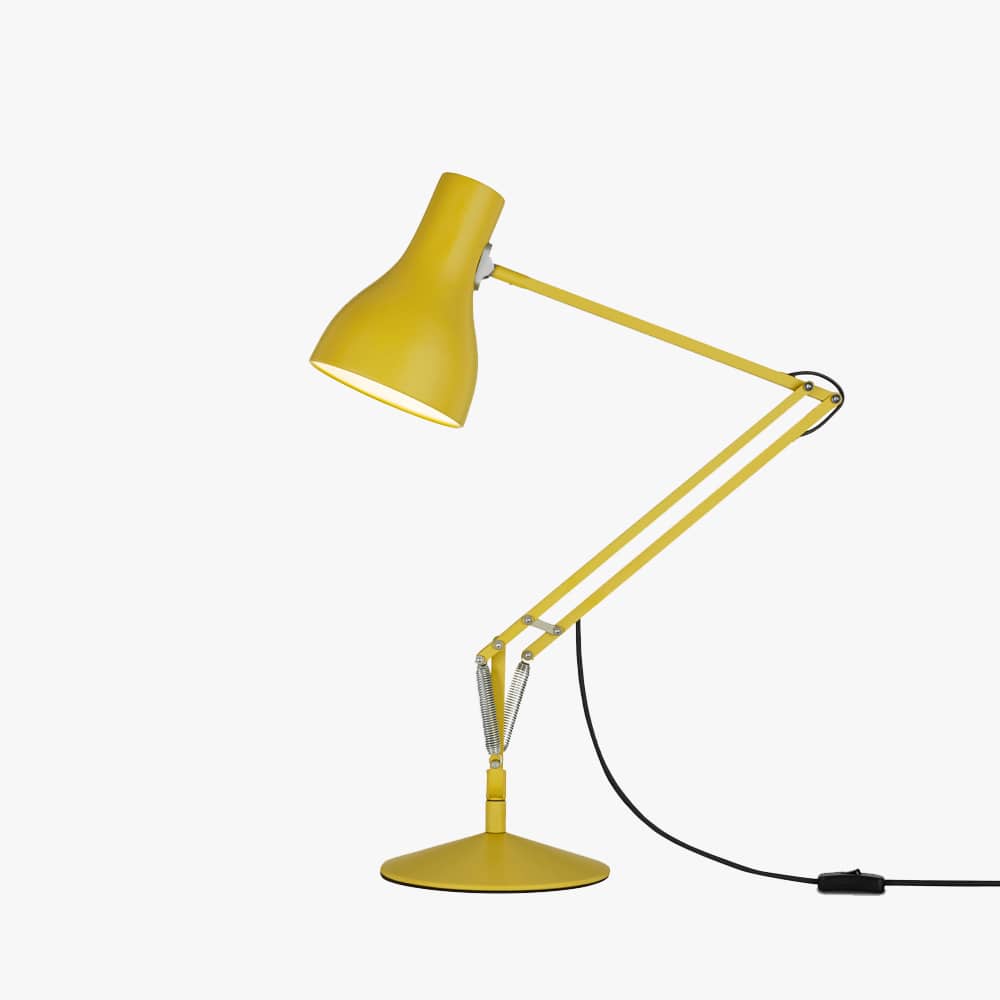
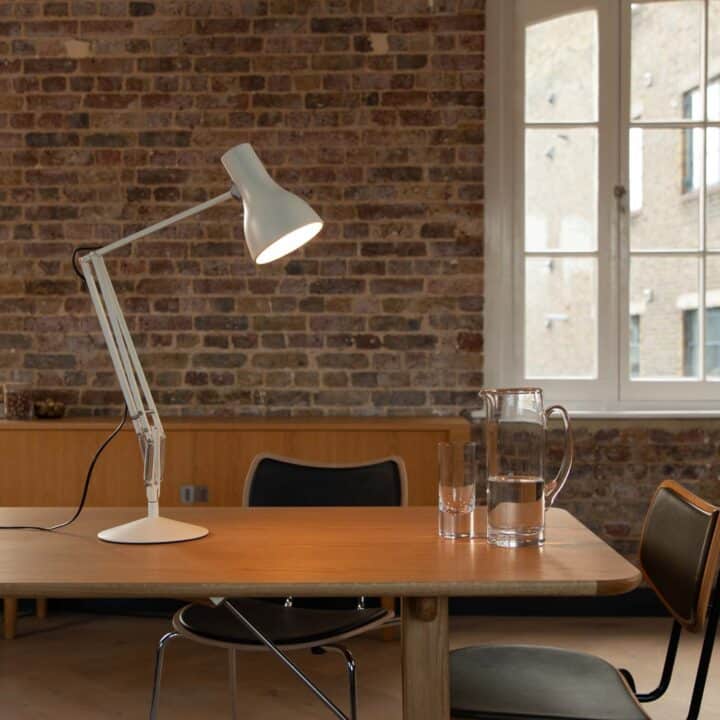
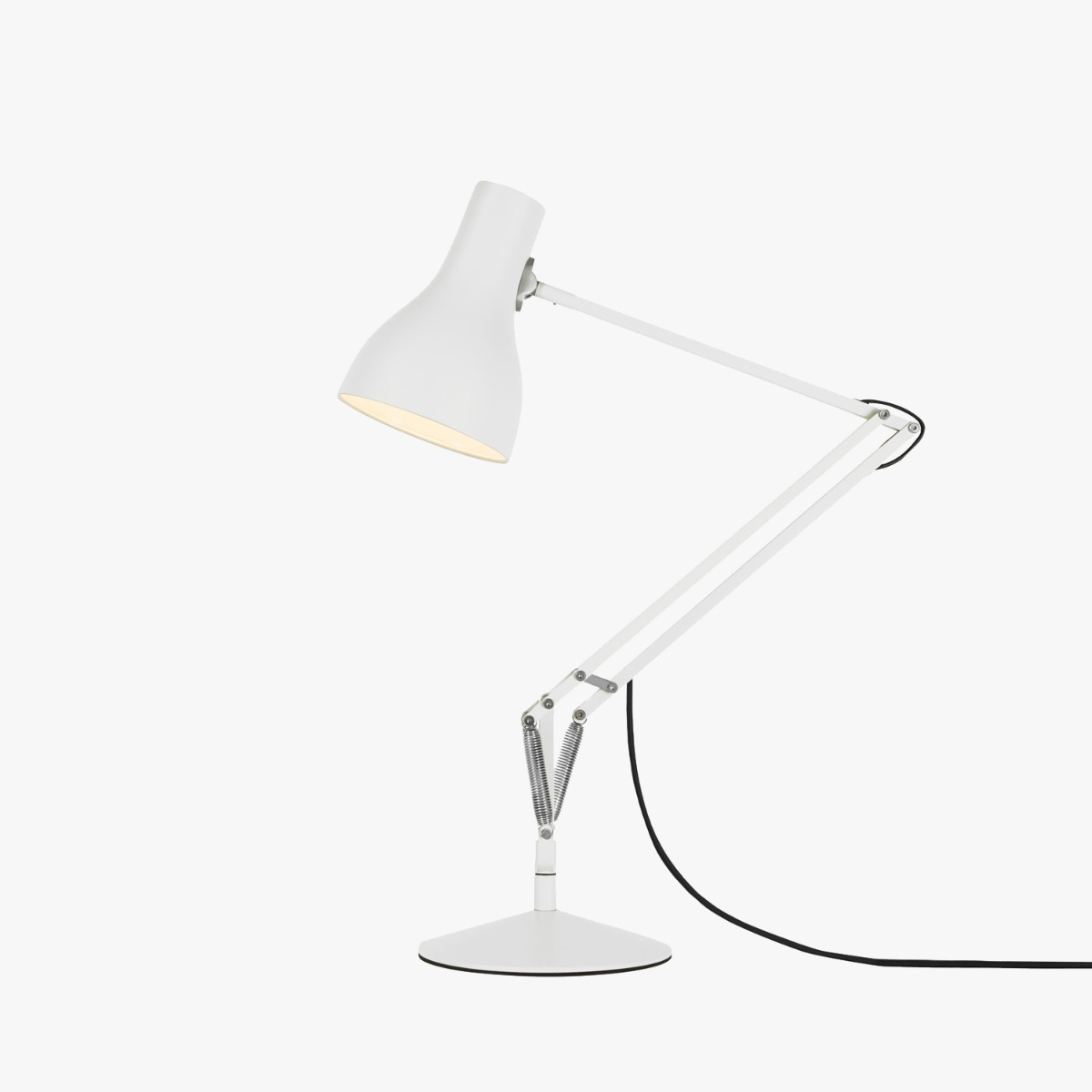
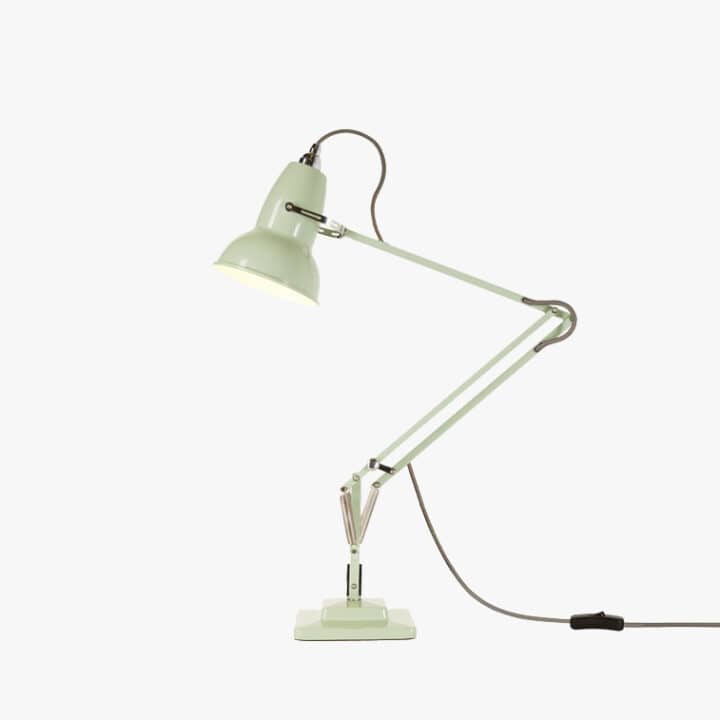
Designs like the Type 75 and Original 1227 desk lamps are particularly effective because they’re built around movement and balance. You can guide the light with a light touch, reposition it as the sun shifts, and trust that it will stay exactly where you place it. The adjustable arms and directional shade mean you can focus light onto your task, soften shadows or reduce glare without overcomplicating things.
It’s that combination of precision and ease that makes the difference. You’re not working around your lighting. It works around you.
FAQ: Desk Lighting in Spring and Summer
Do I still need a desk lamp in bright months?
Yes. Natural light changes constantly, and a desk lamp helps create consistency and reduce strain when those shifts occur.
Where should I place my desk lamp?
Position it on the opposite side of your main natural light source to balance the overall lighting on your desk.
How do I reduce screen glare?
Adjust the angle of your lamp so it lights your workspace without reflecting directly onto your screen. Small changes are often enough.
Can lighting really affect productivity?
It can. Comfortable, balanced lighting reduces eye strain and helps you maintain focus for longer periods.
Conclusion
Longer days bring more light, but not always the kind that works in your favour. As natural light shifts, a well considered desk setup helps restore a sense of balance.
The right desk lamp becomes part of that rhythm. It supports your focus, adapts as the day changes and quietly does its job without demanding attention. Whether it’s a Type 75 or an Original 1227 desk lamp, the principle remains the same. Light where you need it, when you need it.
From early mornings through to the softer light of evening, it moves with you. And that’s what makes the difference.
Explore our desk lighting collection or Shop desk lights to find the setup that fits your workspace.