



News
What Is an Architect Lamp?

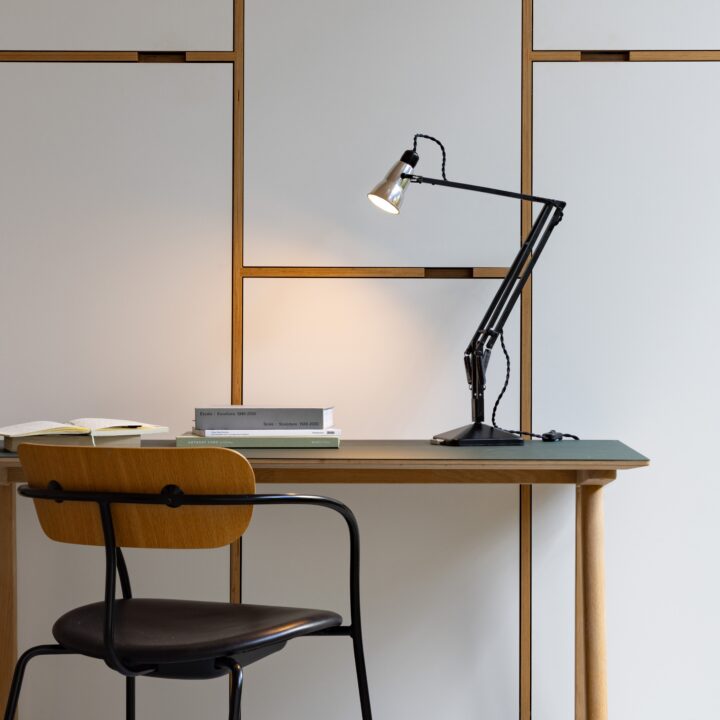
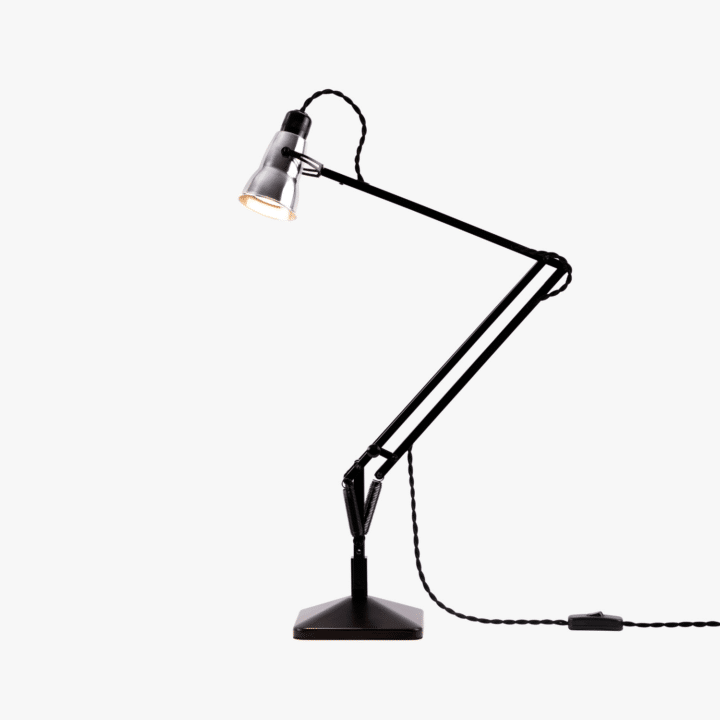
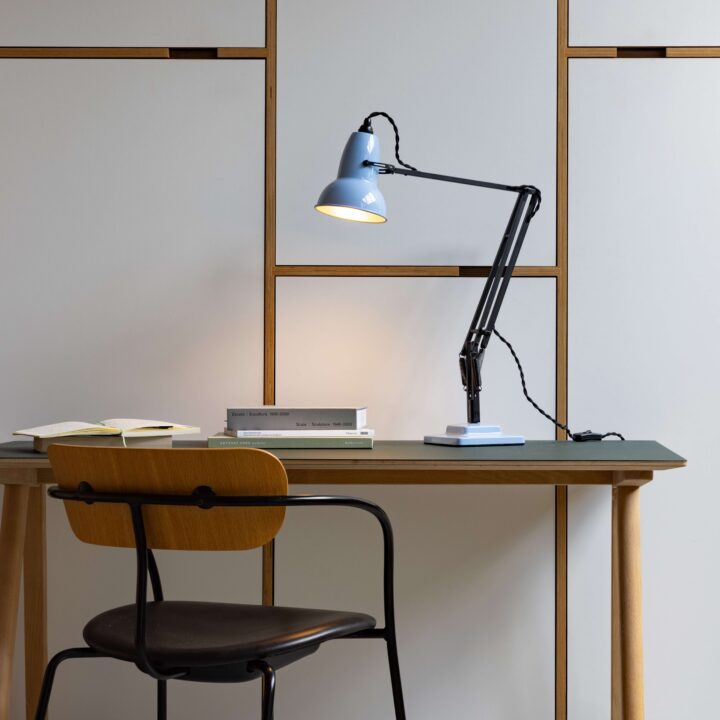
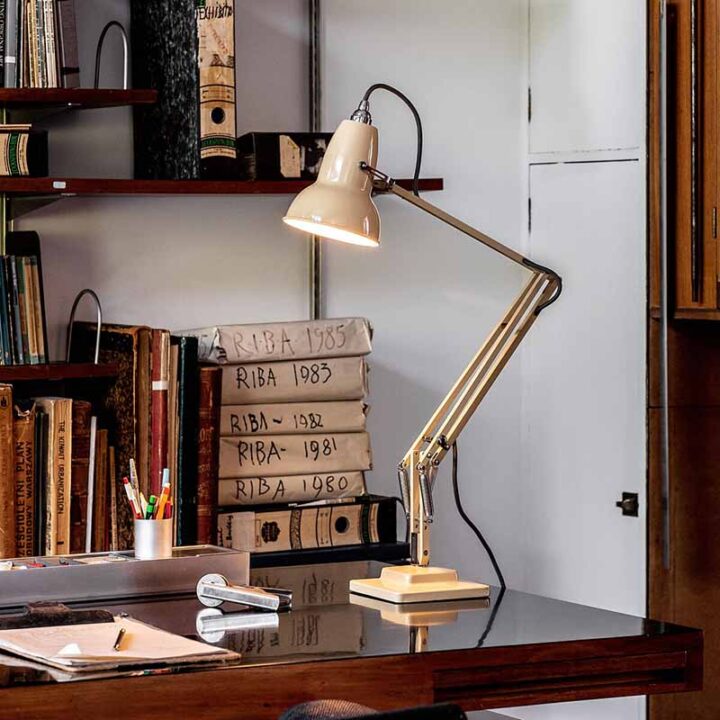
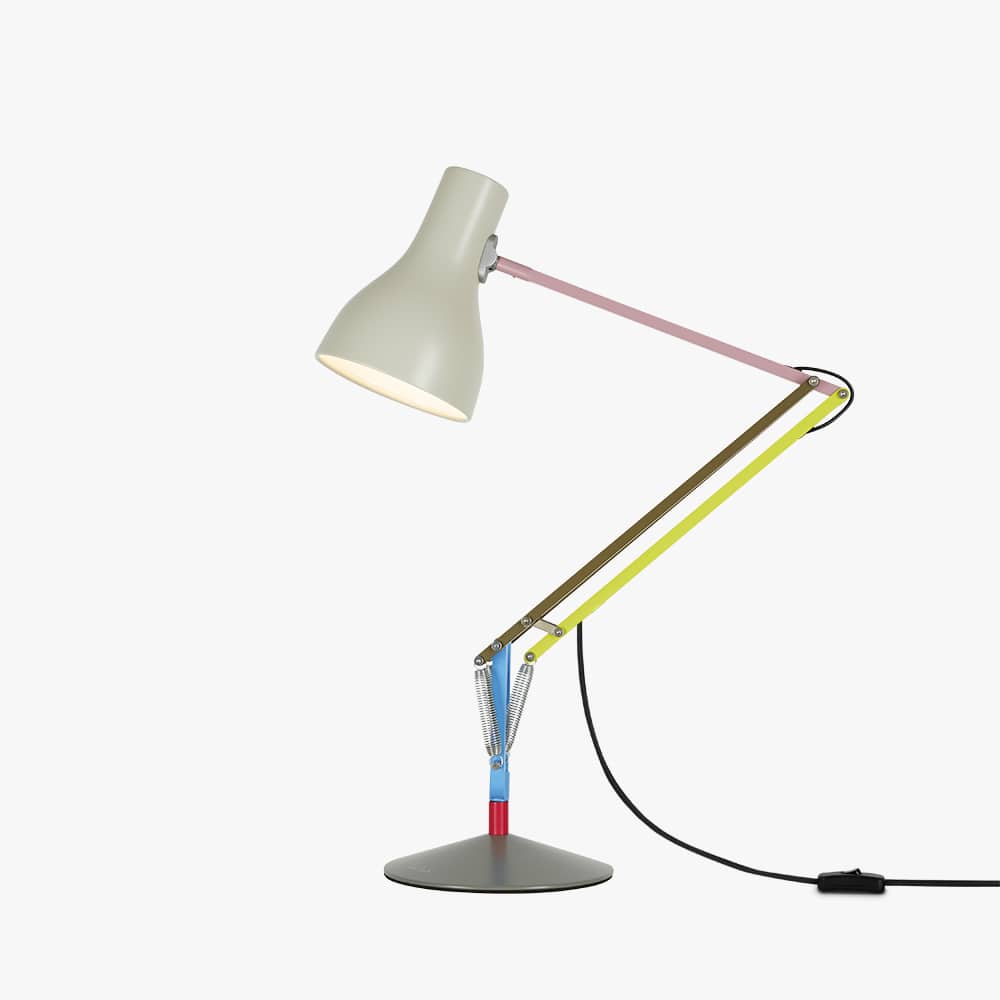
An architect lamp is an adjustable task lamp designed to direct light precisely where it’s needed. Typically recognised by its articulated arm, directional shade and distinctive mechanical form, it can be repositioned easily over a desk or work surface — making it particularly useful for drawing, reading and other focused tasks.
Despite the name, you don’t need to be an architect to appreciate one.
The architect lamp has become a familiar presence in studios, offices and homes around the world. Its enduring appeal comes from a simple idea: rather than asking you to work around a fixed source of light, the lamp moves with you.

What makes a lamp an ‘architect lamp’?
There isn’t one strict definition, but most architect lamps share a few characteristics. They’re adjustable, directional and designed primarily as task lighting.
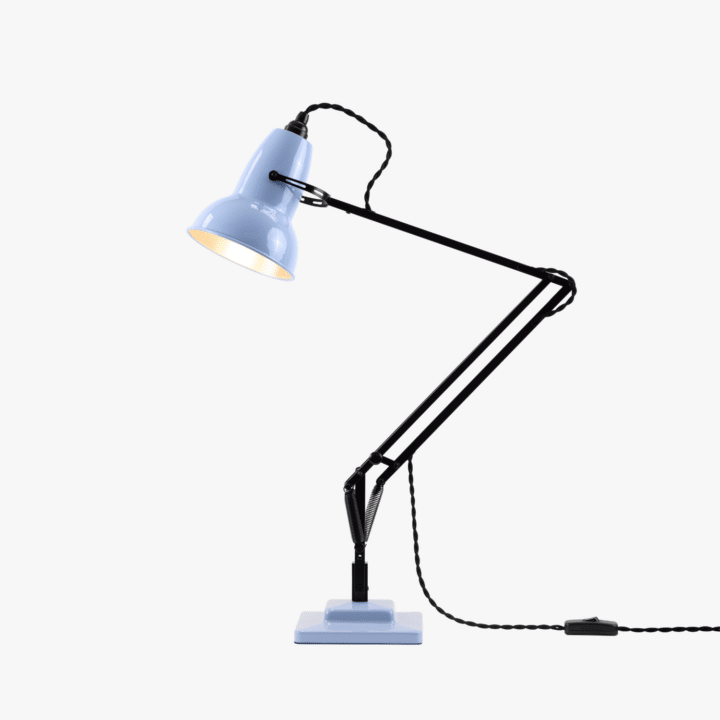
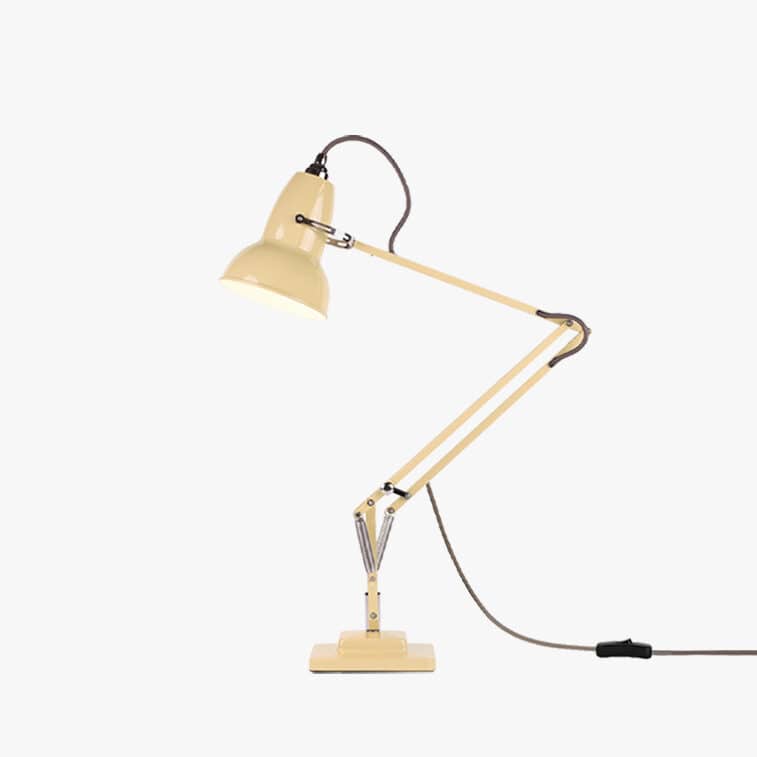
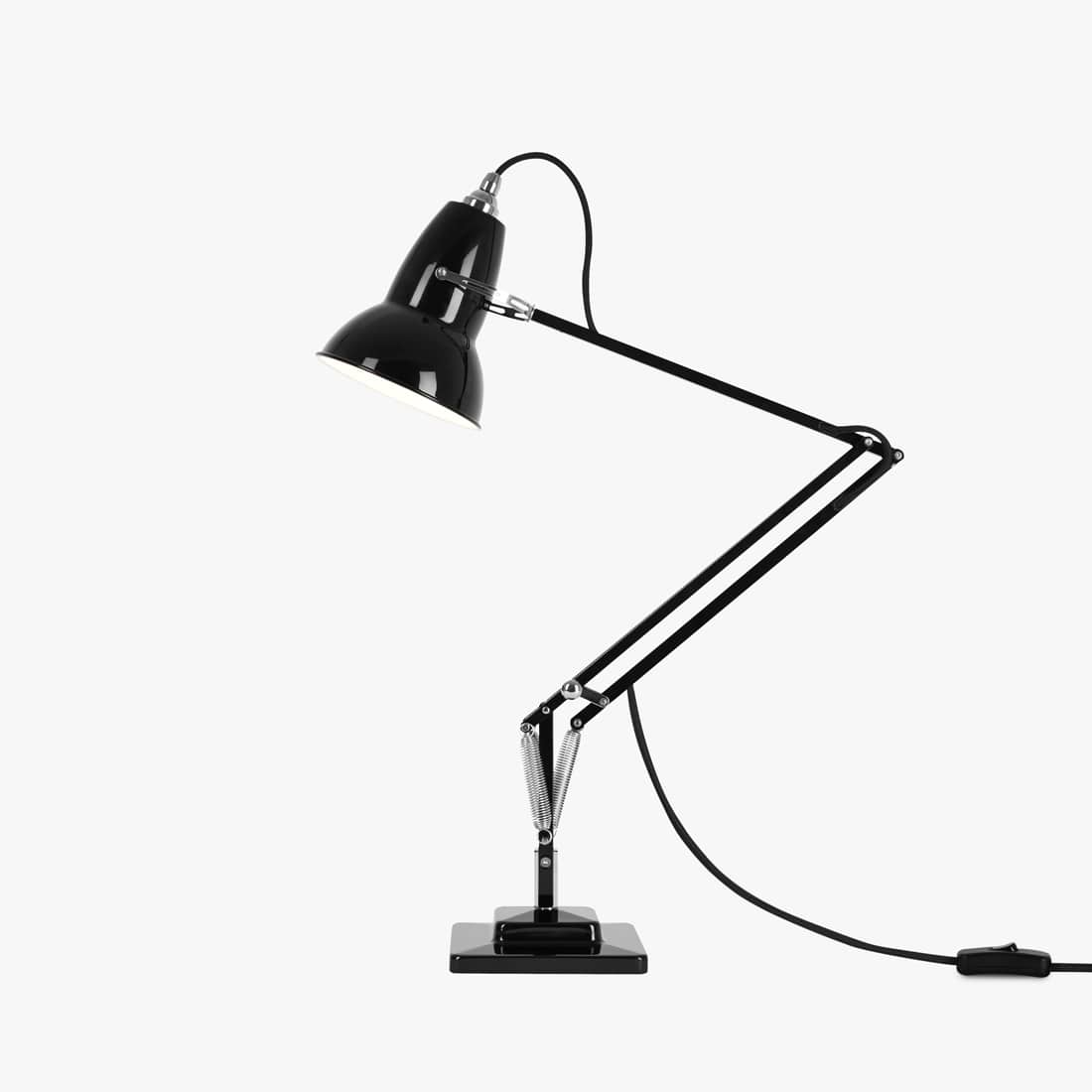
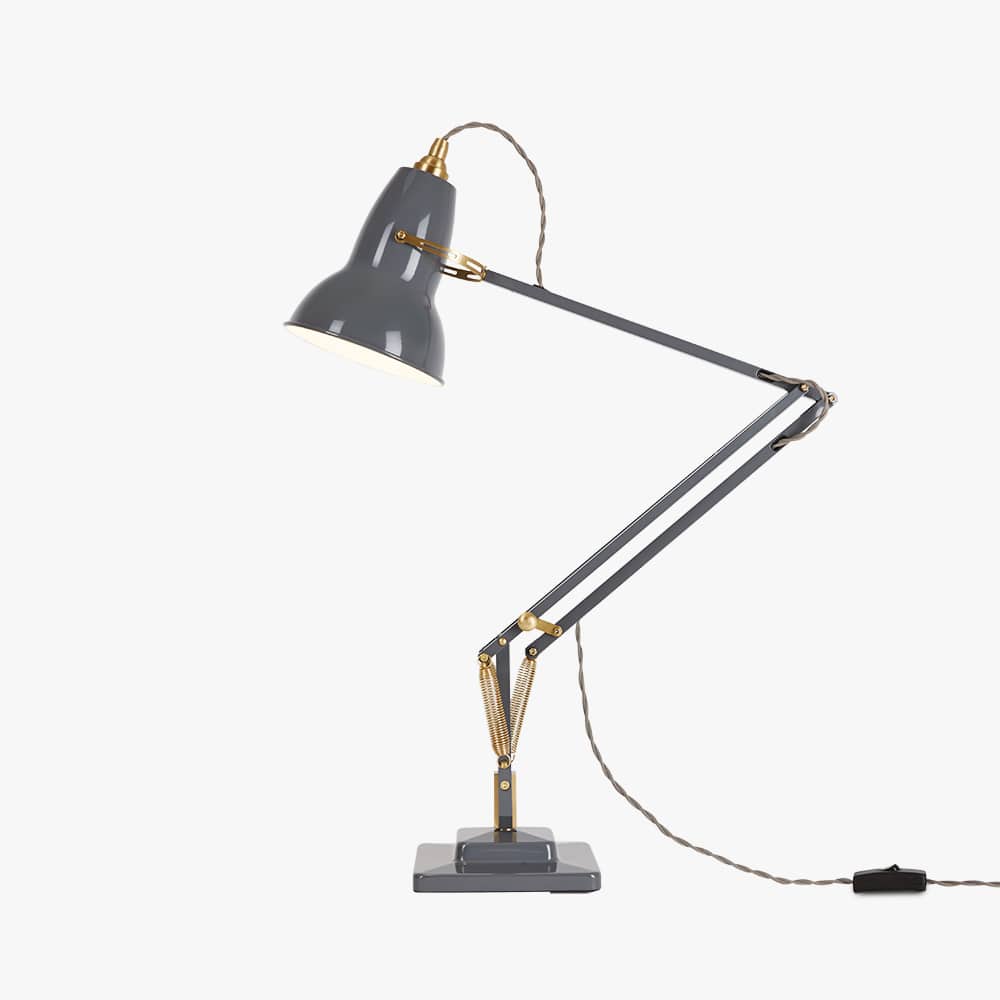
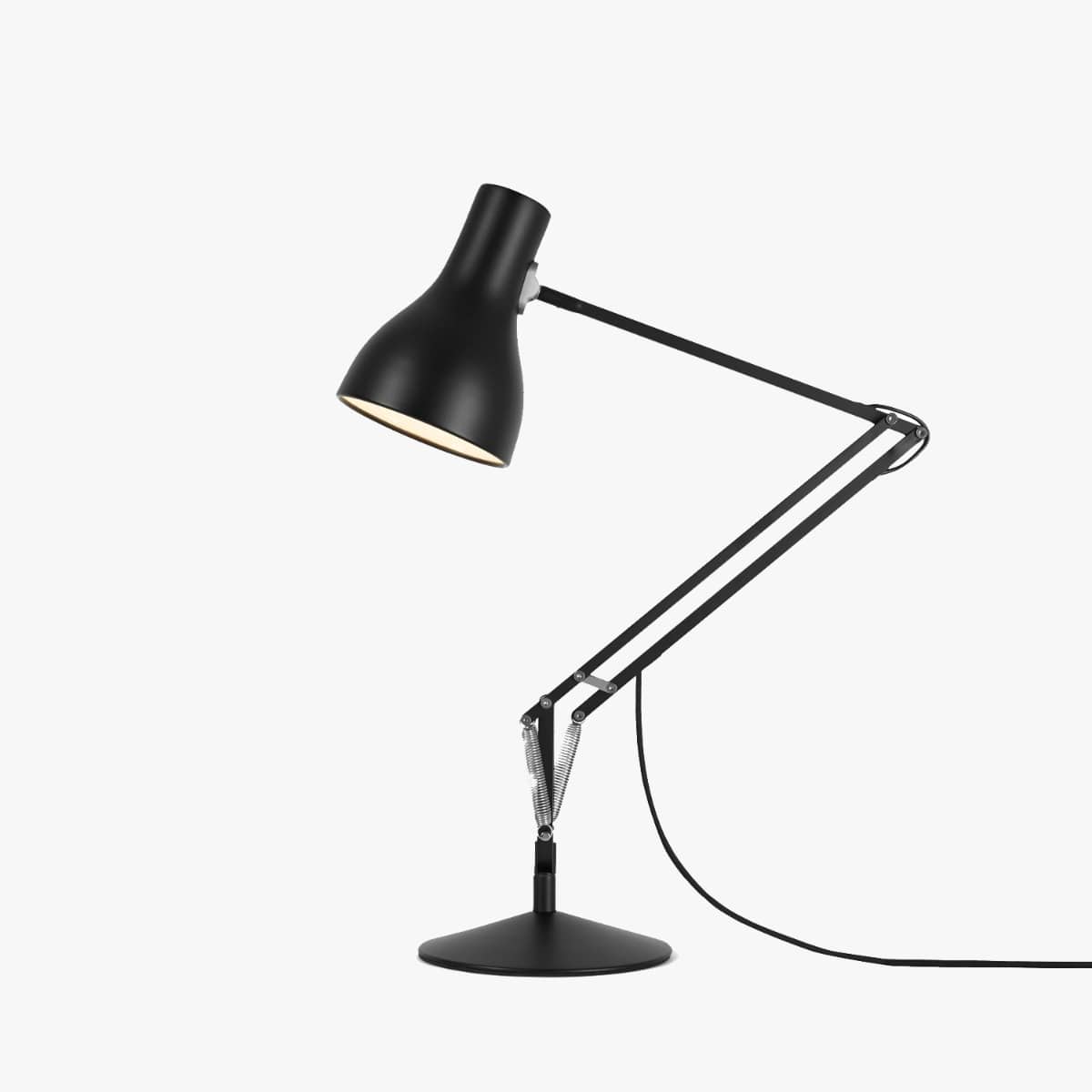
The most recognisable versions feature a jointed arm that allows the shade to be moved up, down, forwards and backwards. Springs or other balancing mechanisms help the lamp hold its position once adjusted.
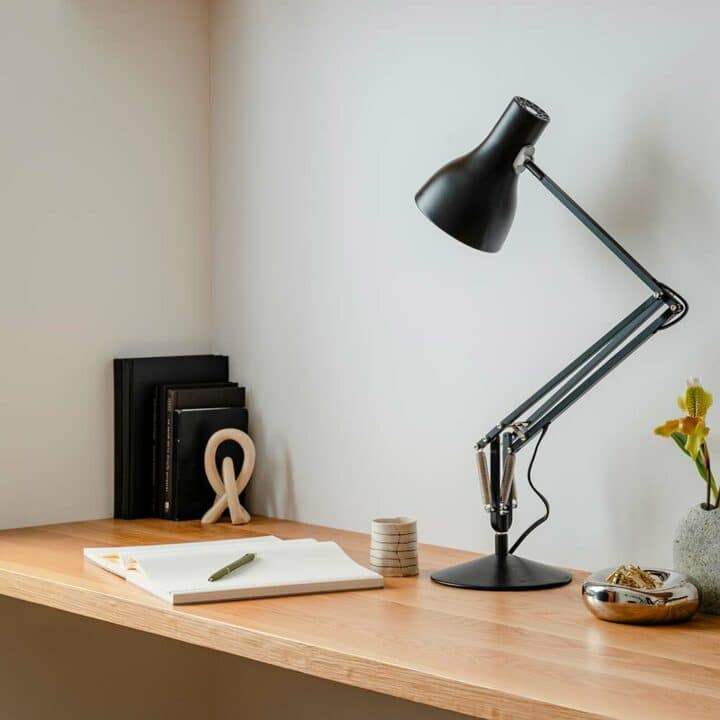
This combination of reach, flexibility and stability makes the design particularly well suited to a desk. An architect working across a large drawing might pull the light closer to examine a detail, then move it higher or further away to illuminate a broader area. The same principle works just as well when you’re sketching, making, reading, studying or answering emails.
That functionality is also what distinguishes an architect lamp from a more conventional desk lamp. While the terms overlap, not every desk lamp offers the same degree of articulation. An architect desk lamp is defined as much by how it moves as by where it sits.
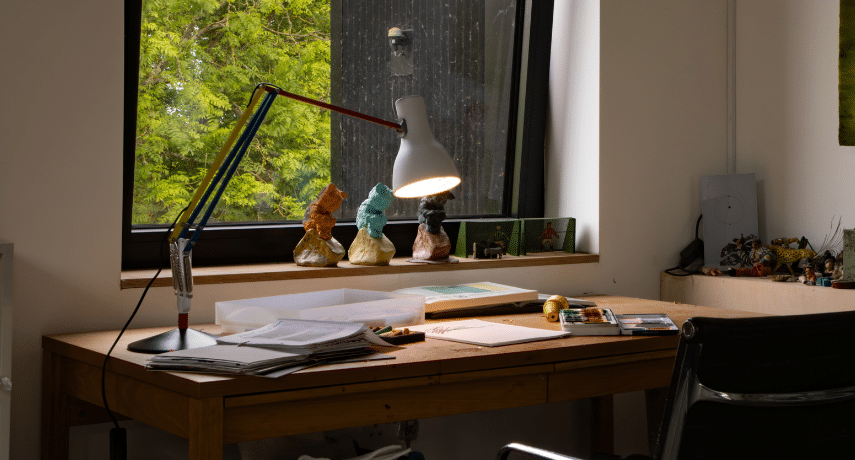
Why do architect lamps look the way they do?
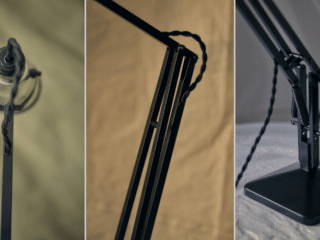
The familiar form of the architect lamp is a case of function shaping design. Exposed joints, articulated arms and visible springs aren’t simply decorative details. They’re part of the mechanism that allows the lamp to move while directing light exactly where it’s required.
It’s a particularly good example of industrial design becoming visually appealing because it works well. There’s little need to disguise the mechanics; they’re part of the character of the object. And few lamps demonstrate that better than Anglepoise.
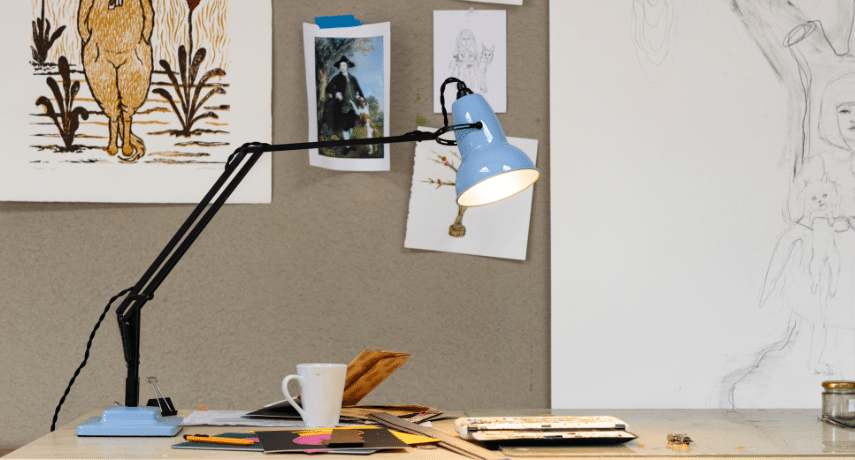
The Anglepoise connection
The story of Anglepoise began in the early 1930s with British automotive engineer George Carwardine.
Carwardine developed a pioneering four-spring mechanism based on the behaviour of human arm muscles. The resulting lamp could be moved freely and then remain in precisely the position required. In 1932, the first Anglepoise lamp was born.
A few years later came the Original 1227. Its combination of flexibility, stability and unmistakable form would help establish an enduring archetype of British design.
It’s a relatively small piece of design history, but an important one. The articulated task lamp became something much more than specialist equipment for a drawing board. It became an everyday object, useful enough for the workplace and appealing enough for the home.
More than 90 years later, that principle of creating the right light, in the right place, remains at the heart of Anglepoise.
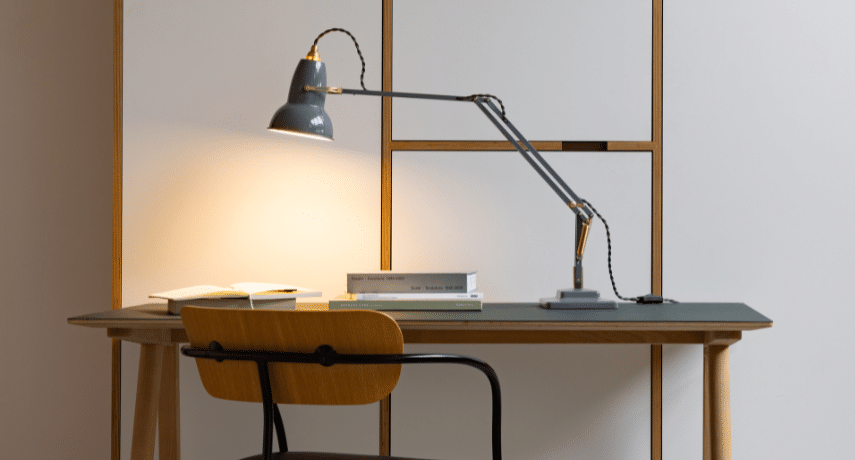
Are architect lamps still useful today?
Very much so. The tools on our desks may have changed, but our need for good task lighting hasn’t. Whether you’re working with tracing paper or a laptop, a directional light source can help create a more considered workspace.
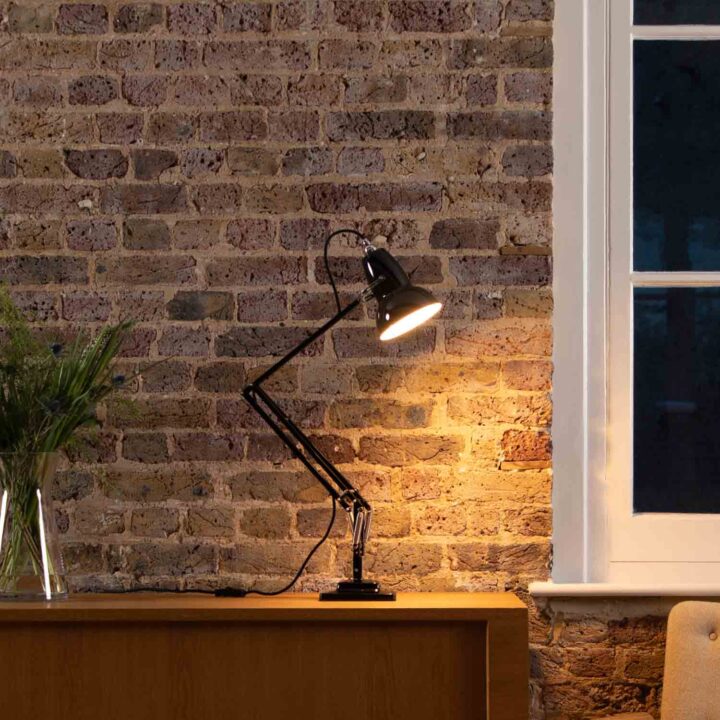
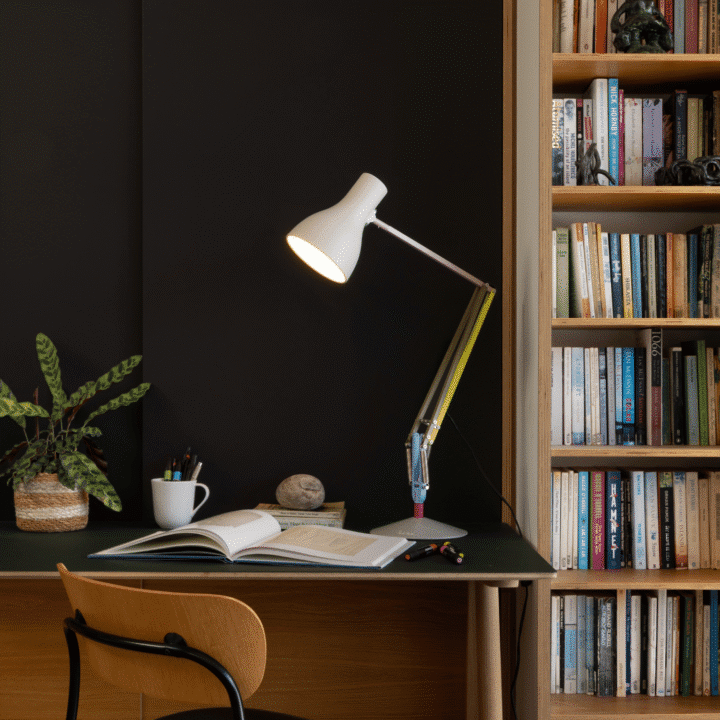
Adjustability is particularly useful because the demands on a desk rarely stay the same throughout the day. You might want focused illumination for detailed work, a different angle for reading and a softer pool of light later in the evening. An adjustable desk lamp lets the light adapt accordingly.
There’s also something refreshingly physical about an architect lamp. In an increasingly digital workspace, its purpose is immediately understandable: take hold of it, move it, and put the light where you want it.
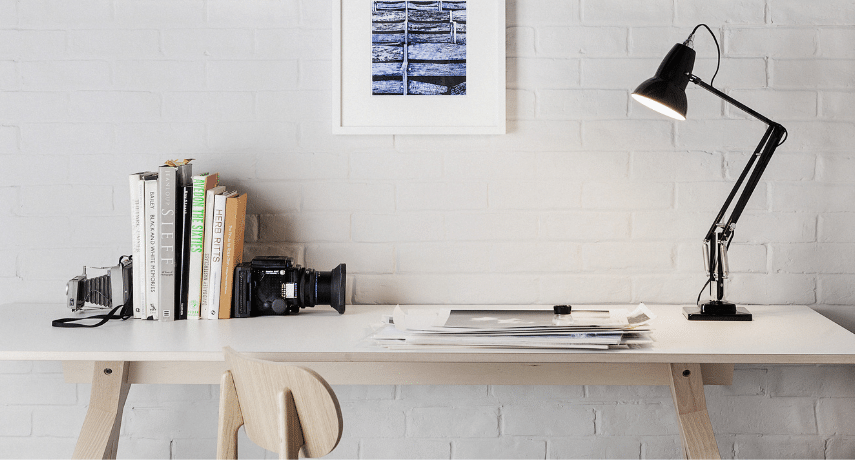
An enduring design
Perhaps that’s why the architect lamp has lasted. The best examples don’t depend on a particular decorating trend or way of working. Their form comes from what they need to do, giving them a quality that can feel equally at home on an architect’s drawing board, a designer’s studio desk, a bedside table or a kitchen workspace.
At Anglepoise, we’ve been exploring that relationship between movement, light and form since George Carwardine’s original invention.
Today, our desk lamps continue that idea in different forms: lighting designed to be useful, adjustable and made to live with for years to come.
Because ultimately, the appeal of the architect lamp is remarkably simple. It puts good light exactly where you need it, and does so beautifully.