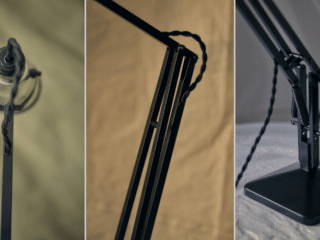





For many of us, a large part of the working day is spent at a desk. Whether that desk is in a dedicated home office, a corner of the living room, a studio or a shared workspace, the environment around us can make a difference to how comfortable we feel throughout the day.
World Mental Health Day is a useful reminder to pay attention to those everyday surroundings. Of course, a well-designed workspace isn’t a solution to poor mental health, and neither is a good lamp. But small, considered changes can make somewhere more comfortable to work, help reduce unnecessary distractions and encourage better habits during the day.
From making better use of natural light to knowing when to step away from your screen, here are a few things worth considering.

Start with the light around you
Light has a significant influence on how a workspace looks and feels, so start with what is already available. If you can, position your desk somewhere that benefits from natural daylight without placing your screen directly in front of a bright window or somewhere reflections and glare become distracting.
As daylight changes throughout the day, particularly during autumn and winter, artificial lighting becomes more important. Rather than relying entirely on a ceiling light to illuminate the whole room, introduce light at different levels and for different purposes.
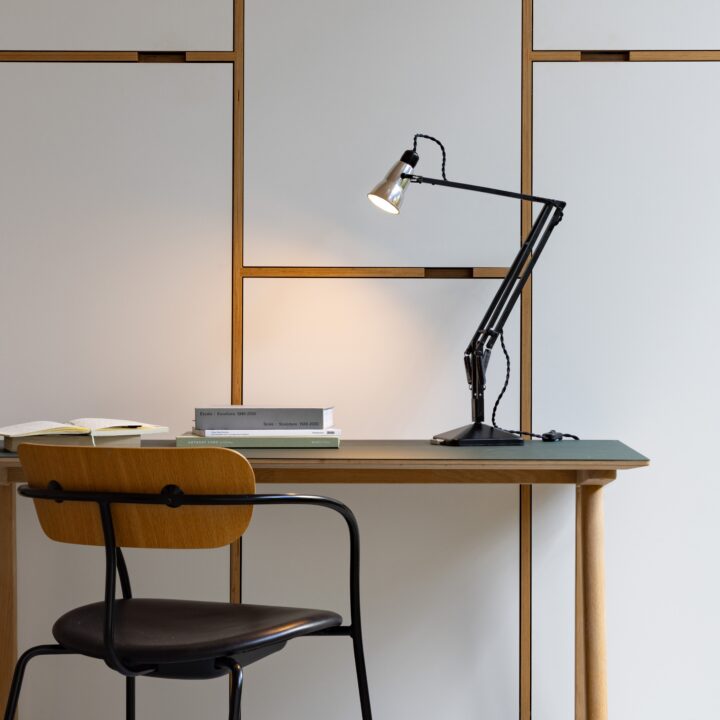
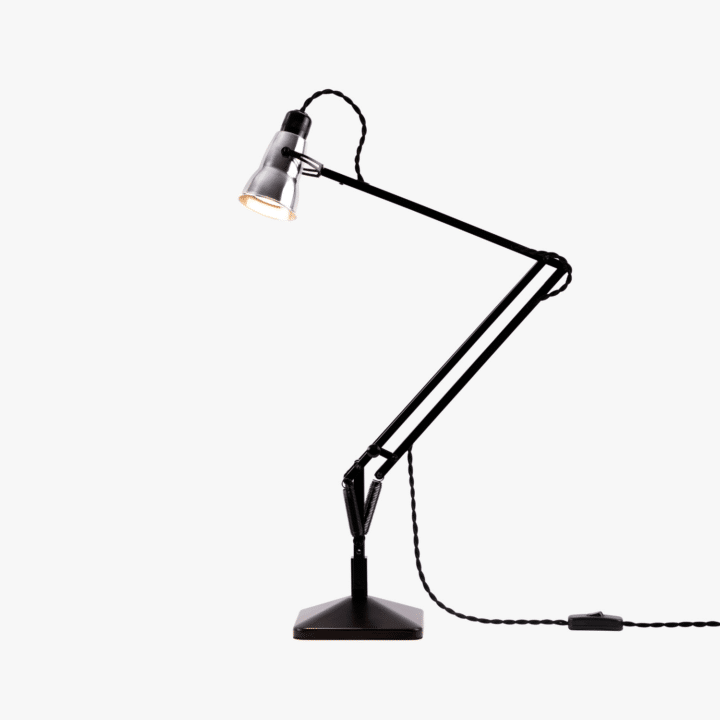
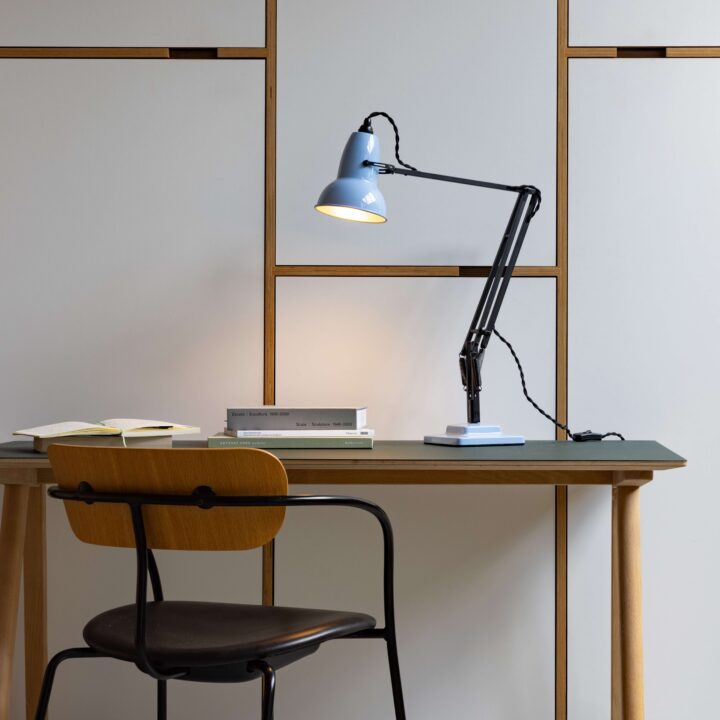
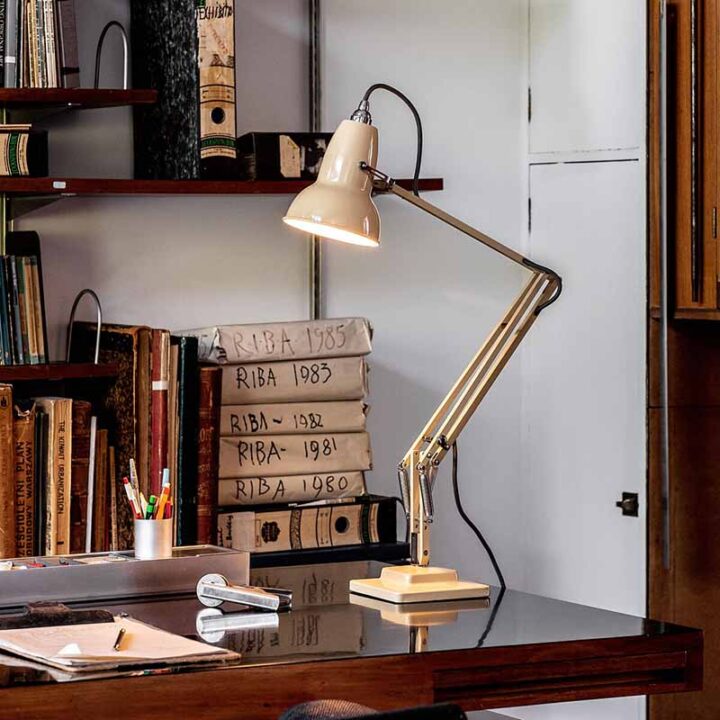
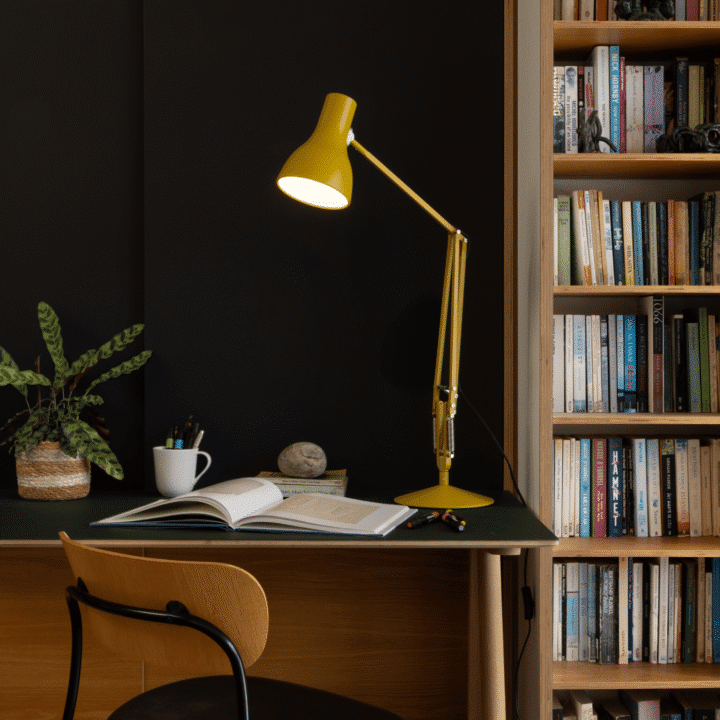
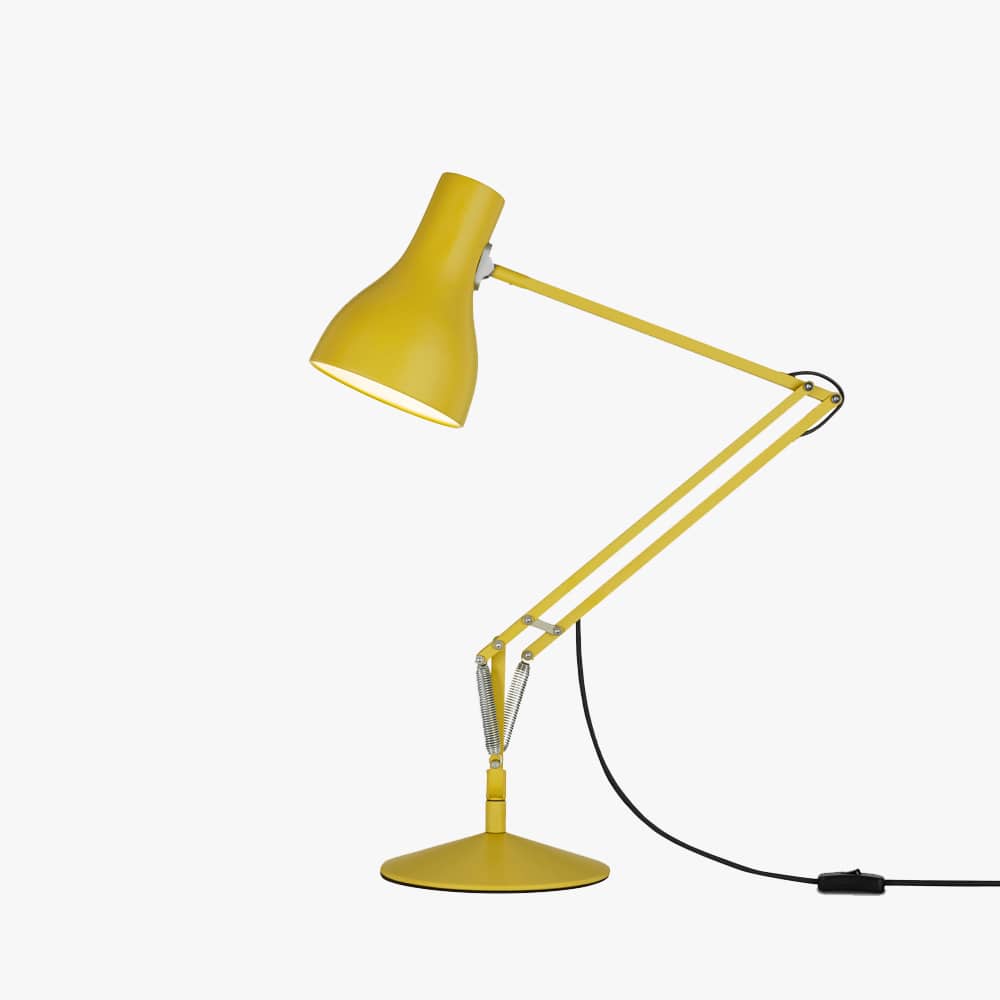
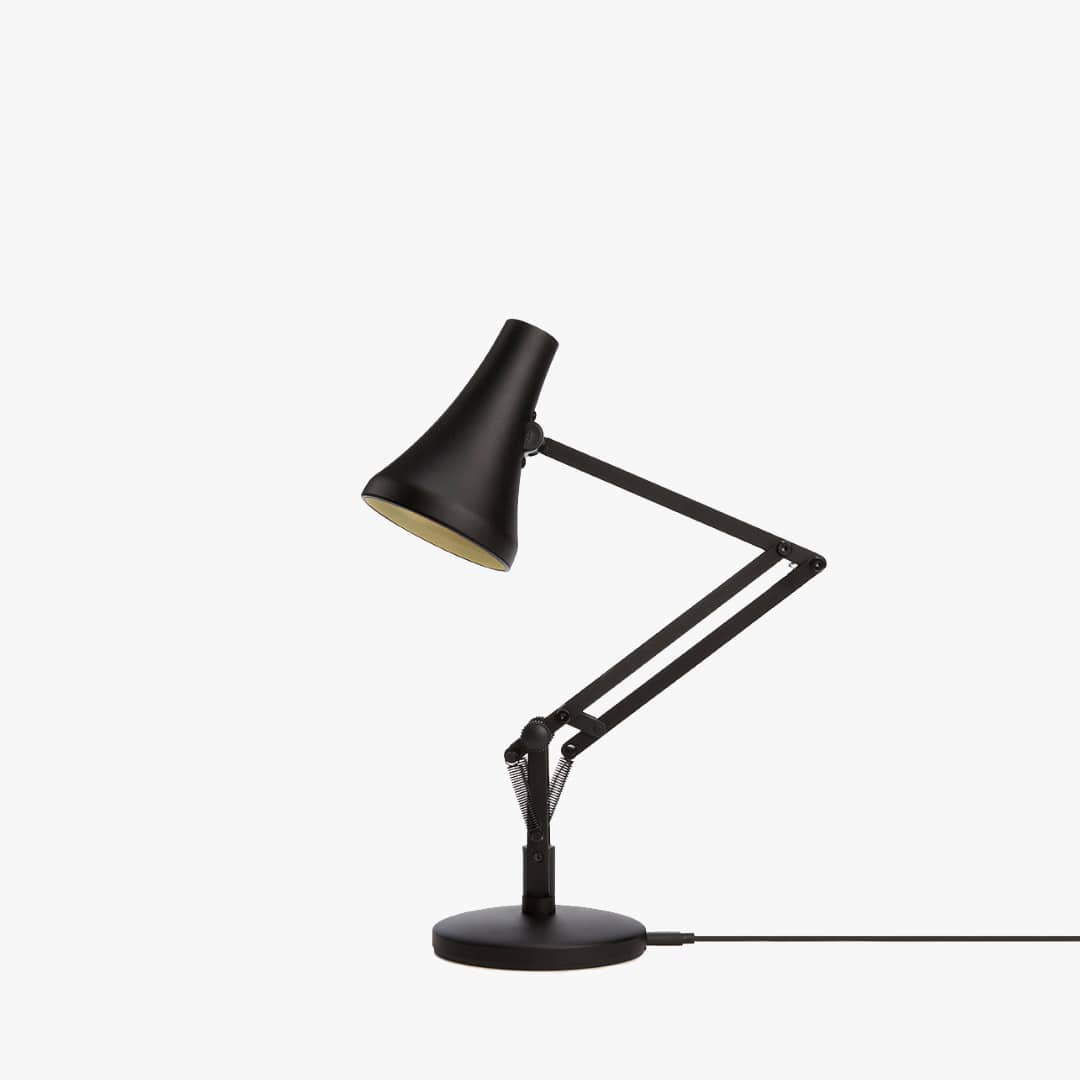
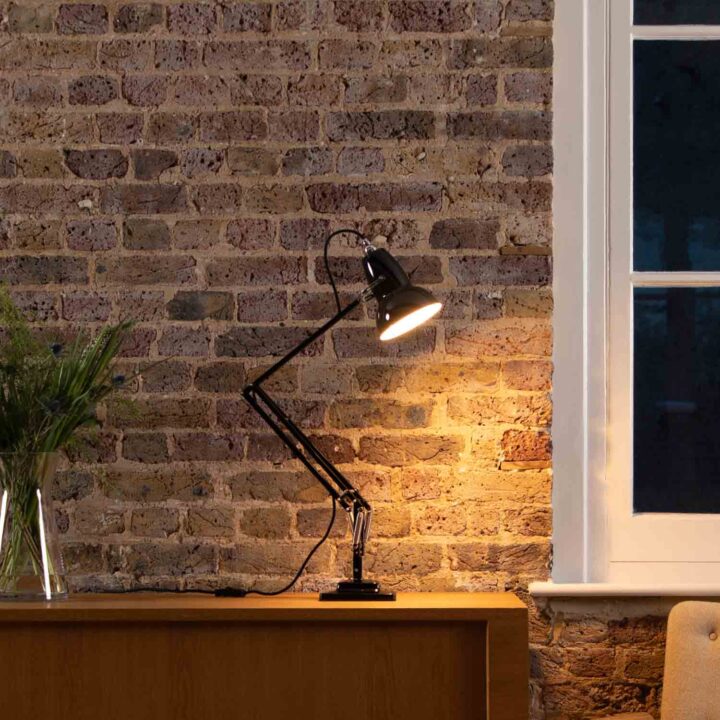
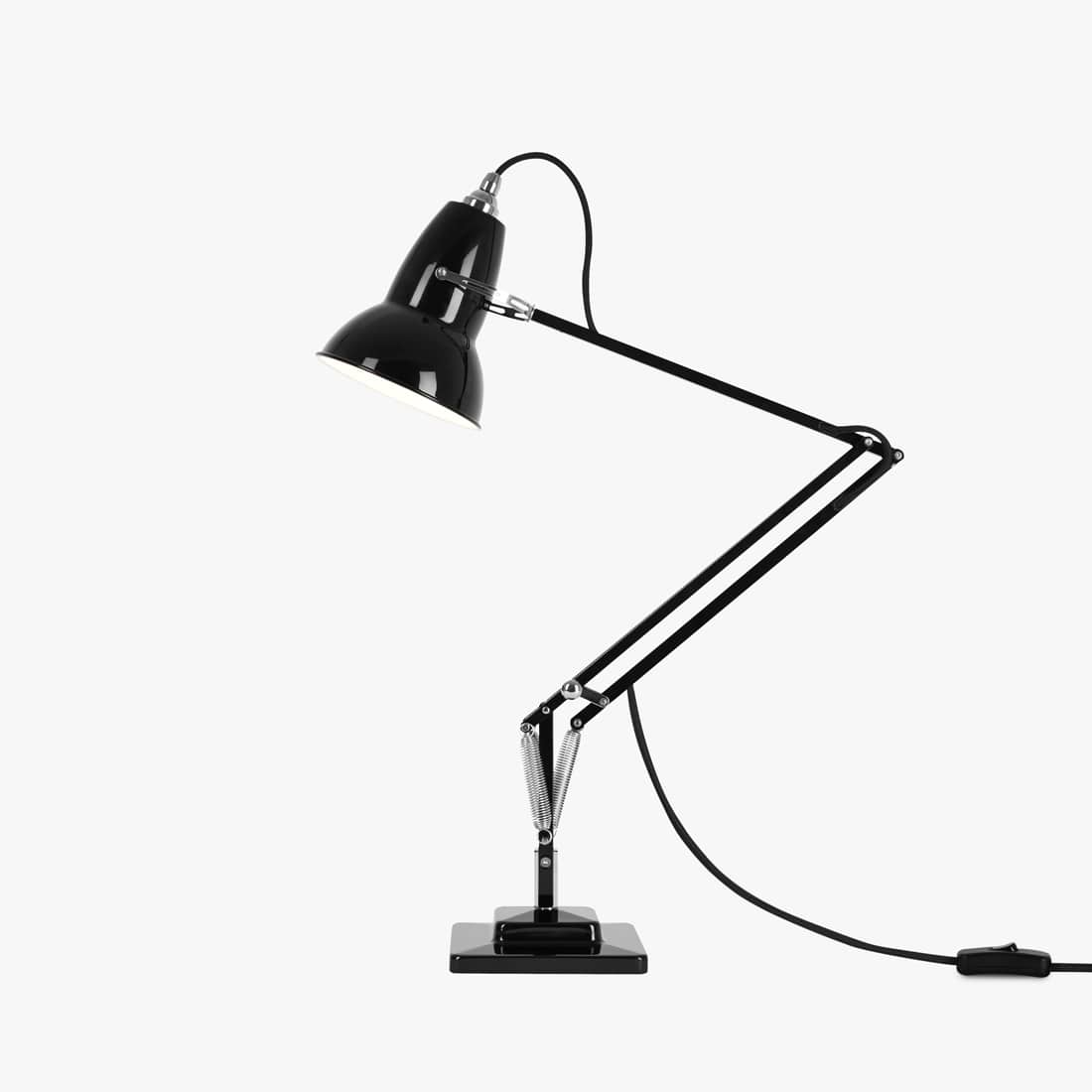
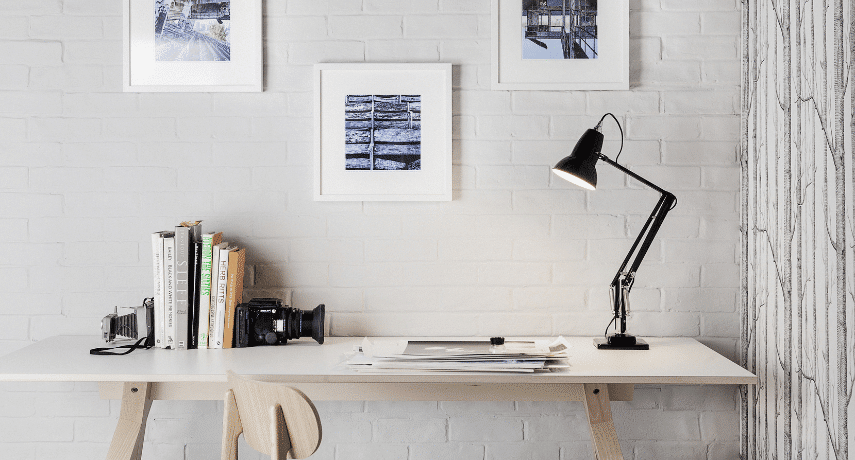
A good desk lamp gives you focused light where you’re actually working, whether you’re reading, drawing, writing or concentrating on something particularly detailed. An adjustable lamp is especially useful because you can reposition the light as your work changes, directing it towards the task rather than flooding the entire room unnecessarily.
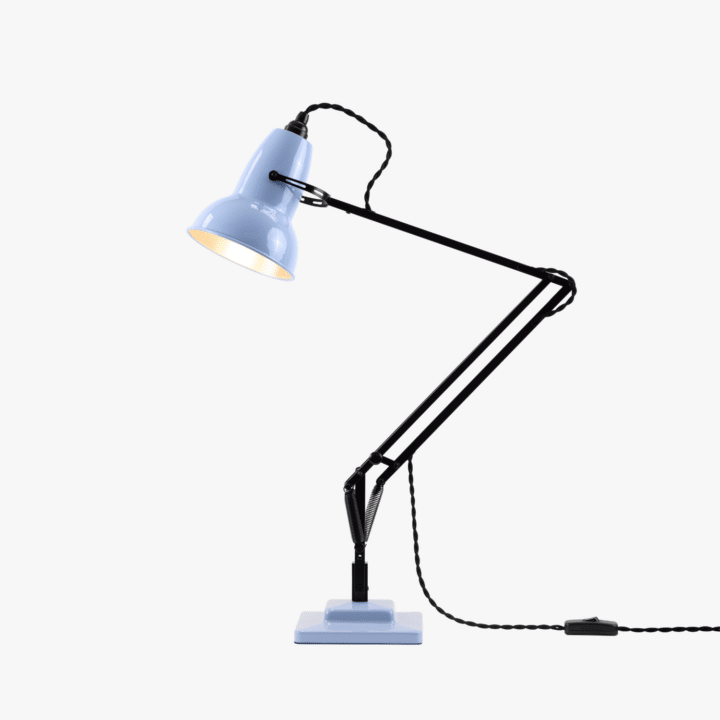
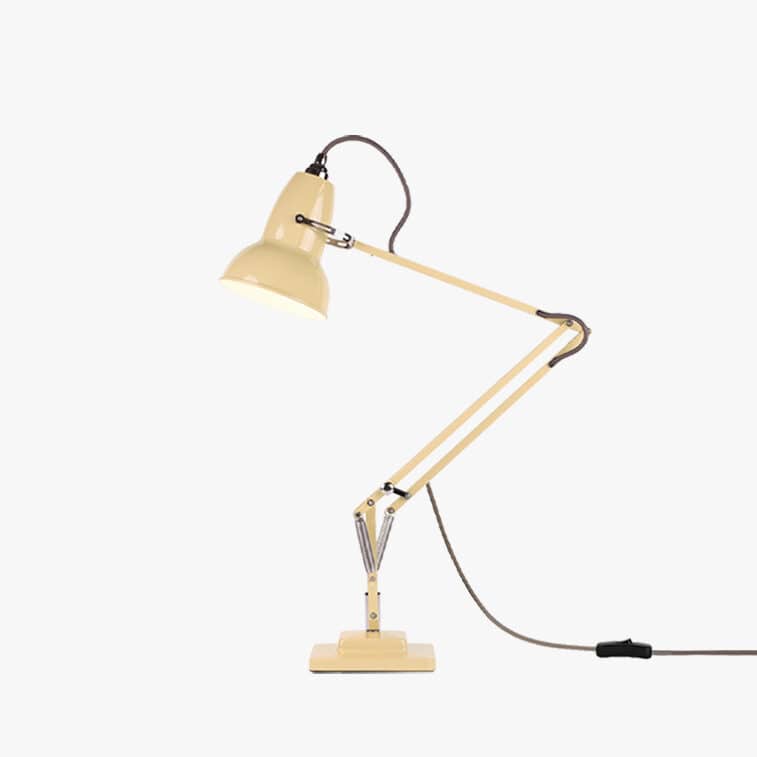
Anglepoise lamps were designed around exactly this principle: putting light where it’s needed and allowing it to be easily adjusted as you work.
Make your workspace somewhere you enjoy spending time
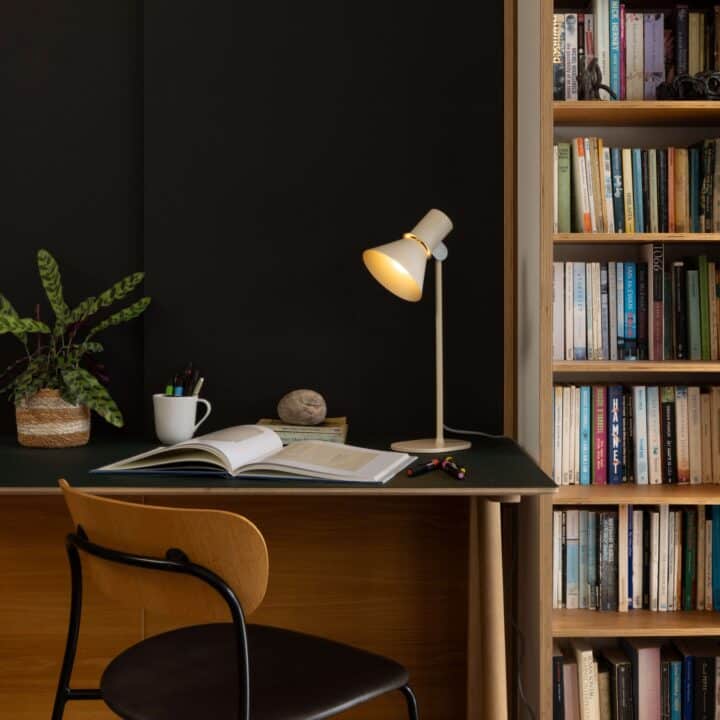
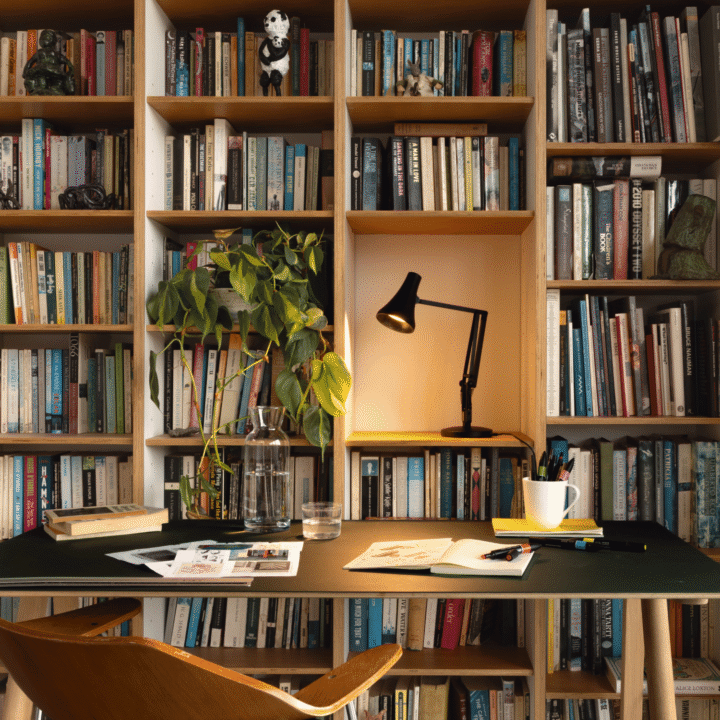
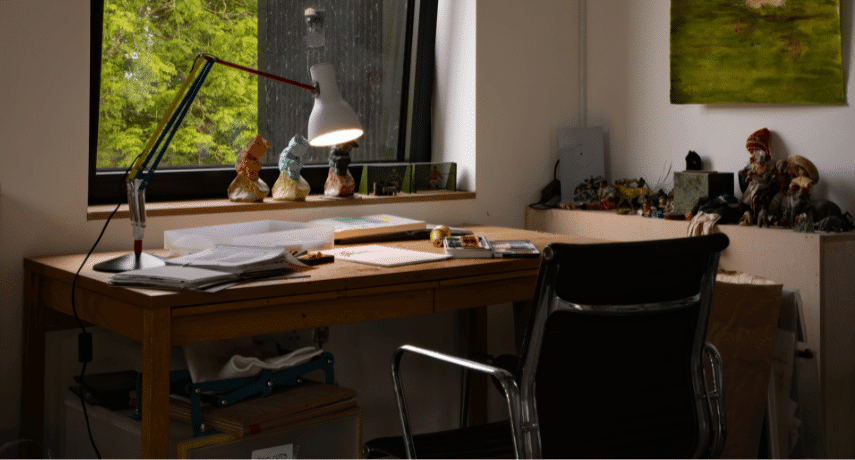
A productive workspace doesn’t need to look like a perfectly styled home office. In fact, the things that make a desk feel comfortable are often personal: photographs, books, artwork, plants, objects you’ve collected or simply a mug you particularly like.
Think about what you enjoy having around you and what makes the space feel like yours. If you’re working from home, this can be particularly important when your workspace occupies part of a bedroom, kitchen or living room rather than a dedicated office.
There’s no need to redesign everything at once. Moving a desk towards a window, adding a lamp, putting a favourite print on the wall or bringing something green into the room can change the character of a workspace without turning it into a major interiors project.
Keep clutter manageable, not perfect
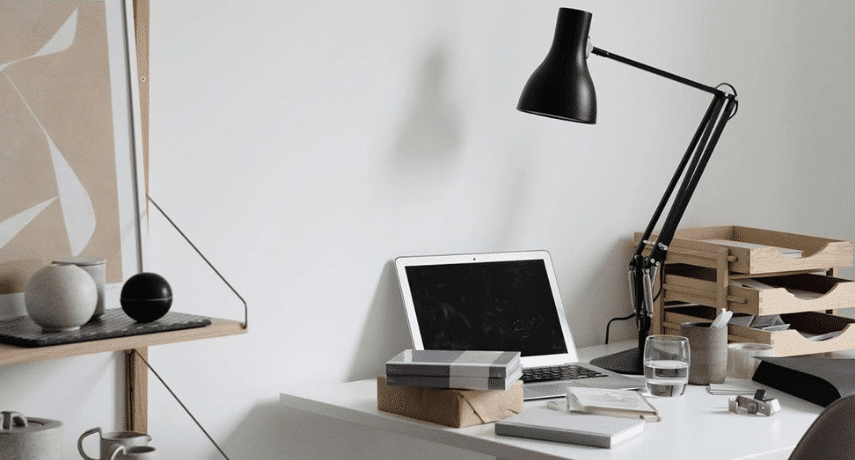
There are desks that look pristine in photographs, and then there are desks where work actually happens. Papers accumulate, notebooks stay open and half-finished cups of tea appear. That’s normal.
If clutter does start to become distracting, a few simple habits can help. Keep the things you use most frequently within easy reach and give everything else somewhere sensible to live. A drawer, tray or notebook holder can prevent smaller items gradually taking over the desk.
It can also be useful to spend a couple of minutes resetting your workspace at the end of the day. It doesn’t need to be spotless. Clearing away what you no longer need and leaving tomorrow’s essentials ready can simply make returning to your desk the following morning a little easier.
Give yourself reasons to look away from the screen
A comfortable workspace isn’t only about what happens while you’re sitting at it. Taking regular breaks from your screen and changing your focus during the day matters too.
Getting up to make a drink, stretching your legs, looking out of the window or going outside for a few minutes all provide a natural interruption to long periods spent staring at a screen. Where possible, it can also help to take lunch away from your desk rather than letting work to spill over into the break.
Your workspace should support what you’re doing, but it shouldn’t encourage you to stay there indefinitely. Sometimes the most useful thing you can do with your desk is leave it for a while.
Create some separation between work and downtime
Working from home can make the boundary between work and the rest of the day surprisingly difficult to spot. When your commute is a few steps from the sofa to the desk, it’s easy for the working day to stretch beyond its intended limits.
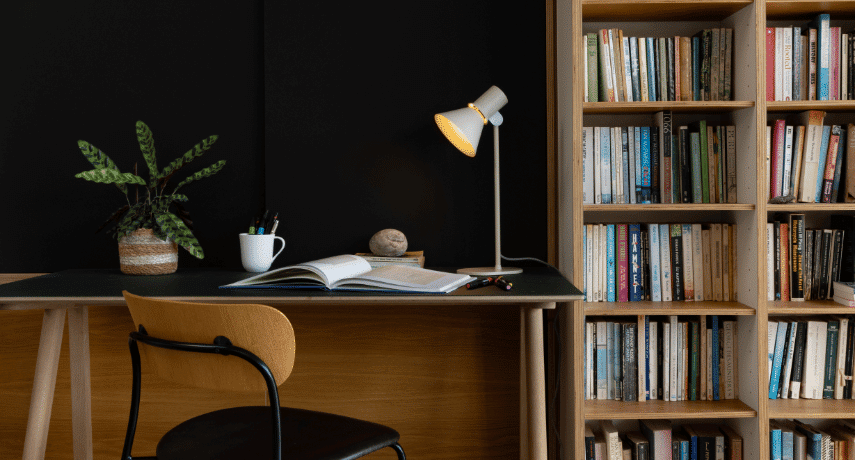
Small routines can help create a clearer distinction. Close your laptop, put paperwork away and tidy the things you’ve been using once you’ve finished. If your desk sits in a shared living space, changing the lighting can also help the room move from one purpose to another.
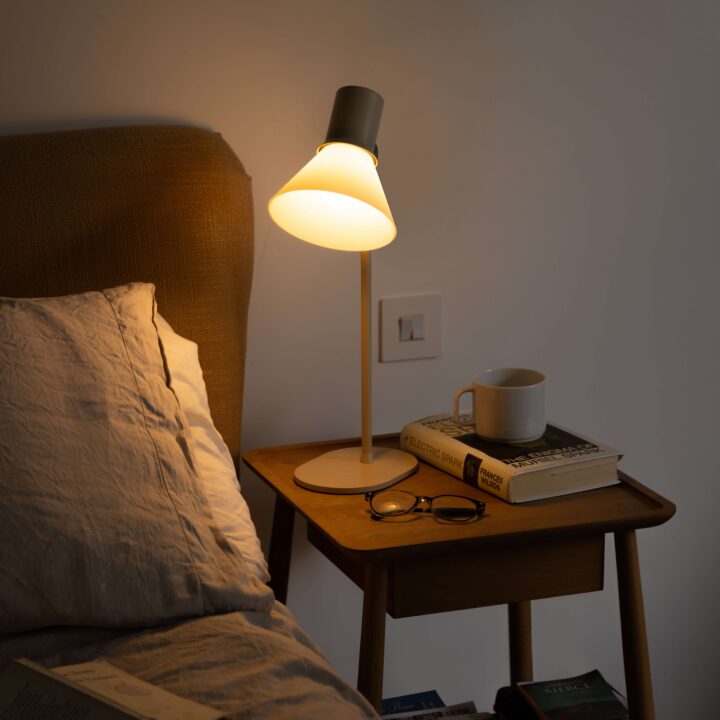
During the day, you might use brighter, directional task lighting at your desk. In the evening, switching that off and relying on softer pools of light around the room can create a noticeably different atmosphere. It’s a simple change, but one that can help your home feel like home again once work is finished.
Think about your workspace as the days get darker
World Mental Health Day arrives in October, just as the days are becoming noticeably shorter. Soon, many of us will be starting or finishing work when there is very little natural daylight available.
It’s a good time to take stock of the lighting around your desk. Look at where shadows fall, whether you’re straining to see paperwork and whether reflections from lamps or windows are making your screen uncomfortable to use.
Layering your lighting can be useful here. A focused desk lamp can illuminate the task in front of you, while other lights around the room prevent the desk from becoming one very bright spot surrounded by darkness. Together, they can make a workspace feel warmer and more comfortable through the darker part of the year.
Build a workspace that works for you
There isn’t a formula for creating the perfect workspace. Some people concentrate best at an almost empty desk, while others feel more at home surrounded by books, sketches, materials and half-finished ideas. What matters is noticing how your surroundings affect the way you work.
Consider whether your lighting is comfortable, whether your chair and desk suit the way you use them and whether there are distractions you could easily remove. Just as importantly, think about whether your working habits give you enough opportunities to get up, change your focus and properly finish for the day.
A workspace can’t take care of your mental health for you, but it can be designed with your comfort in mind. Sometimes supporting your wellbeing at work begins with relatively ordinary things: enough light to see what you’re doing, a space that feels like your own and knowing when it’s time to switch the desk lamp off.