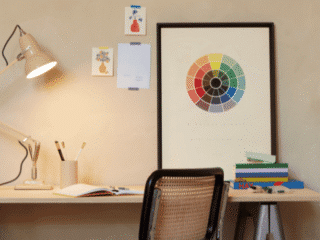





As the days get shorter and evenings draw in, lighting starts to play a very different role at home. It is no longer just about being able to see what you are doing. The right cosy lighting can change the atmosphere of a room, making it feel warmer, calmer and altogether more inviting.
Creating that feeling is less about filling a room with light and more about choosing where the light comes from. Instead of relying on a single overhead source, a combination of table lamps, wall lights, floor lamps and pendants can create pockets of light at different heights. Add warmer tones, thoughtful positioning and a little control over direction, and a room can feel completely different once the sun goes down.
Here is how to approach cosy lighting for autumn and winter, from understanding the different layers of light to choosing lamps that bring warmth exactly where you want it.

What makes lighting feel cosy?
Think about a room illuminated by one bright ceiling light and compare it with the same room lit by a table lamp beside the sofa, a wall light in the corner and a floor lamp angled towards a favourite chair. The amount of light might not be dramatically different, but the atmosphere certainly is.
Cosy lighting tends to come from multiple, lower-level sources rather than one dominant light overhead. This creates areas of brightness and shadow, giving the room more depth and making larger spaces feel more intimate.
Colour temperature matters too. Warm white light is particularly effective during autumn and winter because it brings a softer quality to a room than cooler, blue-toned light. Materials and surfaces also have a part to play. Light reflected from a warm-toned wall will feel different from light hitting a glossy white surface, while a diffused glass shade creates a different effect again.
The key is not necessarily to make a room darker. It is to make the light more considered.
Understanding the layers of lighting
Interior lighting is often described in three layers: ambient, task and accent lighting. You do not need three completely different sets of fittings to achieve them, but understanding what each layer does makes it much easier to create a balanced room.
Ambient lighting provides the general illumination. Pendants and ceiling lights often do much of this work, but ambient light can also come from wall and table lamps positioned around a room. For a cosier effect, rather than asking one ceiling light to illuminate everything, use several sources to spread light more gently.
Task lighting is more focused. It is the lamp beside the chair where you read, the desk lamp you work beneath or the light positioned next to the bed. Good task lighting means you can keep the rest of the room relatively soft while still having plenty of light where you actually need it.
Accent lighting adds depth and atmosphere. It might illuminate a shelf, artwork or a darker corner that would otherwise disappear in the evening. Often, the light source itself becomes part of the room’s character.
A good layered lighting scheme combines these functions rather than treating every light in the room in the same way.
Build cosy lighting from different points in the room
One of the simplest ways to make a room feel warmer is to spread the light around.
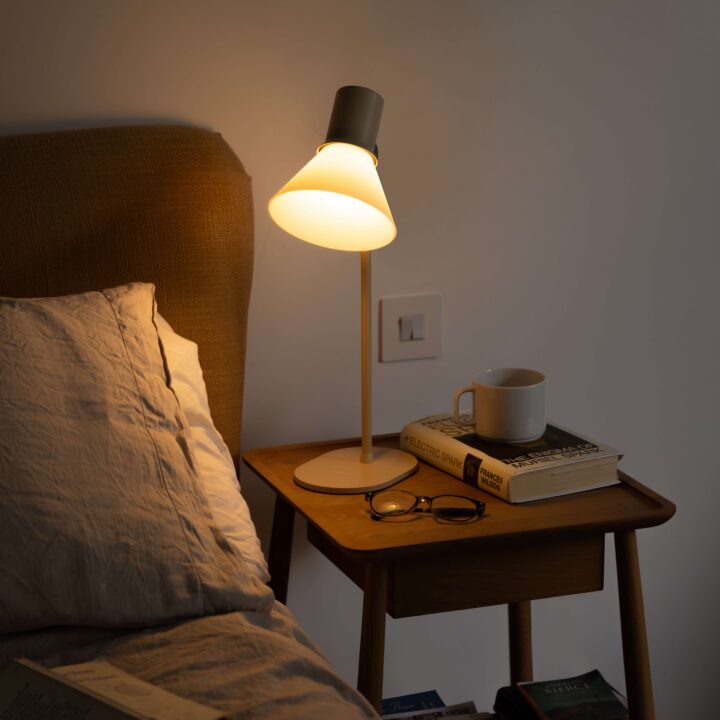
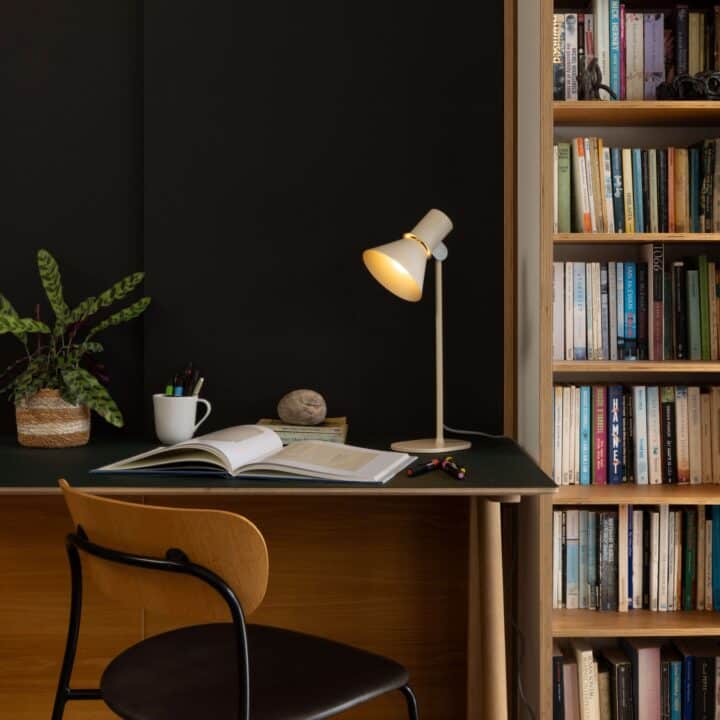
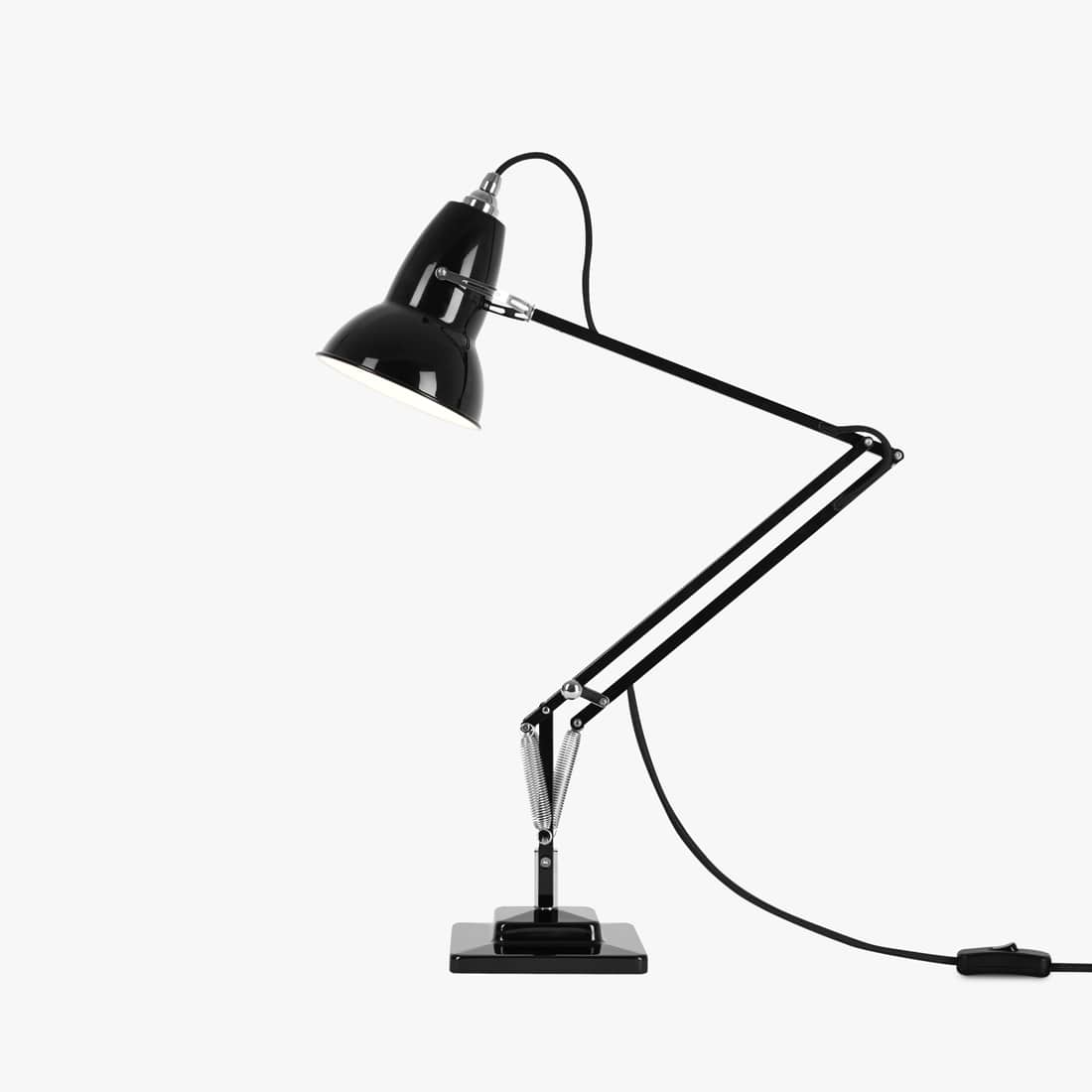
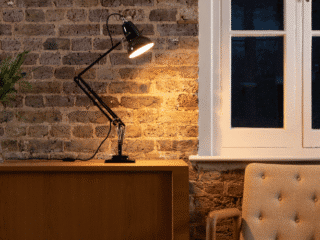
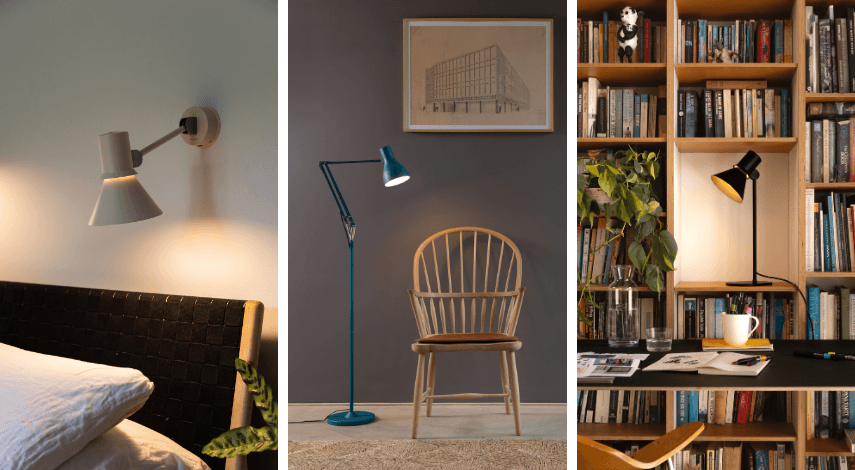
Table lamps are particularly useful because they bring the source of light down from the ceiling and closer to eye level. A lamp on a sideboard, bedside table or occasional table creates a local pool of illumination rather than washing the whole room evenly. The Type 80 T1 Table Lamp, designed by Sir Kenneth Grange, works particularly well here, combining a compact silhouette with an adjustable shade that lets you decide exactly where that pool of light falls.
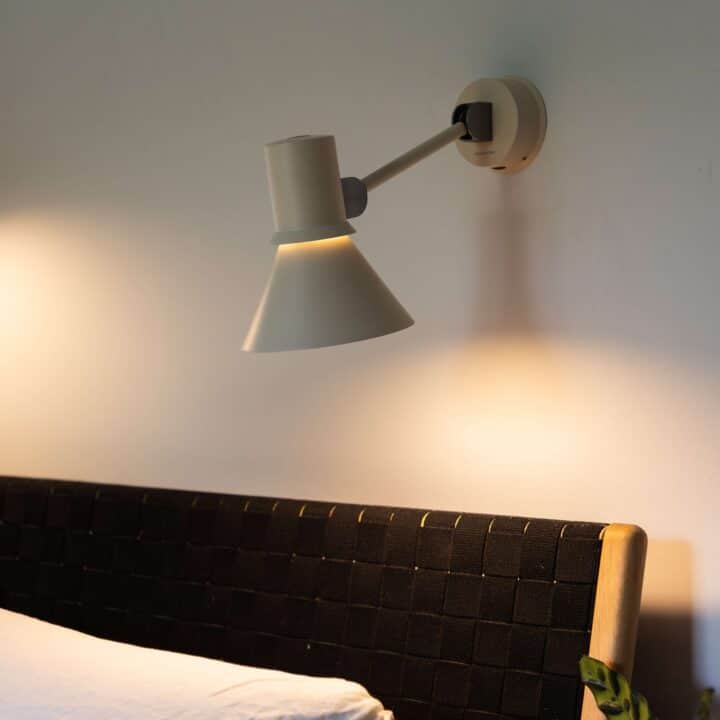
Wall lights can do something similar without taking up any surface space. Used beside a bed, above a reading area or along a wall, they introduce another point of light and can help soften the contrast between the brightest and darkest parts of a room.
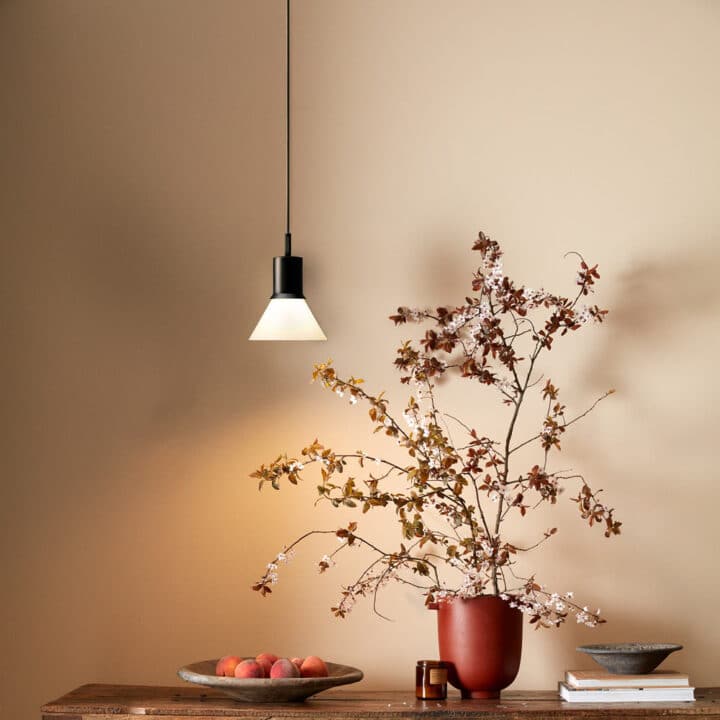
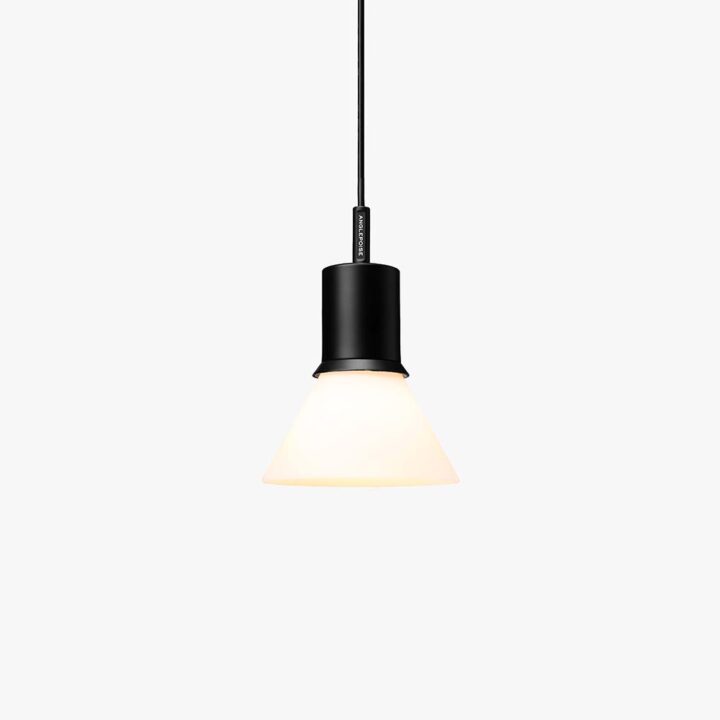
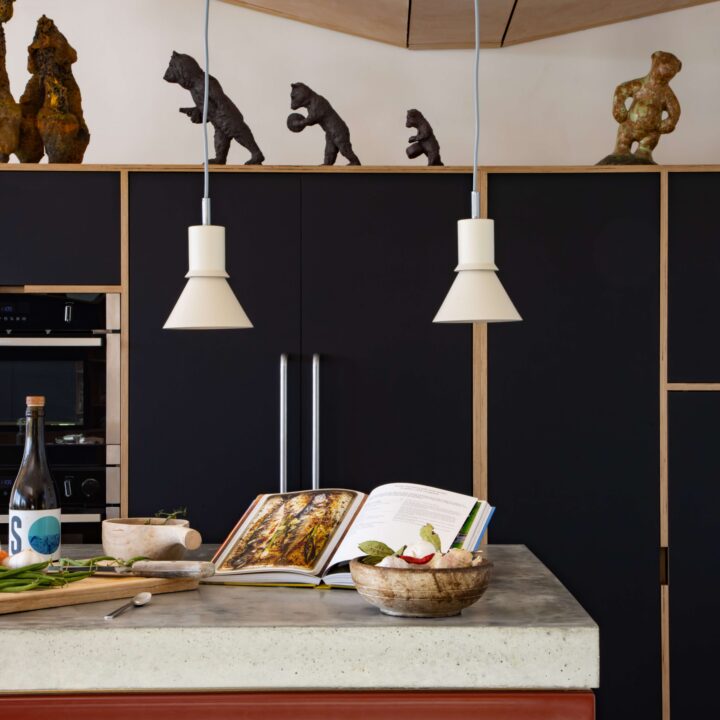
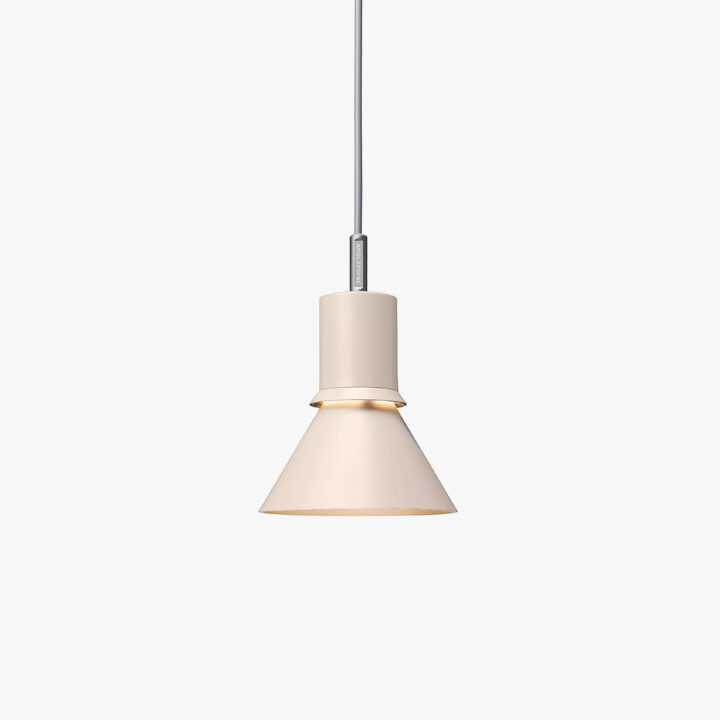
Pendants still have an important role, particularly above a dining table or kitchen island. Rather than thinking of a pendant simply as the light that illuminates an entire room, bringing the light closer to the surface below can make it feel more intimate.
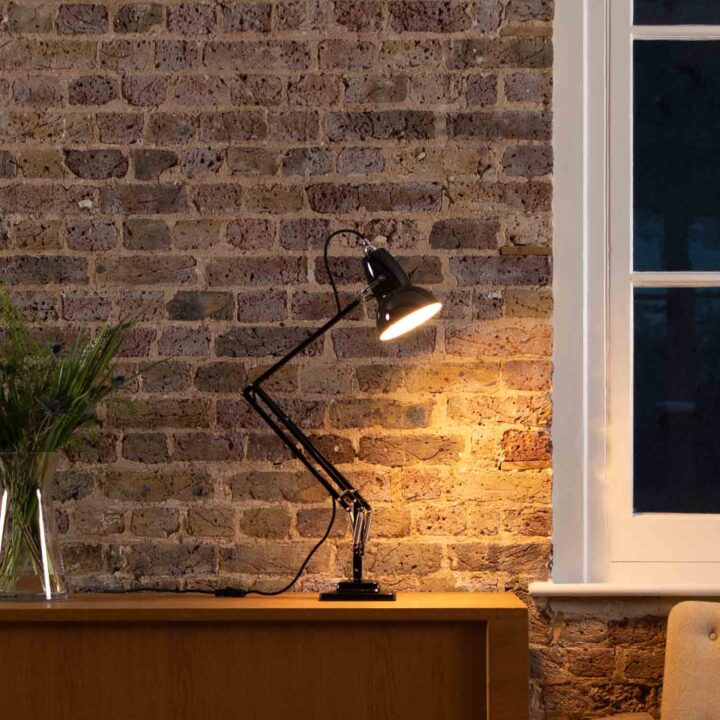
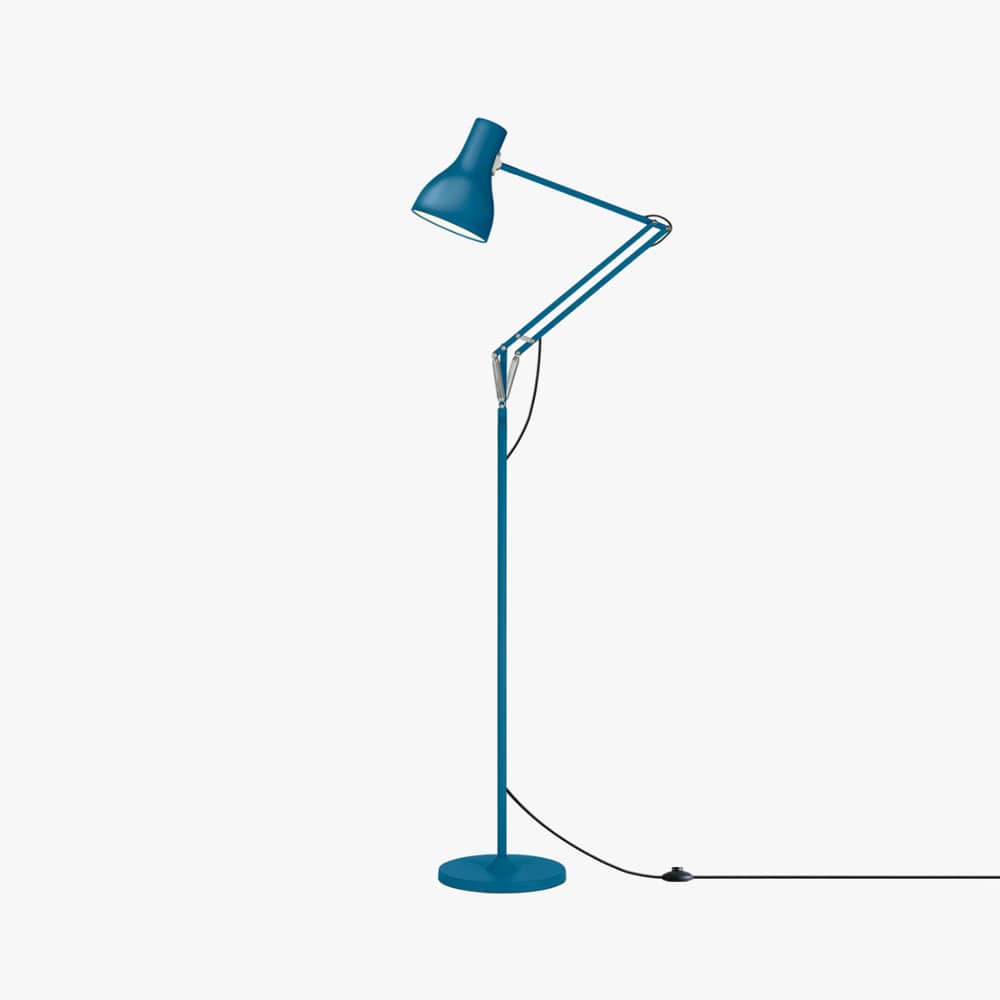
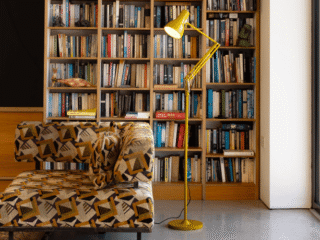
And then there are floor lamps. In autumn and winter, a floor lamp beside a sofa or armchair can completely change an unused corner. The Type 75 Floor Lamp and Original 1227 Floor Lamp both provide adjustable, directional light, making it possible to create a focused reading spot without having to brighten the rest of the room.
Type 80: directional light with a softer side
The Type 80 collection is a particularly good example of how functional lighting and atmosphere do not need to be opposites.
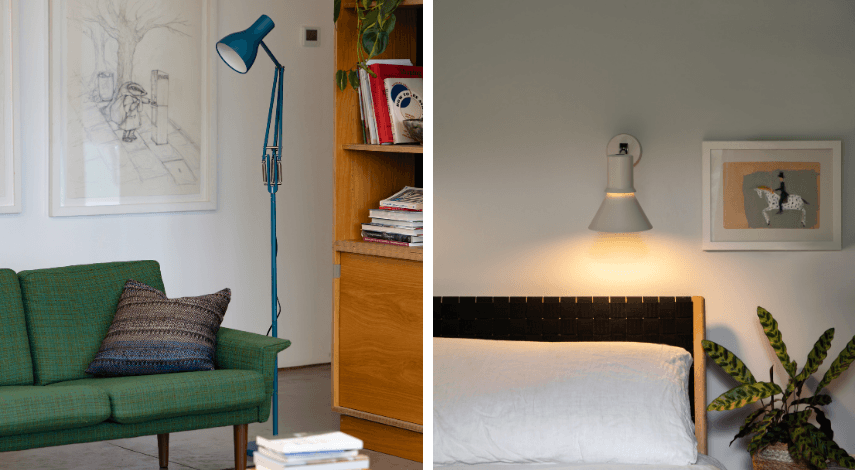
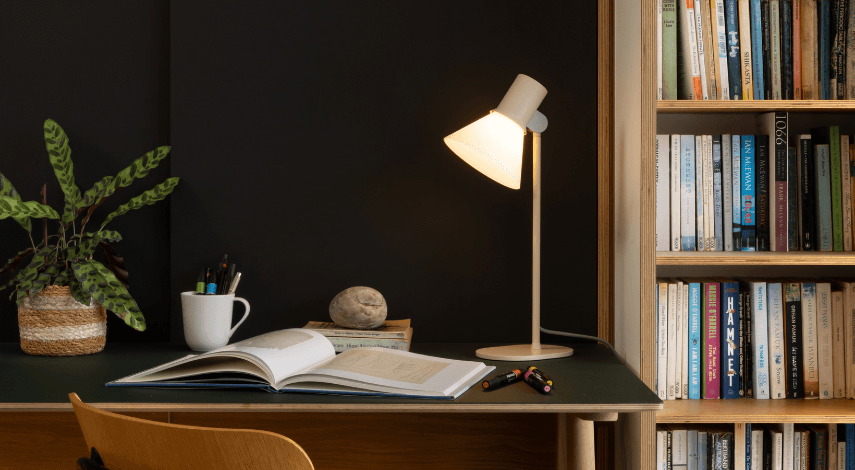
Designed by Sir Kenneth Grange, Type 80 has a distinctive conical shade and graphic, modernist form. Look a little closer, however, and there is a detail that becomes especially relevant when creating cosy lighting: the subtle halo light escape in the shade.
While the main beam provides useful directional light, the opening allows a softer glow to escape around the shade. It means the lamp can illuminate what you are doing while adding another, gentler point of light to the room.
It is a small detail, but an important one. Good ambient lighting is often created by exactly these kinds of secondary glows and reflections rather than simply increasing the brightness of the main bulb.
In Pale Putty, Type 80 takes on an especially warm, understated character. The soft neutral finish sits easily alongside natural timber, textiles and the richer colours that tend to come into their own during autumn and winter.
The softer glow of opal glass
For an even softer interpretation of Type 80, there is opal glass.
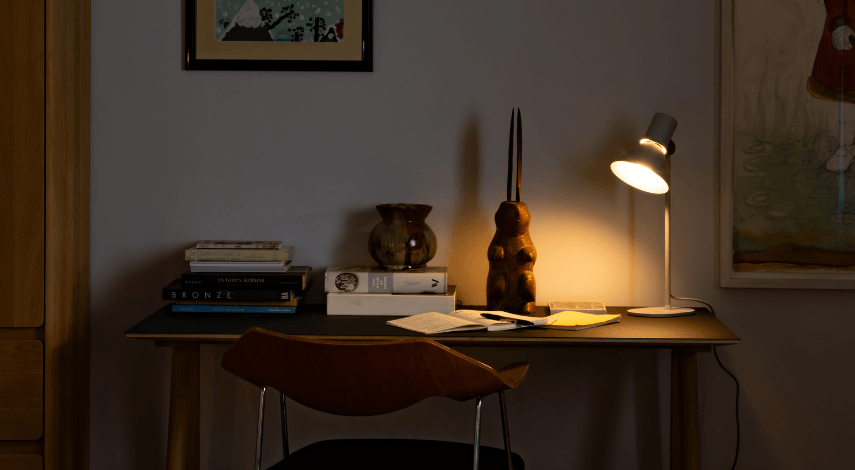
Unlike an opaque metal shade that directs the majority of its light through an opening, opal glass diffuses light through the shade itself. The result is a gentler glow that makes it particularly suited to places where atmosphere matters as much as focused illumination.
The Type 80 T1 Table Lamp with Opal Glass Shade in Pale Putty brings this softer quality to the clean lines of the Type 80 design. On a bedside table, side table or shelf, the glass becomes illuminated when the lamp is switched on, creating a warm point of light within the room.
It is a good example of why the shade can be just as important as the lamp itself when planning ambient lighting. Where you want precision, a directional metal shade makes sense. Where you want light to become part of the atmosphere, diffused glass offers something different.
Don’t forget the darker corners
When thinking about cosy living room lighting or cosy bedroom lighting, it is easy to concentrate on the obvious places: beside the sofa, next to the bed or above the dining table. But the darker parts of the room can be just as important.
A floor lamp can bring an overlooked corner into the wider lighting scheme. A small table lamp can add warmth to a sideboard or shelving unit. Wall lights can illuminate areas where there is no room for furniture at all.
You do not need to eliminate every shadow. In fact, some contrast between light and shade is exactly what gives cosy lighting its character. The aim is to make those contrasts feel deliberate.
The 90 Mini Mini Table Lamp is useful when you want to introduce a smaller source of light without taking over a surface, while the Original 1227 and Type 75 floor lamps can be positioned beside seating and adjusted to direct light where it is useful.
This is also where colour can come into the scheme. Autumn interiors do not have to mean endless beige. Buttermilk Yellow, Neptune Blue and the bolder colours found across the Anglepoise collections can bring another layer to a room, whether you want the lamp to blend quietly into its surroundings or stand out against them.
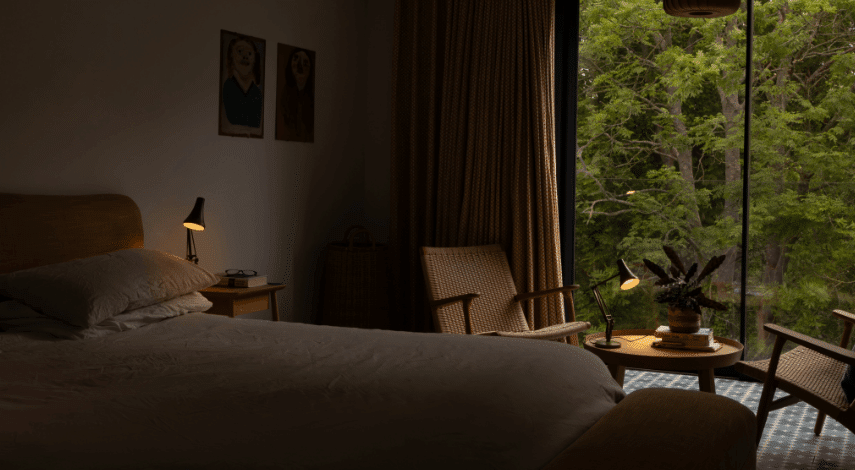
Think about what you actually do in the room
The best lighting schemes start with how a space is used, rather than where the electrical points happen to be.
If you read on the sofa every evening, put a good directional light there. If the dining table doubles as a place for homework, making and working, choose lighting that can handle both dinner and the tasks that happen before it. If you tend to wind down in bed with a book, make sure your bedside lighting is comfortable to use without illuminating the whole bedroom.
Anglepoise lamps have always been designed around the idea of putting light where it is needed. That adjustability becomes particularly useful when you are layering light because the same lamp can change with the room. Angle it down for focused reading or making, then reposition it when you want a softer pool of light later in the evening.
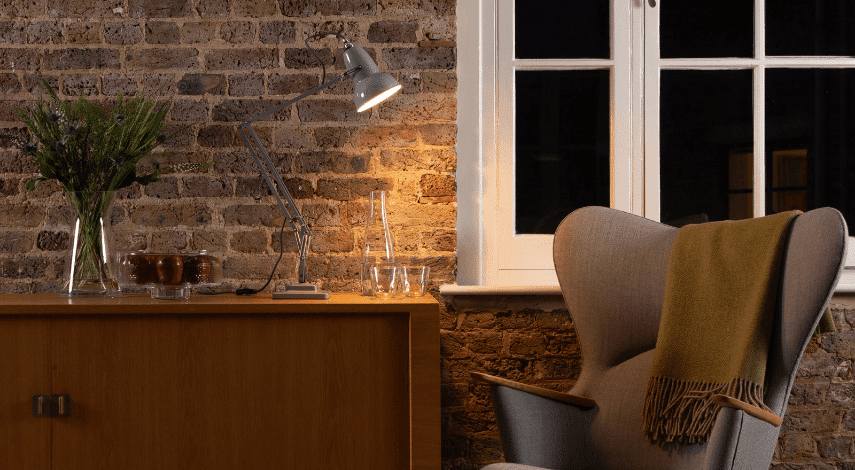
Creating a cosier home for darker evenings
There is no single formula for cosy lighting. Rooms are different, and so are the ways we use them. But as autumn turns to winter, reconsidering where your light comes from can have a surprisingly large effect.
Start by switching off the main light and looking at what is missing. Perhaps a dark corner needs a floor lamp, a side table needs a small pool of warm light, or a pendant could bring illumination closer to where people actually gather. Combine ambient and task lighting rather than asking one fitting to do everything, and pay attention to the warmth, direction and diffusion of each source.
Most importantly, give yourself control. A room used for working at four in the afternoon might become somewhere to read, eat or relax by eight. Lighting that can move and adapt makes that transition much easier.
Explore our Cosy Lighting collection and find a warmer way to light the darker months.