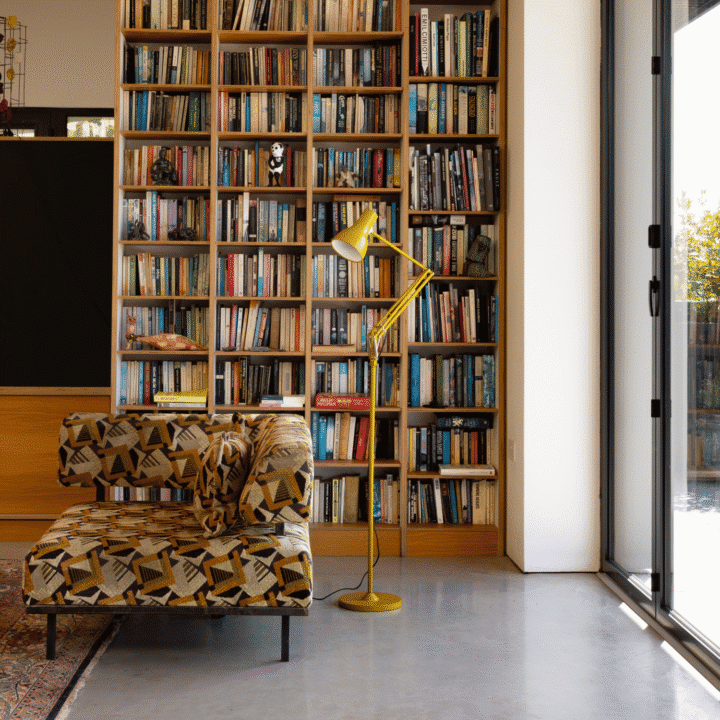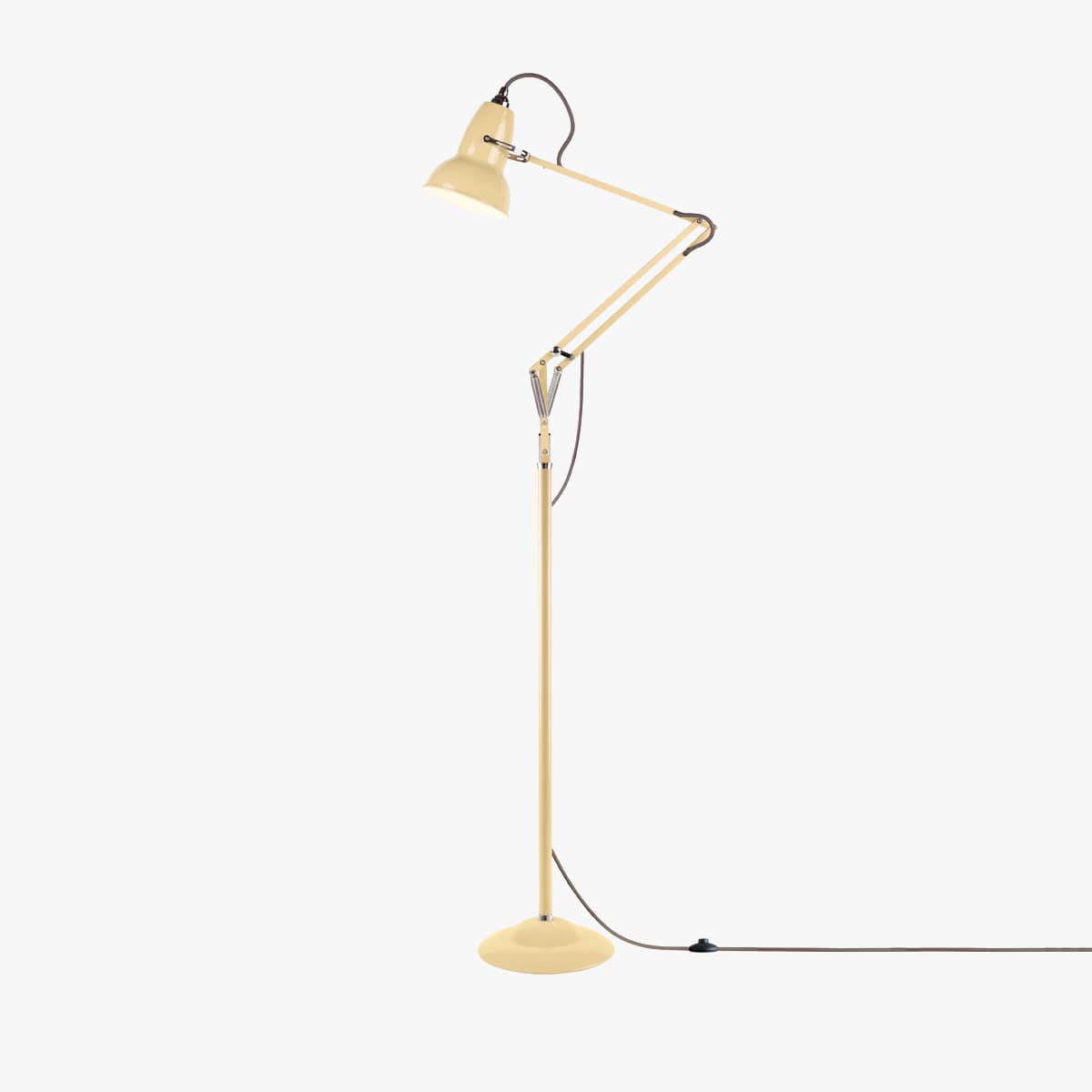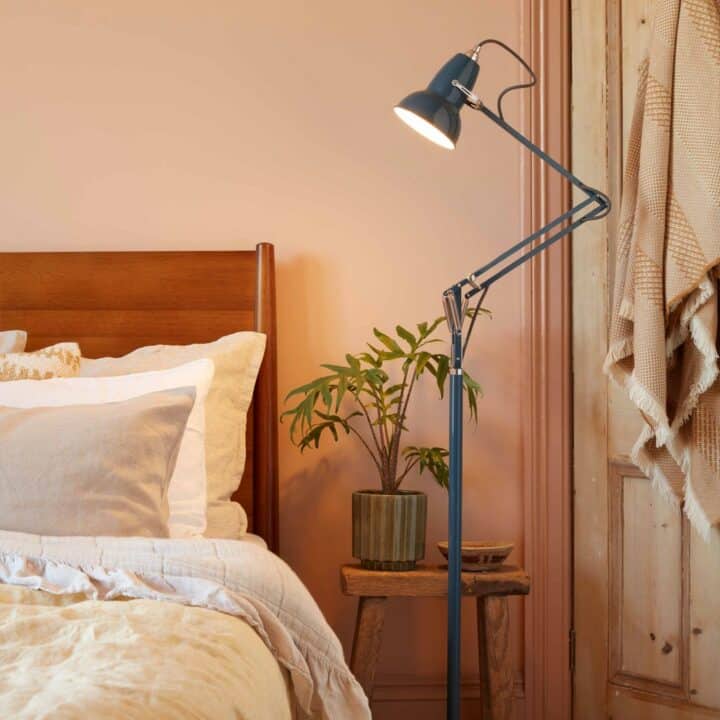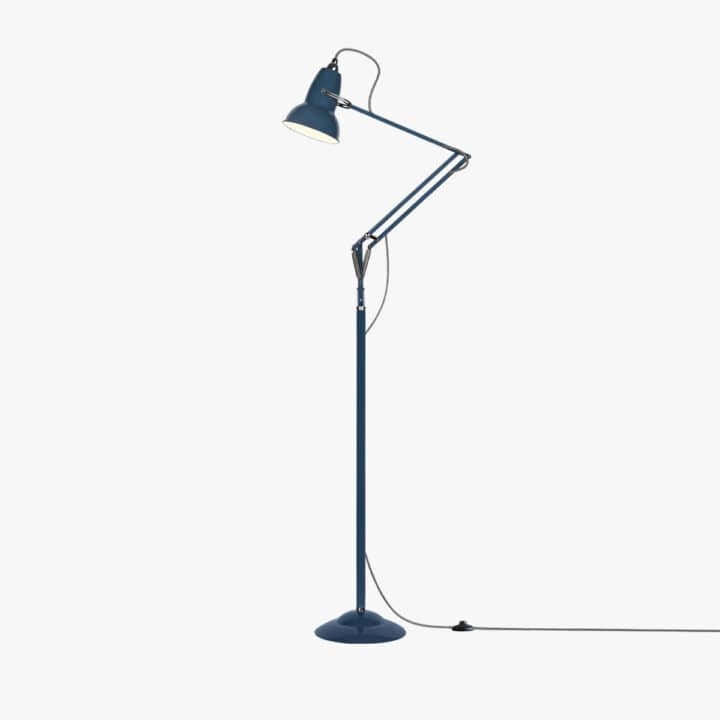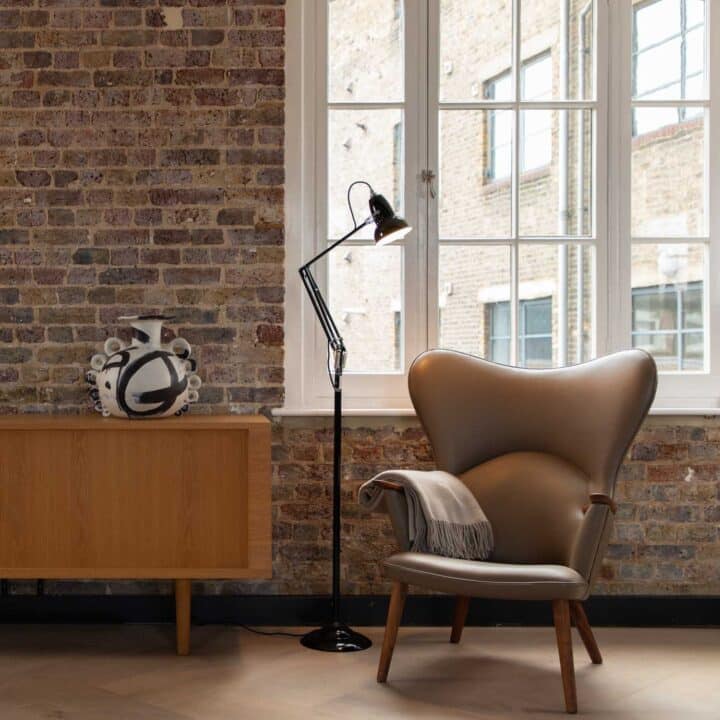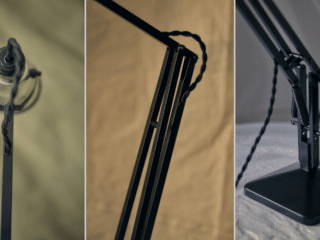





Choosing the right floor lamp earns its place in a room. It can brighten a darker corner, bring focused light to your favourite chair or make it easier to read, work and get on with the things you enjoy. Unlike fixed ceiling or wall lighting, it also gives you the freedom to put light where you actually need it.
Choosing the right floor lamp means thinking beyond how it looks. Height matters, but so do reach, adjustability, the direction of the shade and the type of light it provides. A floor lamp for reading will need to work harder than one used purely to add a little warmth to a room, while an adjustable design can often do both.
Here’s what to consider when choosing a floor lamp for your space.
Start With What You Need Your Floor Lamp to Do
Before looking at dimensions or finishes, think about how you’ll use the lamp day to day.
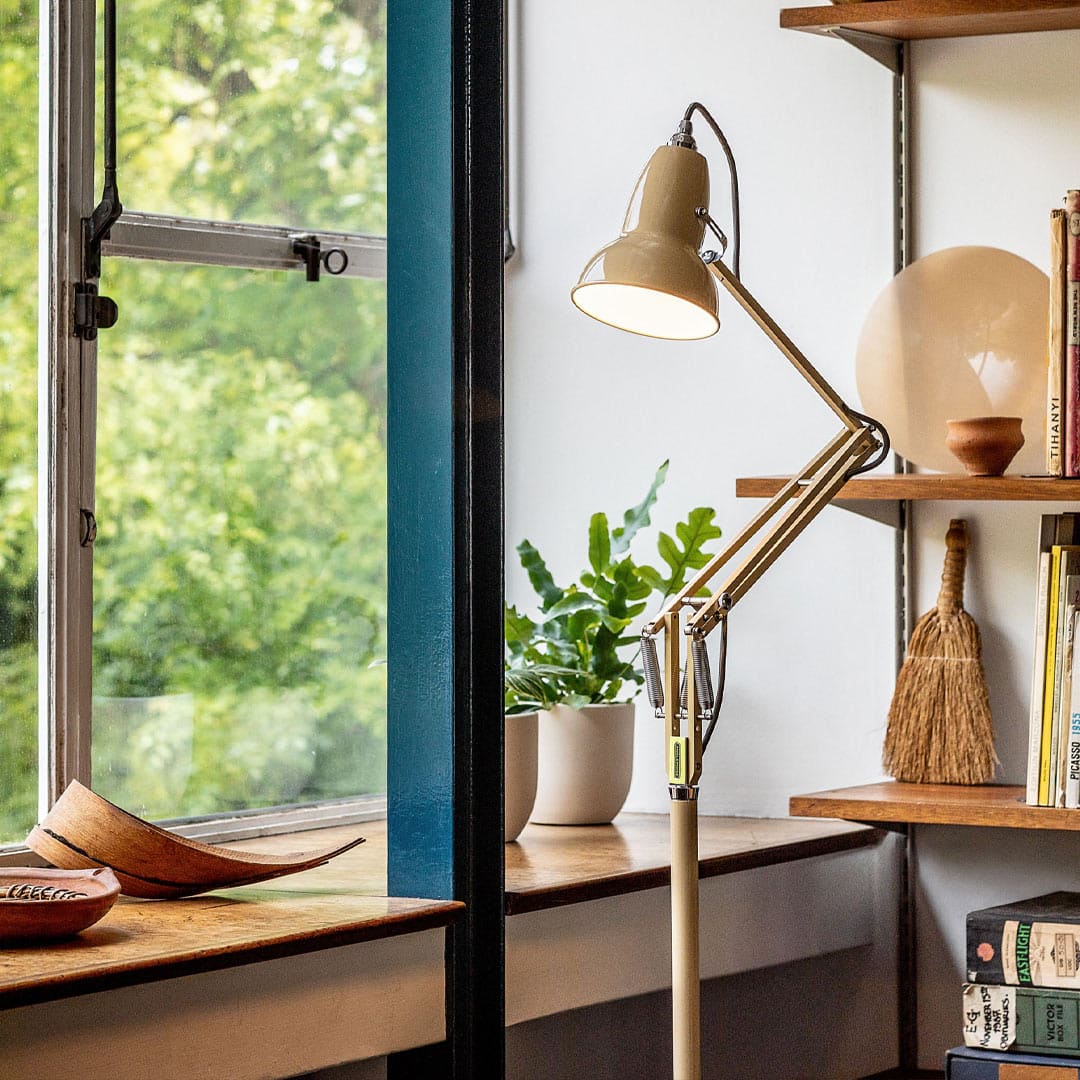
If it’s going beside an armchair or sofa where you regularly read, you’ll want a floor lamp that can direct light towards your book without creating glare. In a bedroom, it might need to provide softer evening light while still being useful for reading. In a home office, an adjustable floor lamp can provide extra task lighting without taking up valuable desk space.
A floor lamp can also help with parts of a room that your main lighting doesn’t quite reach. Rather than relying on one bright ceiling light, adding lighting at different heights can make the space more comfortable and give you more control over how it feels throughout the day.
How to Choose a Floor Lamp for Reading
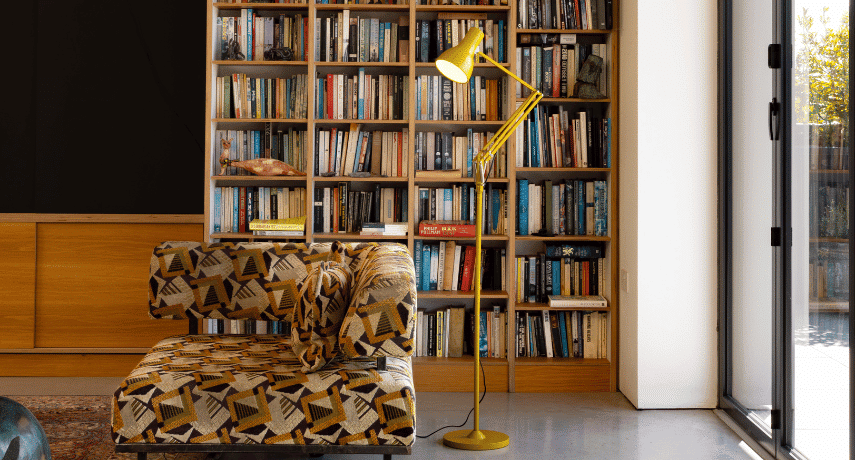
When choosing a floor lamp for reading, look for a design that lets you position the light close to where you need it. A fixed shade may work well if your chair and lamp never move, but an adjustable floor lamp gives you far more flexibility.
The shade should direct light towards the page rather than straight into your eyes, while an adjustable arm allows you to change the height and reach depending on how you’re sitting. This is particularly useful in shared living spaces where the same lamp might be used from an armchair one evening and a sofa the next.
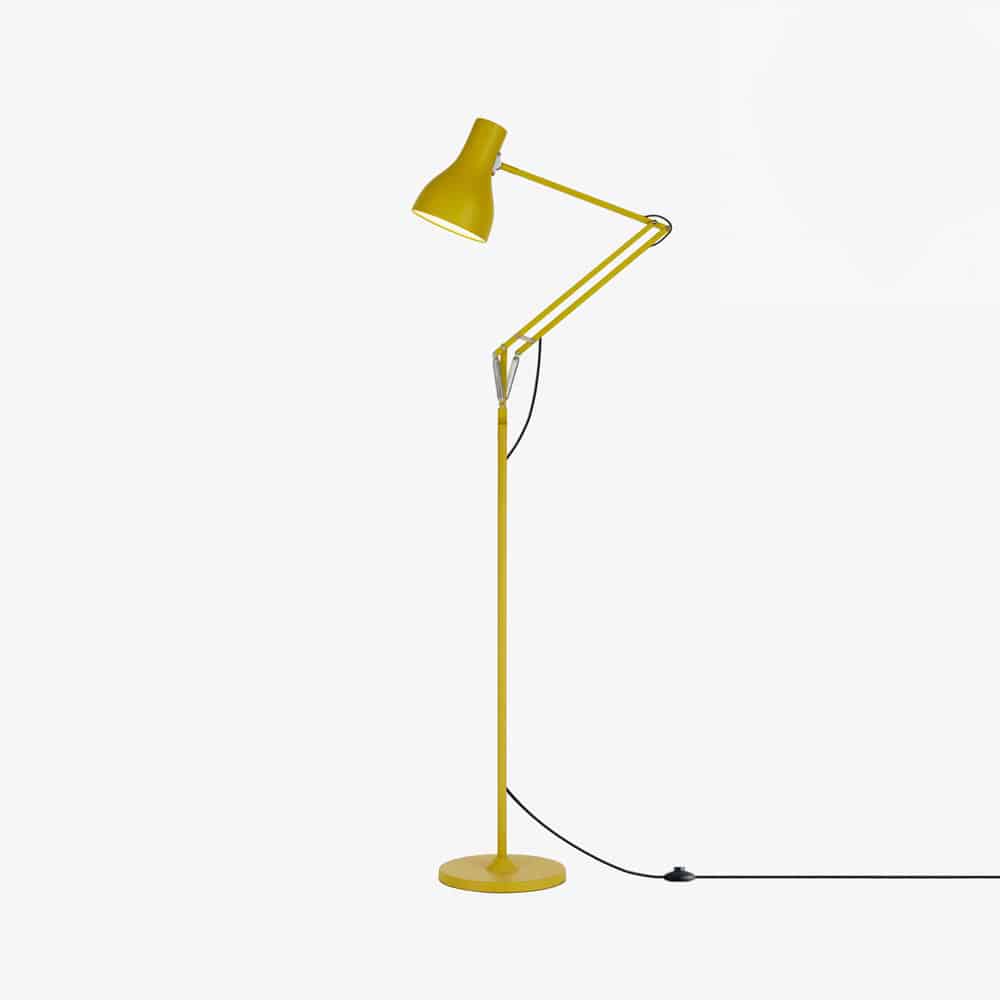
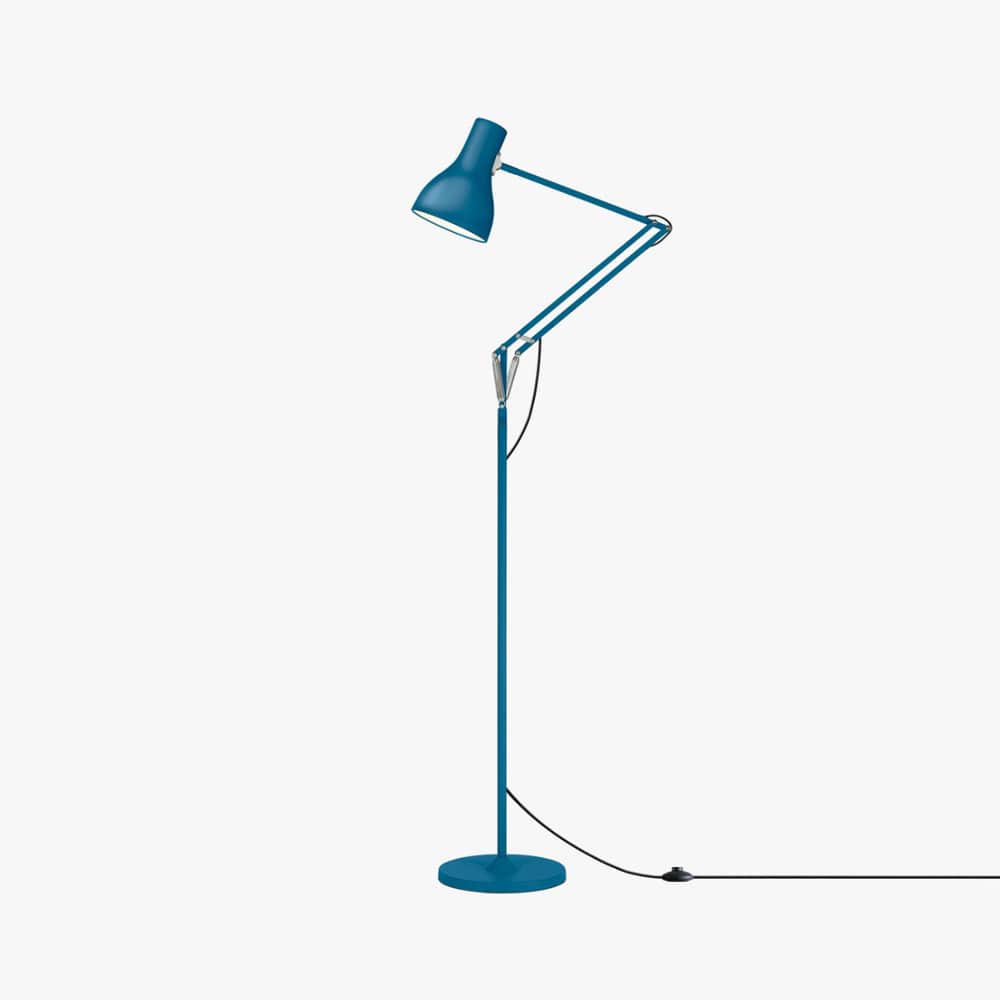
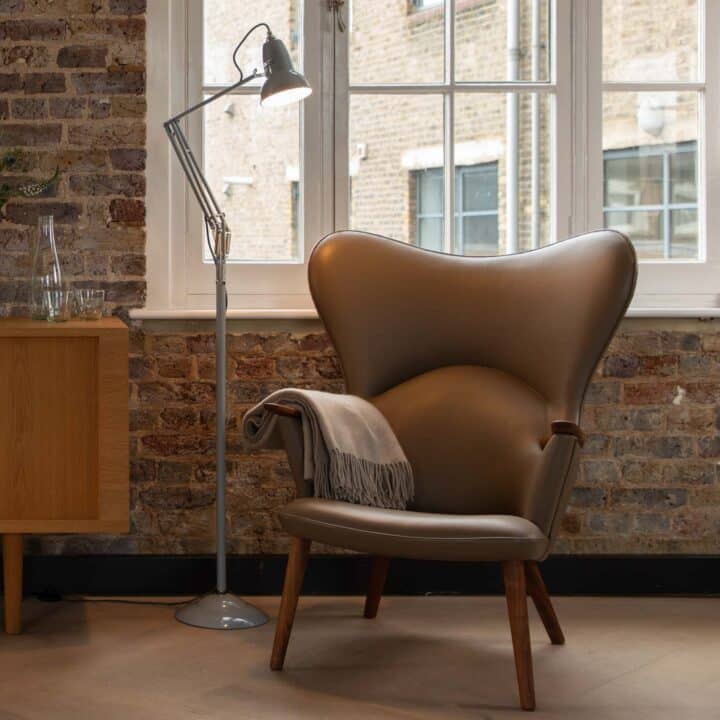
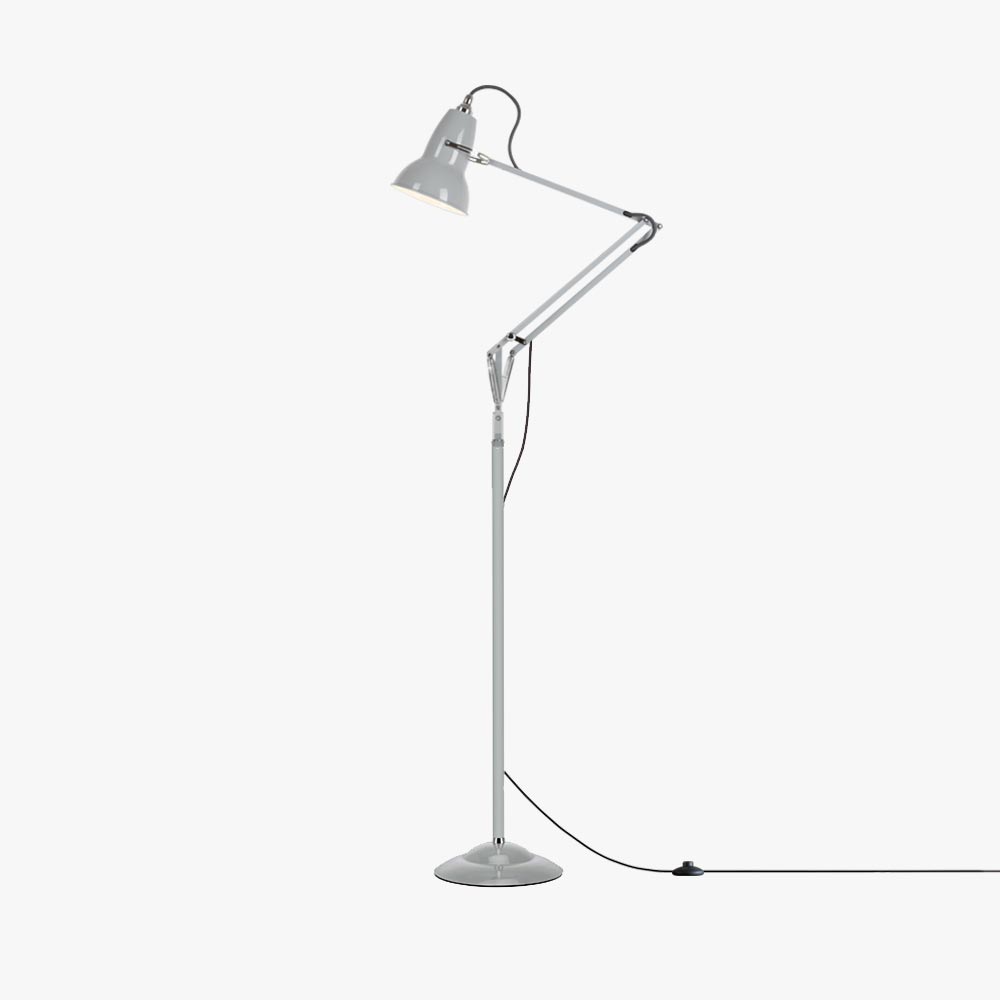
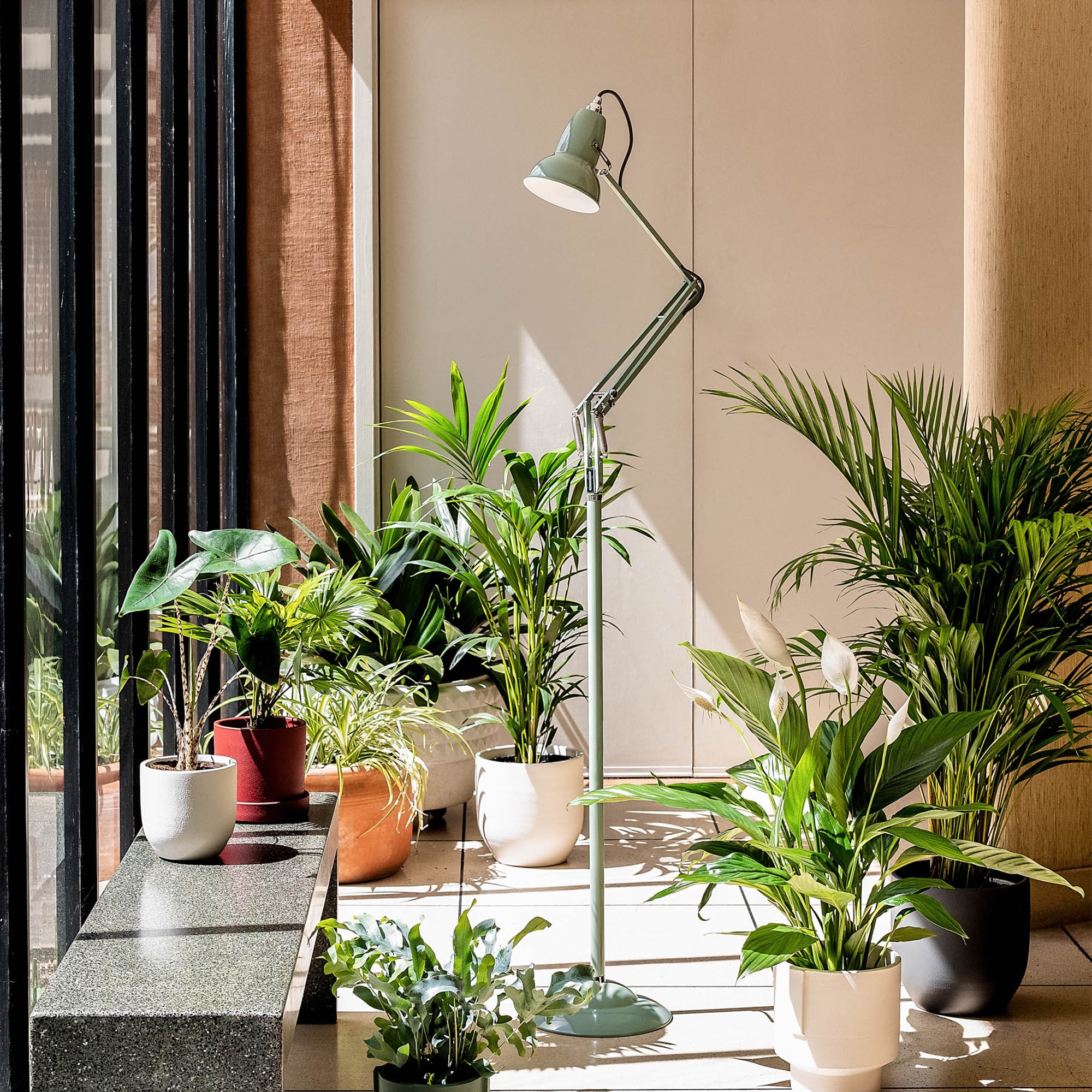
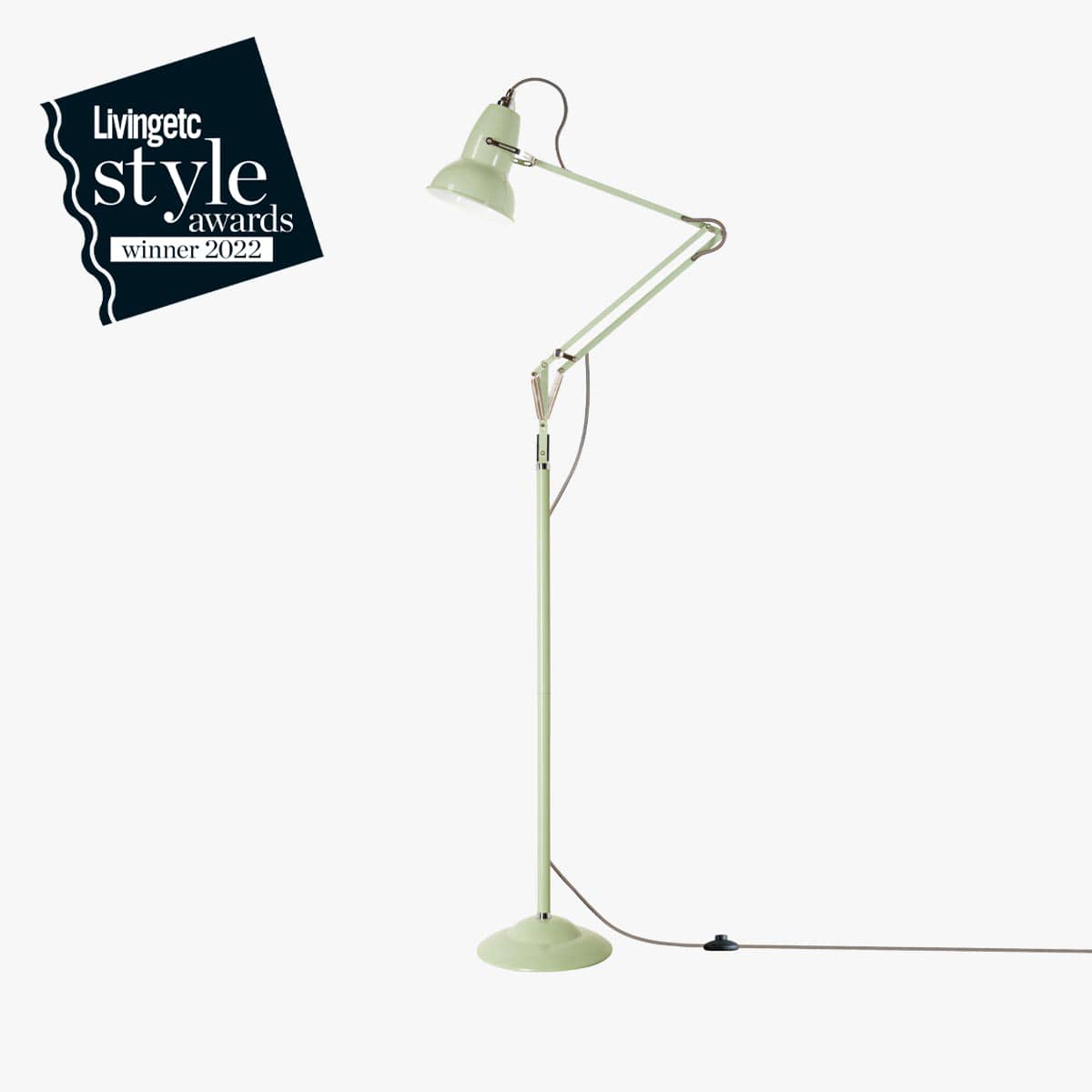
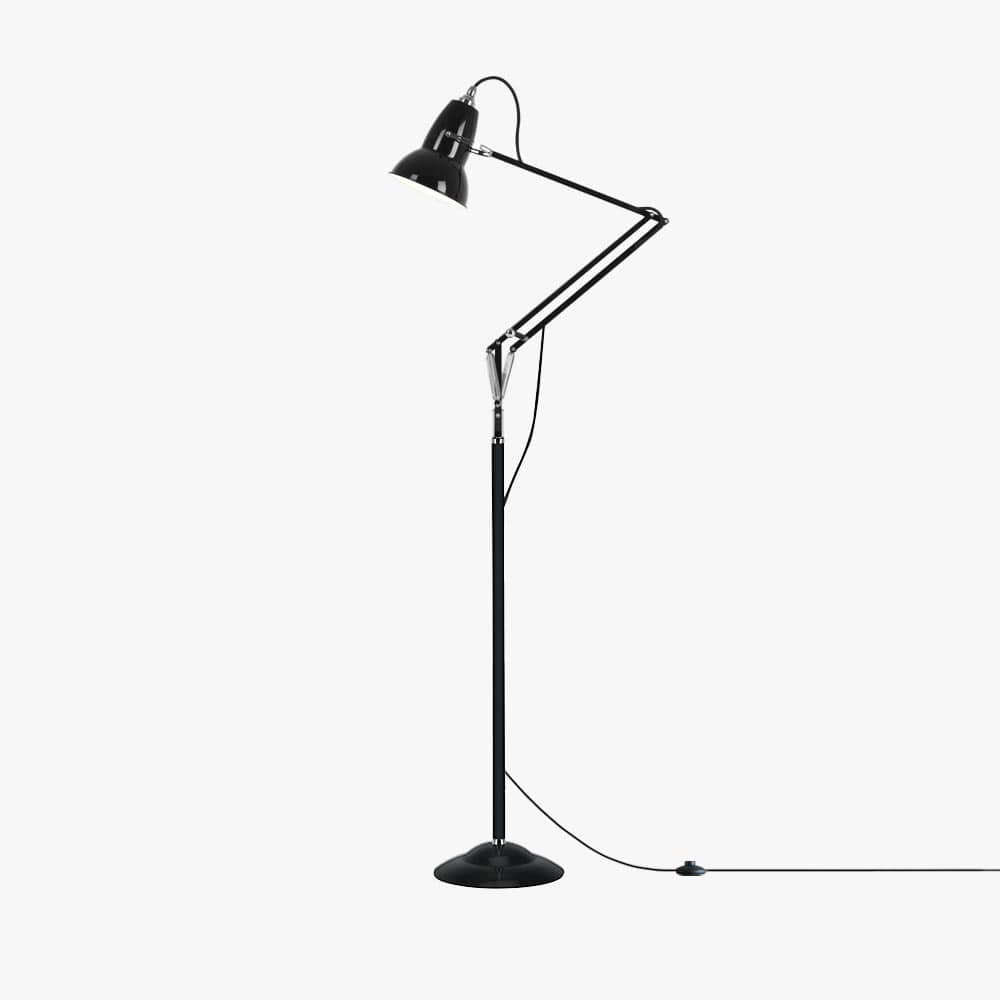
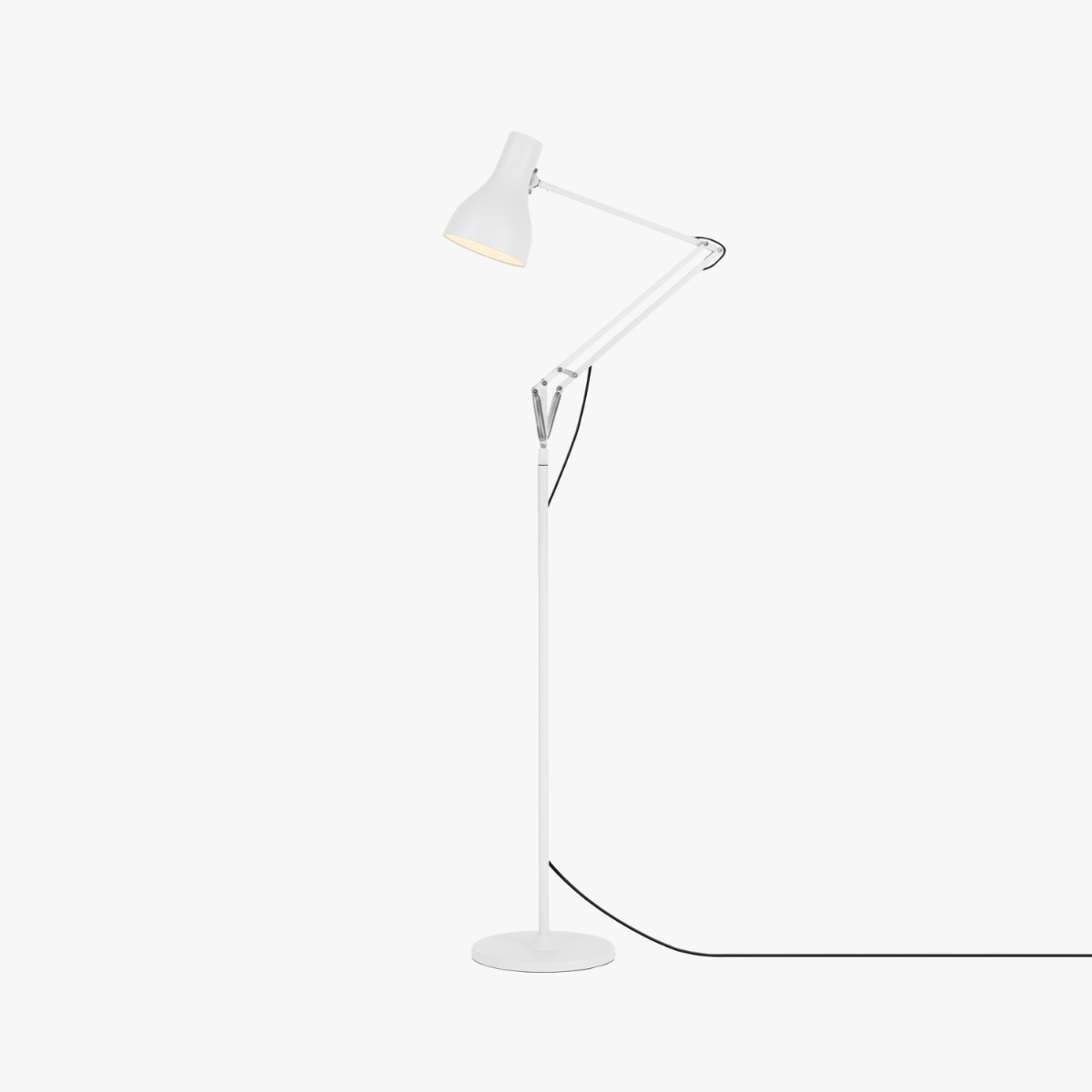
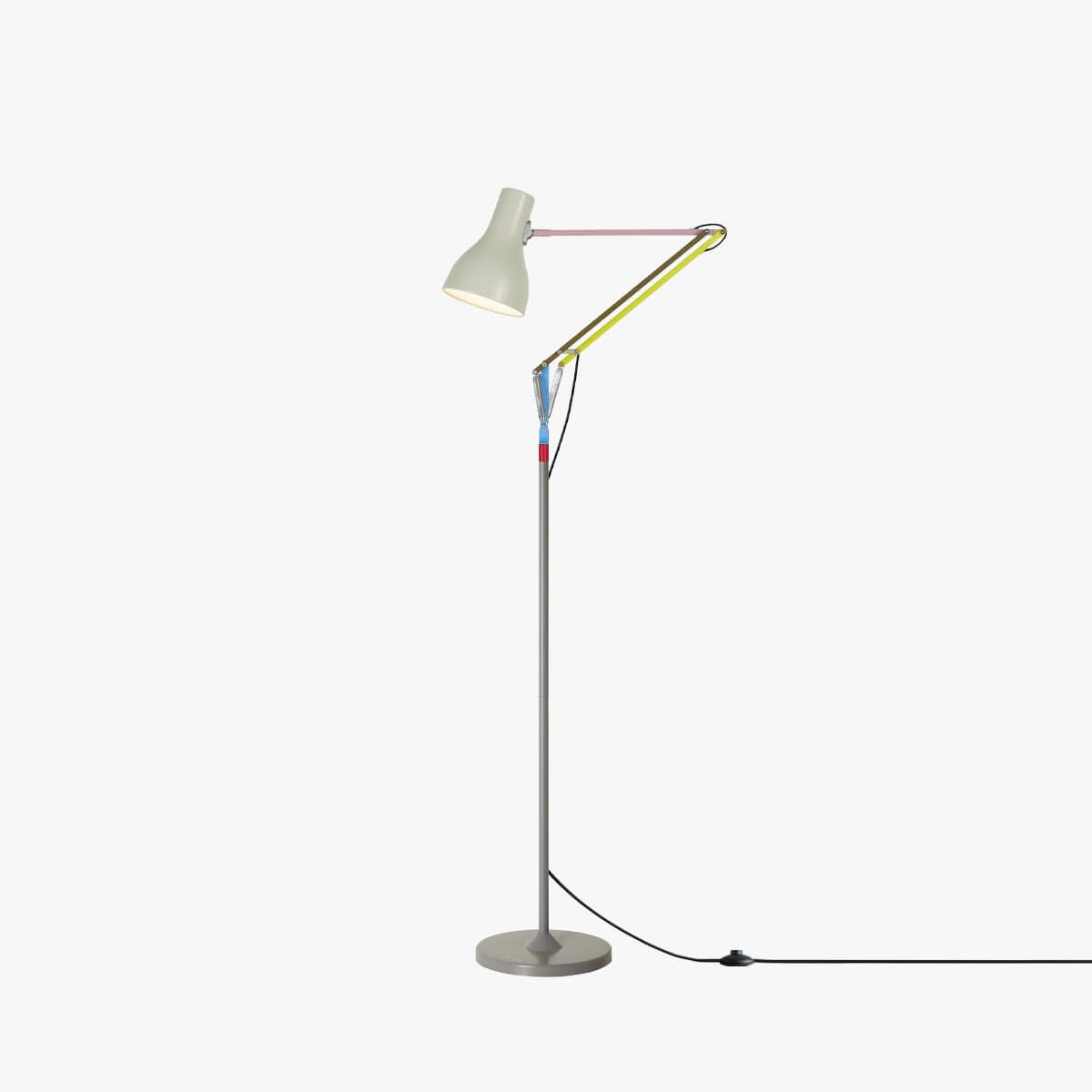
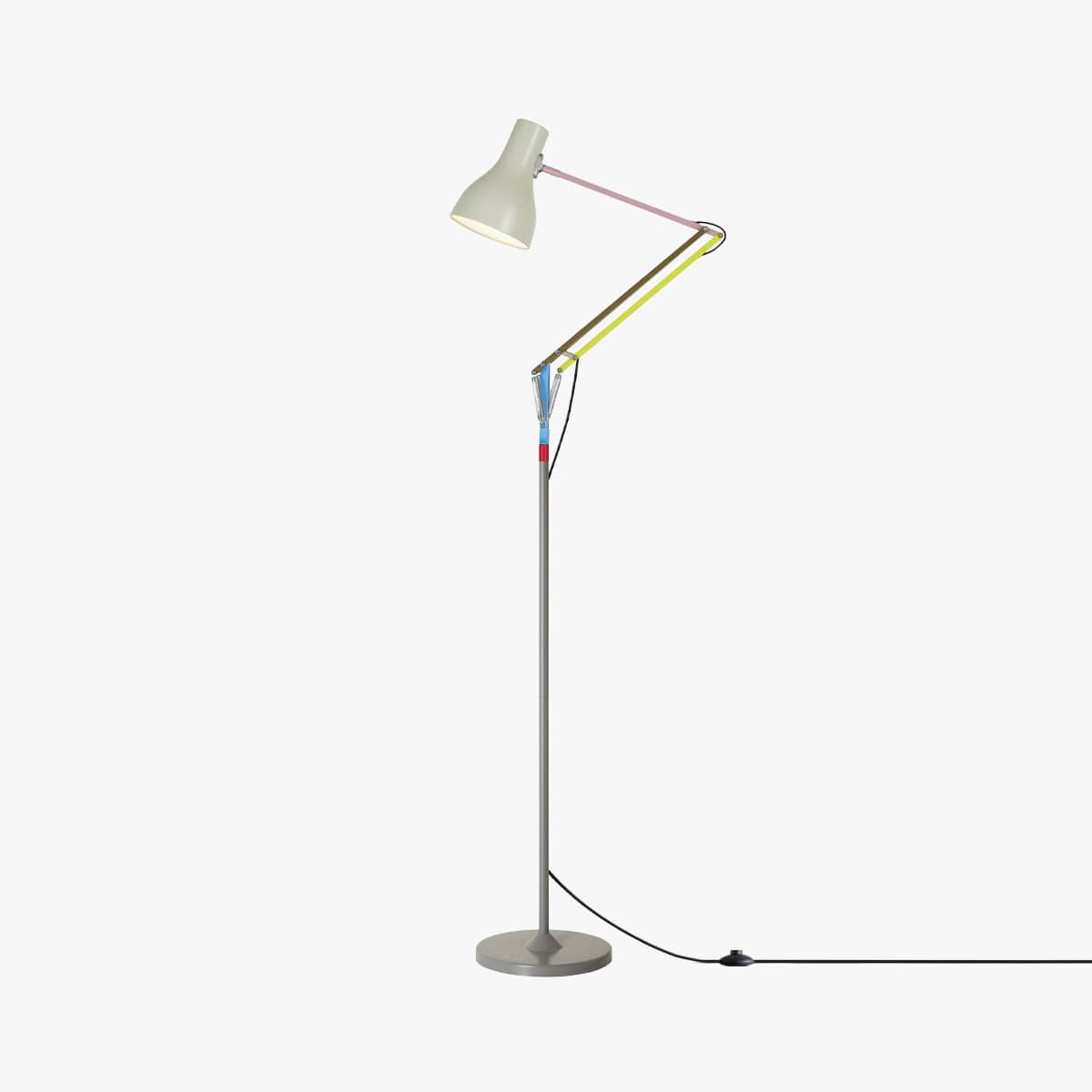
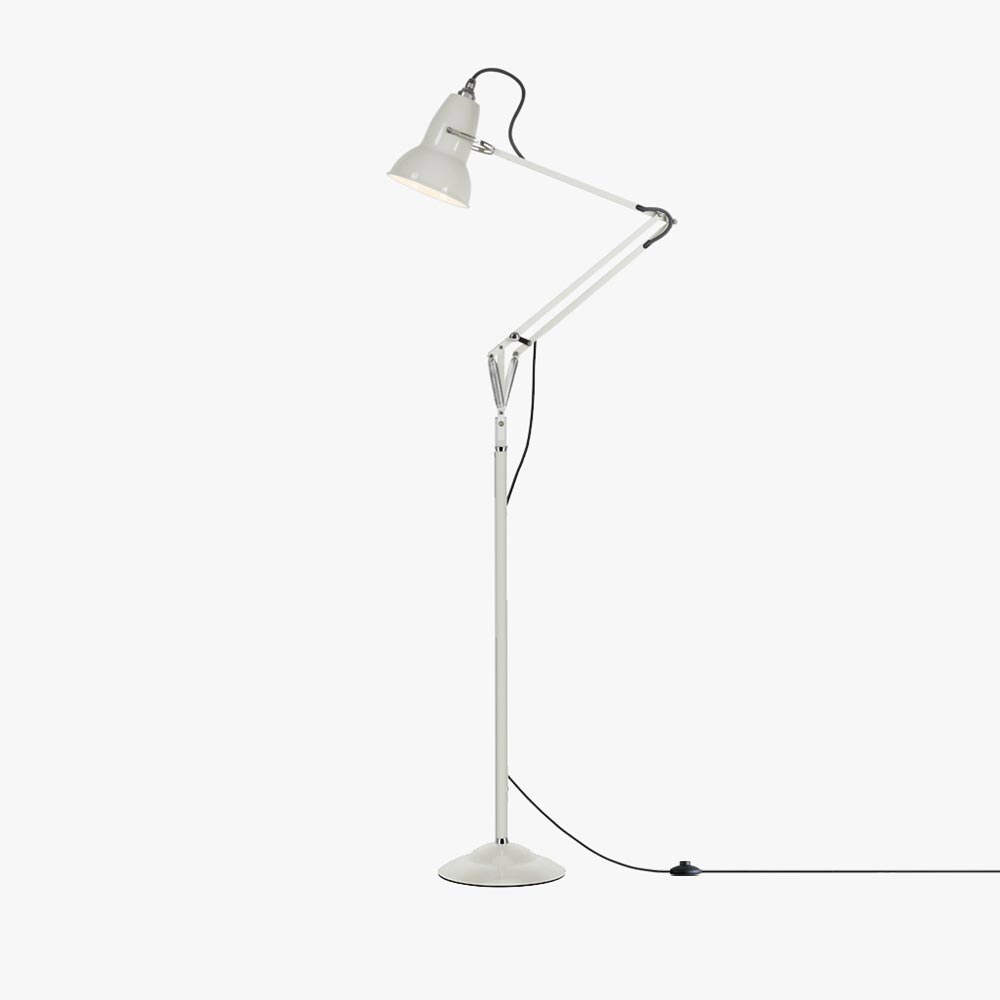
Anglepoise floor lamps are designed around this idea of movement. The Original 1227 Floor Lamp takes the familiar Anglepoise spring mechanism and brings it to floor-lamp scale, allowing the arms and shade to be repositioned to create focused, directional light. The Type 75 Floor Lamp offers the same principle of adjustability in a more streamlined form, making it easy to bring light closer when you’re settling down with a book or move it away when you want a broader pool of light.
For a reading floor lamp, that ability to make small adjustments can be much more useful than simply choosing the tallest or brightest option.
Look at Adjustability, Not Just Height
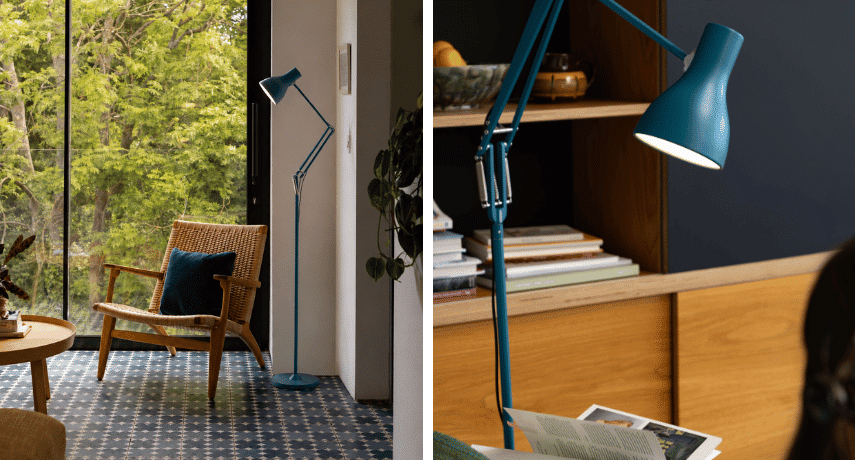
Floor lamp height is worth considering, but the tallest lamp isn’t necessarily the most useful. What matters is where the light ends up.
Look at the lamp’s reach as well as its overall height. Can the shade extend over the arm of a chair or towards the middle of a desk? Can you angle it downwards? Can the lamp be repositioned without moving the whole base?
An adjustable floor lamp gives you more options as your needs change. You might pull the light closer for sewing, drawing or reading, then move it back when you want softer lighting in the evening. If you rearrange the room later, the lamp has a better chance of working with the new layout too.
This is one of the reasons the adjustable arms of the Original 1227 and Type 75 work particularly well in living rooms and workspaces. Rather than deciding on one fixed position for the light, you can move it to suit whatever you’re doing.
Think About Where Your Floor Lamp Will Sit
It helps to know roughly where your lamp is going before you buy it. Measure the available floor space and consider nearby furniture, plug sockets and the routes people regularly take through the room.
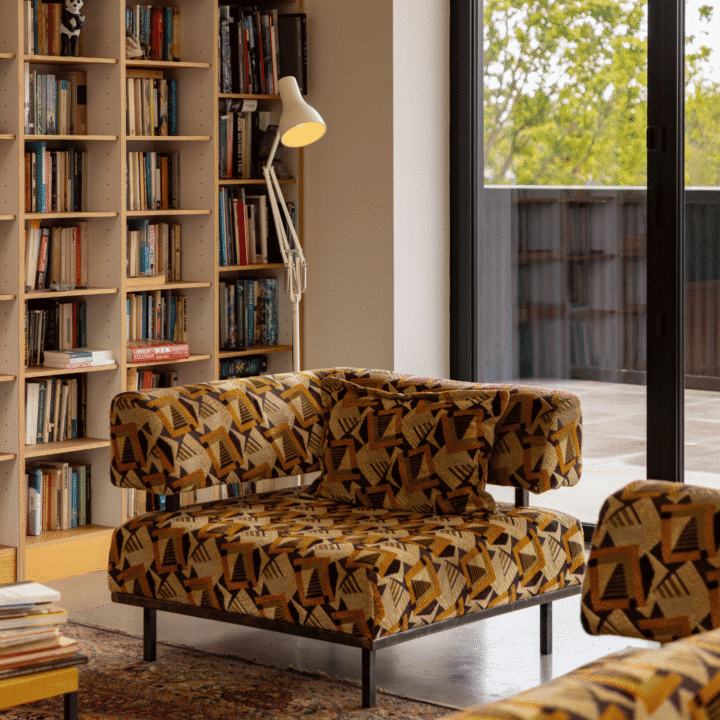
If you’re choosing a floor lamp for reading, it will usually work best positioned beside or slightly behind your chair or sofa. From there, the light can be directed over your shoulder and onto the page without the base getting in the way.
Base size is particularly important in smaller rooms. A large decorative base can take up more usable space than expected, whereas a relatively compact base combined with an adjustable arm lets you position the light where you want it without having to put the entire lamp directly beside you.
The same thinking applies in a home office. If your desk is already full, positioning a floor lamp alongside it can give you useful task lighting while keeping the work surface clear.

Consider the Direction and Quality of Light
Brightness is only part of the equation. Where the light goes makes a big difference to how useful a floor lamp feels.
A directional shade concentrates light onto a more specific area, making it particularly useful for reading, writing, drawing and other detailed tasks. Being able to angle the shade also means you can reduce unwanted glare on screens or move the light away from someone else sitting nearby.
Think about the bulb too. A warm white light can create a comfortable atmosphere in living rooms and bedrooms, while still providing useful illumination for everyday tasks. The bulb you need will depend on the individual lamp, so always check its specifications before choosing one.
Make Your Floor Lamp Part of the Bigger Lighting Scheme
Most rooms work better when they aren’t relying on a single source of light. Ceiling lights can provide general illumination, while wall, table and floor lamps introduce light at different heights and give you more control.
A floor lamp can sit somewhere between ambient and task lighting. Point it towards your book and it becomes focused task lighting; reposition it and it can contribute to the softer lighting around the room.
This flexibility is particularly useful during autumn and winter, when a room may need bright, practical light earlier in the day before shifting to something softer in the evening.

Choose a Floor Lamp That Can Adapt With You
A floor lamp is a substantial piece of lighting, so it’s worth considering how useful it will be beyond its first position in your home. Furniture moves, rooms change purpose and the way you use a space can change over time.
Adjustability makes that much easier. Both the Original 1227 and Type 75 Floor Lamps can be repositioned rather than restricting you to a fixed pool of light, giving them the flexibility to move from a reading corner to a workspace, bedroom or a different part of the home altogether.
Anglepoise lamps are also Guaranteed for Life, reflecting our belief that good lighting should be made to stay with you. Choosing a floor lamp that can be adjusted, maintained and used in different ways gives it a much better chance of doing exactly that.
Floor Lamp FAQs
What type of floor lamp is best for reading?
A good floor lamp for reading should provide focused, directional light and allow you to position the shade close to your book or magazine. Adjustable arms and shades are particularly useful because you can fine-tune the height, reach and angle of the light rather than moving your chair to suit the lamp.
Where should a floor lamp be placed for reading?
Try placing your reading floor lamp beside or slightly behind your chair or sofa so that the light falls over your shoulder and onto the page. The exact position will depend on the lamp’s reach and adjustability, as well as whether you are left- or right-handed and how you normally sit.
How tall should a reading floor lamp be?
There isn’t one ideal height for every reading floor lamp. The position of the shade in relation to your chair is more important than the lamp’s total height. Look for a design that allows the shade to sit above and slightly behind you, with enough adjustment to direct the light comfortably onto the page.
Can a floor lamp light a whole room?
A floor lamp can add a useful amount of light to a room, but it usually works best alongside other light sources rather than replacing them entirely. Combining ceiling, wall, table and floor lighting lets you create different layers of light and adjust the room for reading, working, relaxing or entertaining.