



Collaborations | News | Stories
Working with Swansea Students: Supporting Young Designers Through Light, Craft and Opportunity

Working with young designers is always a reminder of where good design begins. Not with a perfect answer, usually. More often with a question, a material sample, a half-formed idea, a sketch that changes shape over time.
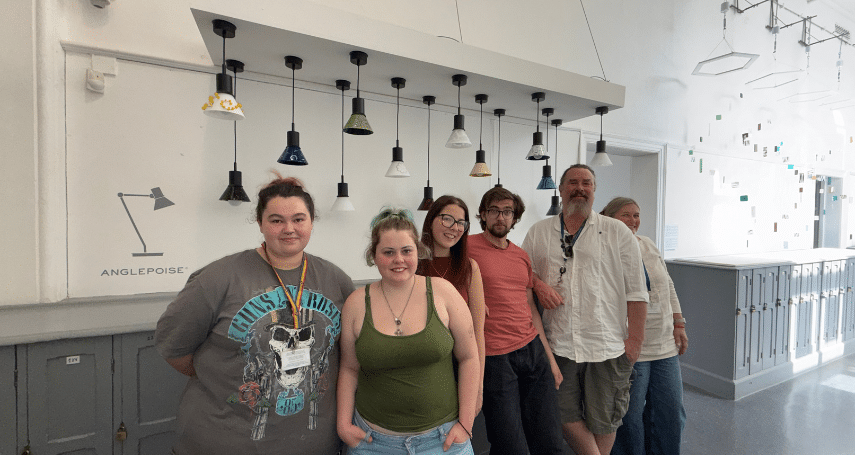
For the second year running, Anglepoise has worked with students from UWTSD Swansea College Of Art from BA Design Crafts: Glass. Ceramics and jewelry, on a live design brief. The project brought together light, craft, material exploration and professional experience, giving students the opportunity to respond to a real brand, a real object and a real set of design considerations.
It was a project rooted in making. But also in listening, presenting, adapting and understanding how ideas live beyond the sketchbook.

A Live Brief for Young Designers
At its heart, the collaboration asked students to explore the values and vision of Anglepoise through the lens of materials, treatment and light.
That sounds simple enough on paper. In practice, it asks a great deal. Students had to think not only about how a lamp looks, but how it behaves. How it supports use. How it feels in the hand, in a room, on a desk, beside someone working late or making something carefully.
Anglepoise lamps have always been tools for doers. Writers, makers, engineers, coders, cooks, designers and anyone who needs reliable light to get on with the task in front of them. This brief invited students to consider that relationship between object and user, while bringing their own craft specialisms and material knowledge into the conversation.
The result was a project that balanced discipline with imagination. There were rules, and there was room.
Two Routes Into the Brief
This year’s live brief was developed into two core elements, building on the success of the first collaboration.
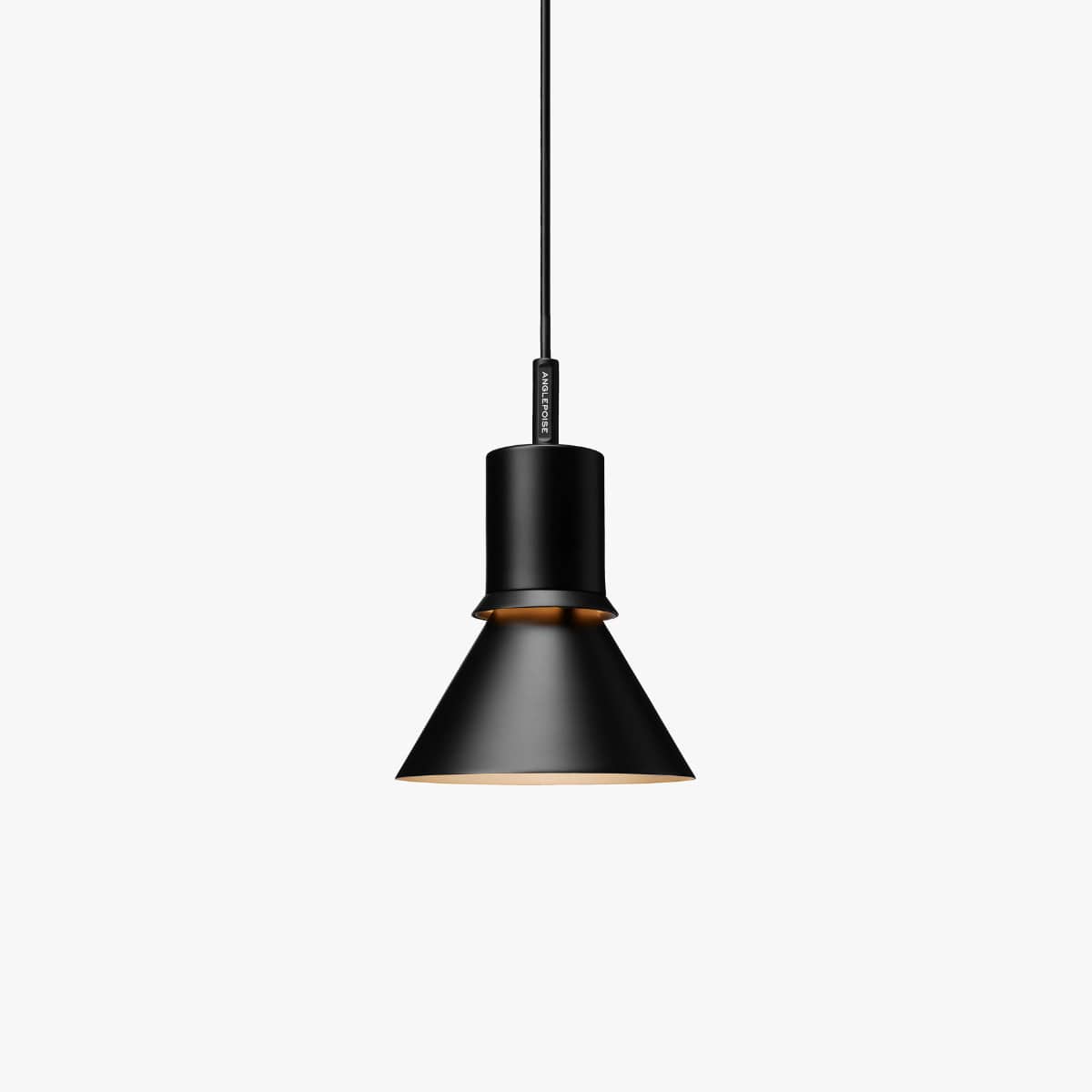
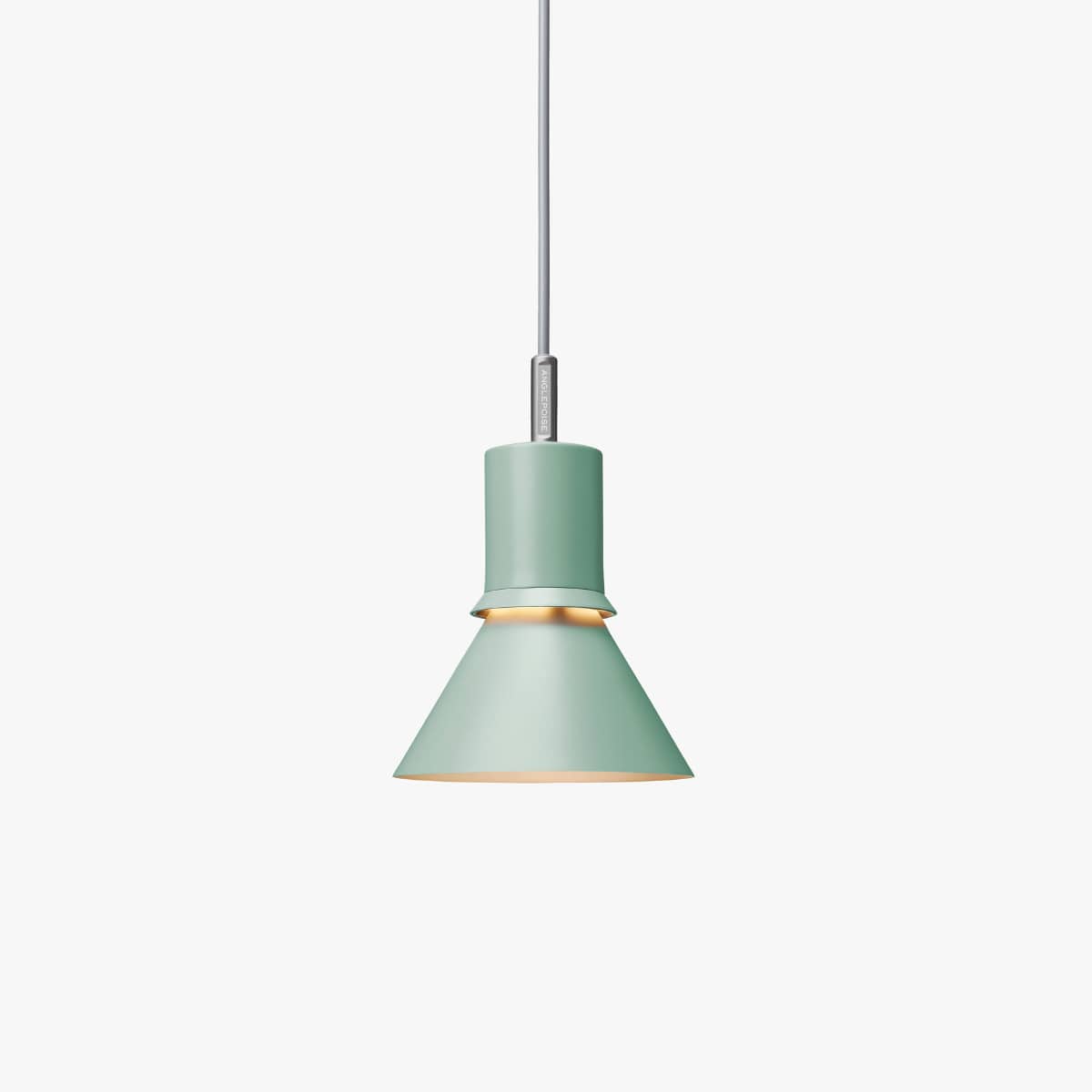
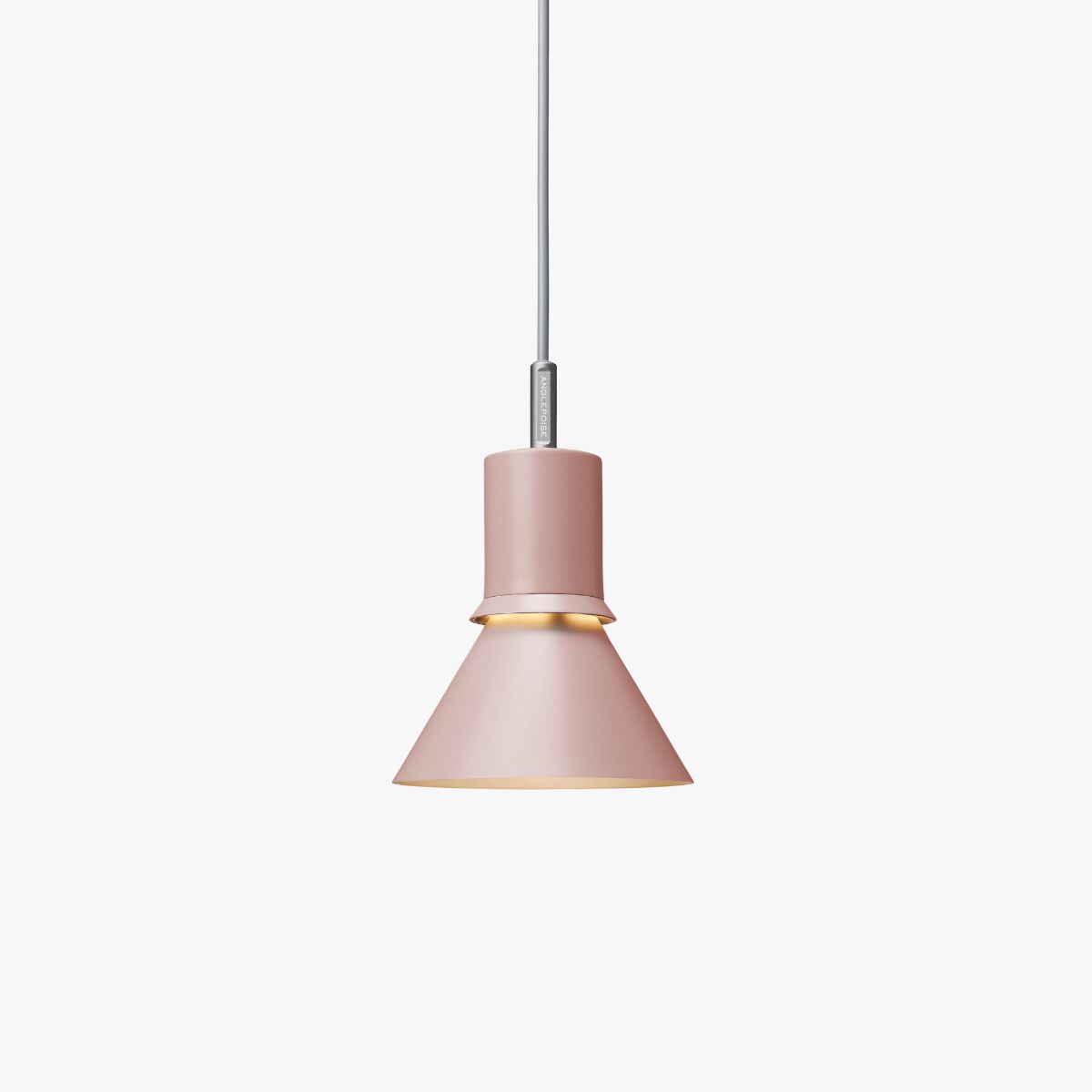
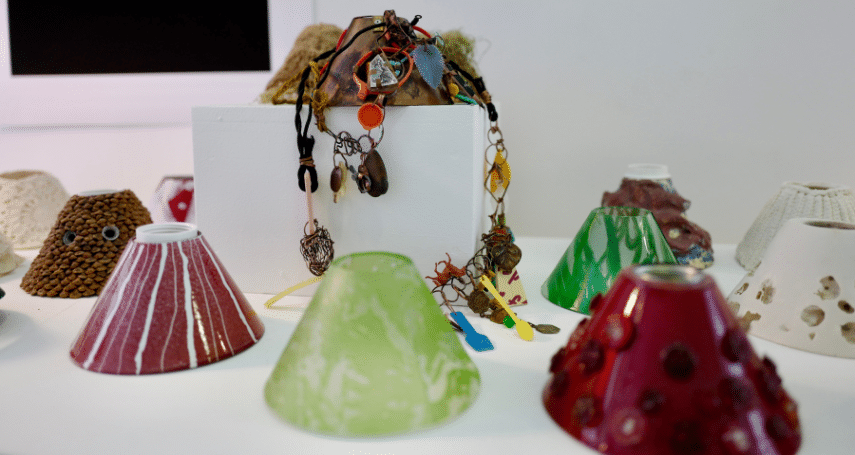
Part 1 focused on the lamp shade itself. Students were asked to adhere strictly to the dimensions and silhouette of a cone-shaped shade, working within the parameters of enamelled steel, glass and ceramics. This was the more controlled side of the brief. The kind of challenge that can be quietly demanding, because creativity has to happen inside a fixed form.
The benefit of this structure was clear. It encouraged students to think commercially as well as creatively. How does the shade look when the light is on? How does it change when it is off? What happens to colour, surface, image, texture and shadow? What materials are appropriate around heat? What details make the object feel resolved rather than simply decorated?
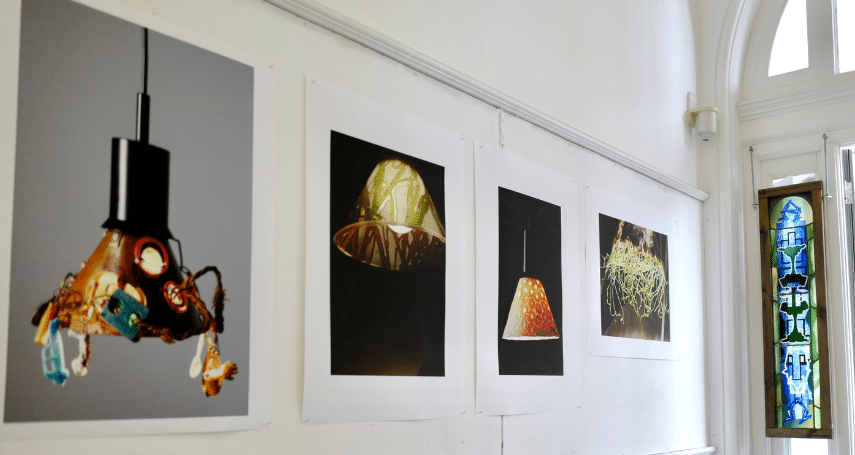
Part 2 opened the brief out. Students could be more experimental with the lamp itself, or with broader themes of lighting. This allowed them to explore other materials, expand on their collection or push further into their chosen specialism. Some ideas stayed close to the Type 80 shade. Others moved towards installation, wearable work, larger lighting pieces or more expressive studies of light, reflection and shadow.
That combination was important. One part held students close to a professional product framework. The other gave them space to find their own voice.
The Type 80 as a Starting Point
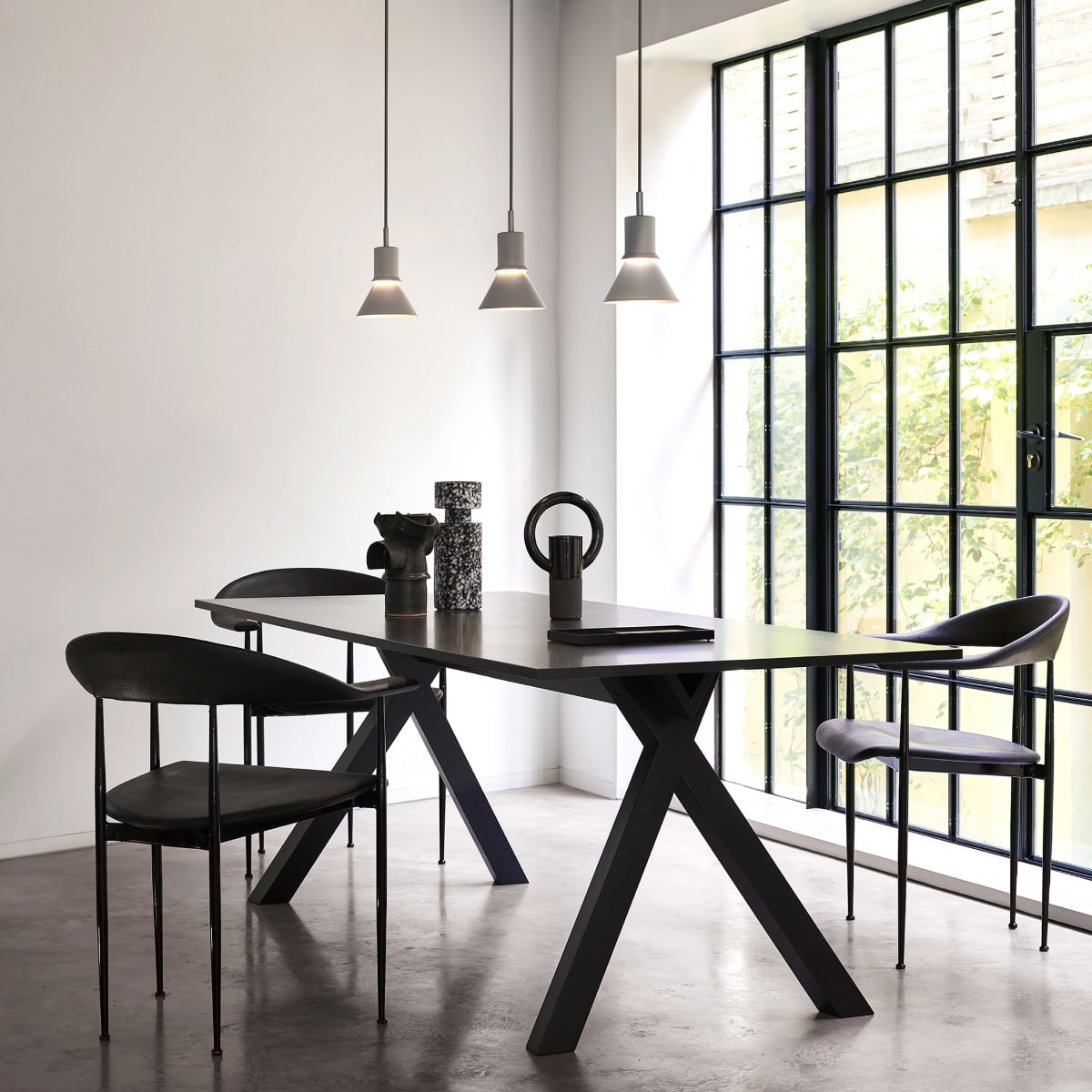
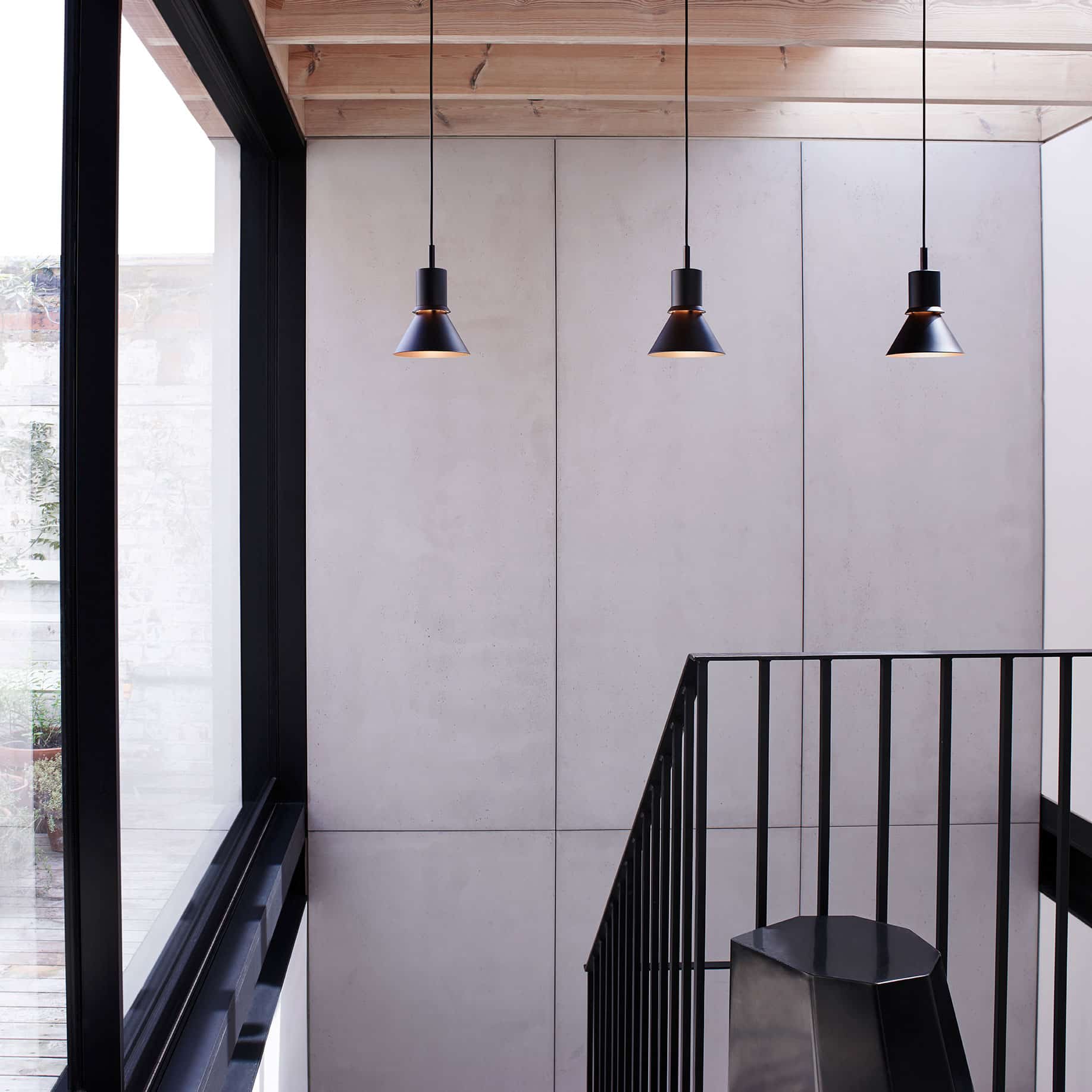
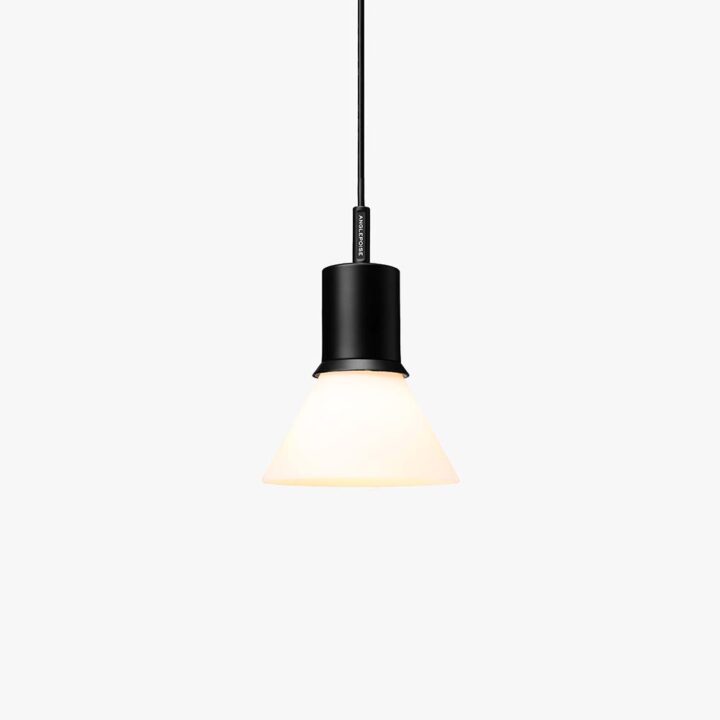
The Type 80 formed a key point of reference for the project. Designed by Sir Kenneth Grange, it offered students a clear product language to respond to, while leaving enough space for interpretation through surface, material and process.
In use, the Type 80 is a practical lamp for people who need focused light without fuss. On a desk, it supports reading, writing, drawing, laptop work and detailed making. In a studio, it becomes part of the rhythm of work, easy to live with and purposeful without feeling severe. For this brief, its benefit was also educational. It gave students a working product context rather than an abstract design exercise.
By engaging with the Type 80 shade, students had to think about proportion, assembly, safety, finish and the way a functional product holds together. It is one thing to make a beautiful surface sample. It is quite another to place that sample onto a product and ask it to perform.
That step from sample to object is often where learning happens.
Materials, Surface and the Behaviour of Light
The Swansea students worked across ceramic, glass and enamelled steel, each material bringing its own constraints and opportunities.
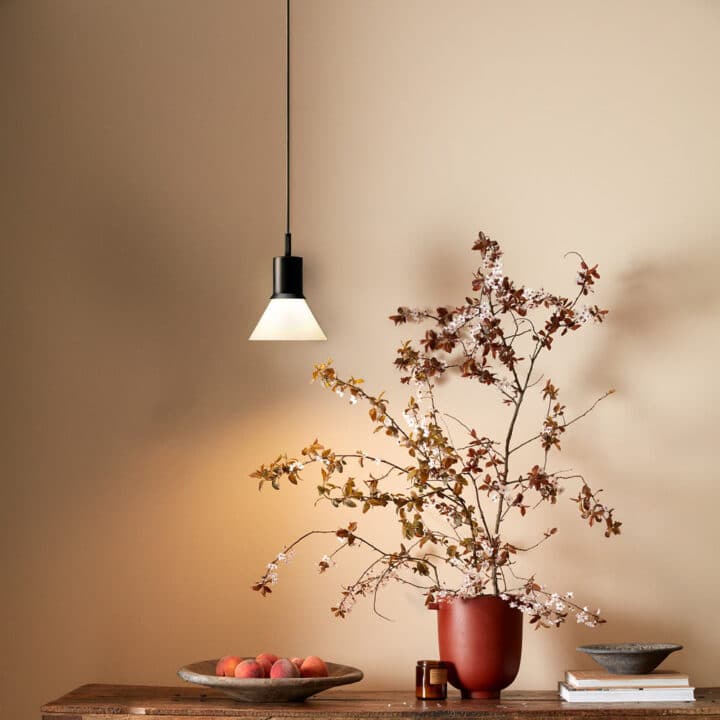
Ceramic gave students a route into form, surface and tactility. Its benefit lies in its weight, permanence and ability to hold detail, glaze and colour in ways that feel crafted and considered. Used in a lighting context, ceramic can soften the relationship between light and object, creating a sense of warmth even before the lamp is switched on.
Glass introduced another kind of thinking. It asked students to consider transparency, opacity, etched marks, reflection and the movement of light through a surface. In use, glass can shift atmosphere quickly. It can diffuse, reveal, distort or sharpen. For students exploring light, that makes it both exciting and unforgiving. Every decision becomes visible.
Enamelled steel brought a more industrial character to the project. Durable, precise and highly responsive to surface treatment, it encouraged students to think about colour, finish and longevity. The benefit of enamel in a lamp shade is not only visual. It can offer resilience and a crispness of finish that connects naturally with product design, especially where function and decoration need to meet cleanly.
Beyond these core materials, the brief also invited students to consider alternative and experimental routes, including digital processes and more ecological approaches. Ideas such as bio-materials, recycled surfaces, layering, etching, 3D printing, laser cutting, textiles and negative space were all part of the wider field of research.
The project was not asking students to decorate a lamp and stop there. It was asking them to understand what materials do.

Supporting Creative Talent in a Real Industry Setting
Supporting creative talent is not only about encouragement. Encouragement matters, of course, but students also need proper conditions in which to test themselves.
A live brief creates those conditions.
As Anna Lewis explained, the midway visit from Anglepoise was “absolutely invaluable” for the students because it allowed them to share ideas, practise professional presentation skills and pitch to a client. That kind of experience cannot be fully taught through theory. It has to be felt. The pause before presenting. The need to explain a decision clearly. The accountability that comes from knowing someone outside the course is listening carefully.
Anna also noted that students elevated their projects as a result of that accountability. It is a small but significant shift. Work becomes less about completing a module and more about communicating an idea with purpose.
For Anglepoise, this is one of the most valuable parts of the collaboration. It creates a genuine exchange. Students bring fresh thinking, material curiosity and personal craft perspectives. The brand brings context, expectation and a design heritage that asks to be understood rather than imitated.
Talent and Opportunity Belong Together
Talent and opportunity are often spoken about as if they are separate things. In reality, they need each other.
A student may have strong ideas, excellent material instincts or a distinctive visual language. But without the opportunity to test that work in a professional setting, some of that potential remains hidden. Equally, an opportunity only becomes meaningful when students are given enough trust to respond in their own way.
This brief was structured to do both. It gave students real parameters, but it did not close down invention. It asked them to respect the Anglepoise brand, but not simply repeat what already exists. It encouraged them to research the company, understand its story and connect their outcomes to its ethos, while still drawing on their own identities as makers.
Claire Sambrook described attitude and dedication as vital skills for working in industry. That point feels especially relevant here. Skill matters, but so does the way a student approaches the work. Do they keep going when a material fails? Can they respond to feedback? Can they refine an idea without losing its character? Can they present their thinking clearly and generously?
Those are industry skills. They are also life skills.
Learning from the Anglepoise Story
Anglepoise has a long history of design rooted in function, movement and character. The original spring, crank and lever mechanism created by George Carwardine in the 1930s set the foundation for a lamp that could be positioned with ease and stay exactly where needed. That simple usefulness is still central to the brand.
For students, that history offers more than a reference point. It shows how a practical problem can become an enduring design language. It also shows that good design is rarely about novelty alone. It is about usefulness, clarity, longevity and emotional connection.
The brief asked students to think about Anglepoise products as tools that support activity. That is a quietly rich idea. A lamp is not just an object on a desk. It is part of someone’s work, routine, concentration and comfort. It helps create the small pool of light where thinking happens.
When students understand that, their design decisions become more grounded. The question is no longer just, “What can I make?” It becomes, “How will this be used, and why should someone care?”
Sustainability, Repair and Longevity
Another important theme in the brief was sustainability. Anglepoise has long placed repair and longevity at the centre of its thinking, and the project asked students to consider the full lifecycle of the product.
For young designers, this is essential. The future of design cannot be separated from questions of material responsibility, durability and waste. A beautiful object is not enough if it ignores how it is made, how long it lasts or what happens when it is no longer wanted.
The Swansea brief encouraged students to ask better questions. Could a material be repaired? Could a surface treatment last? Is the object designed for a moment, or for years of use? Does the concept support responsible making, or only visual effect?
These questions do not make a project less creative. Often, they make it more interesting.
The Value of the Midway Review
A key moment in the project was the midway company visit. Students were asked to present mood boards, research, light experiments, design drawings, samples and developing directions.
This kind of review changes the atmosphere of a project. It gives students a deadline that feels real. It also gives them a chance to practise the kind of communication that professional designers use all the time.
Not every idea will be fully formed at the midway stage, and that is the point. Students have to explain what they are exploring, what is working, what is uncertain and where the project might go next. They learn to speak about process, not only outcome.
For many students, this is where confidence begins to build. They realise that a client is not only looking for polish. They are looking for thought, effort, clarity and direction.
A Celebration of Craft
One of the strengths of the Swansea project was the way it allowed students to celebrate craft in individual ways.
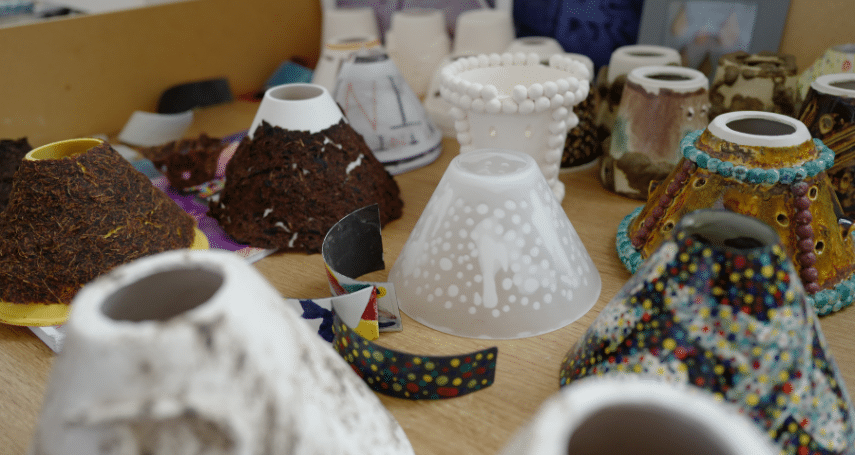
Claire Sambrook noted that Anglepoise left part of the brief open to a unique celebration of craft, enabling students to showcase their skills to their best potential. That openness matters. Craft education thrives when students are encouraged to understand materials deeply, but also to bring something of themselves to the work.
A live brief can sometimes become too narrow. This one avoided that by making space for experimentation. The more resolved Type 80 shade outcomes sat alongside broader investigations into lighting, shadow, surface and form.
It meant students could be precise where precision was needed, and expansive where the brief allowed it.
Why These Collaborations Matter
For Anglepoise, working with students from Swansea is not a decorative side project. It reflects a belief in supporting creative talent and staying connected to new ideas, new makers and new ways of thinking about materials.
For the students, the collaboration offered industry experience before entering their final year. It helped them develop portfolio work, presentation skills and a clearer understanding of how a professional brief operates. It also gave them the satisfaction of seeing their ideas taken seriously by an established design brand.
There is something generous in that exchange. Something practical too.
Design does not move forward in isolation. It moves through conversation, critique, making, remaking and the occasional brave leap. Live briefs create a space for all of that to happen.
Looking Ahead
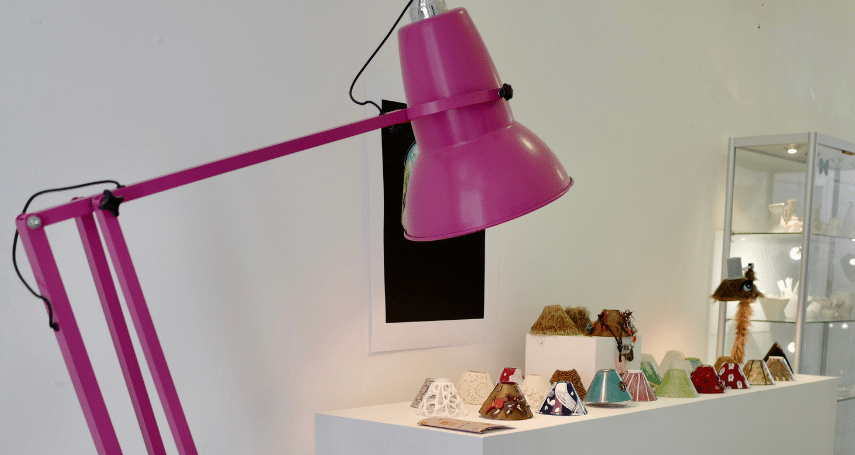
The final outcomes from the Swansea students showed what can happen when a clear brief meets curiosity and commitment. The lamps, samples and experimental pieces reflected many different routes through the same starting point.
Some were driven by surface. Some by material process. Some by the atmosphere of light itself. What connected them was care.
Anna Lewis described being incredibly proud of how the students stepped up and how their projects developed. Claire Sambrook highlighted the high quality of the output and the dedication shown by the students and staff. Those reflections say a great deal about the value of the project.
For young designers, moments like this can be formative. They help bridge the space between education and industry, between talent and opportunity, between making something for assessment and making something that speaks to a wider world.
And for Anglepoise, that feels like a natural place to be.
Close to the work. Close to the makers. Close to the light.
FAQ
Why did Anglepoise work with students from Swansea?
Anglepoise worked with UWTSD Swansea College Of Art students on the BA Design Crafts: Glass. Ceramics and jewelry course through a live design brief that explored materials, light, craft and product thinking. The collaboration gave students the opportunity to respond to a real brand and gain industry experience.
What was the focus of the student brief?
The brief focused on material exploration, surface treatment and lighting. Students created refined lamp shade outcomes within set Type 80 dimensions, then developed a more experimental lighting response in their own chosen direction.
How does this project support young designers?
The project supports young designers by giving them real-world experience of presenting to a client, responding to feedback, developing professional outcomes and understanding the expectations of an industry brief.
Why are live briefs important in design education?
Live briefs help students connect creative thinking with practical constraints. They encourage accountability, communication, time management and professional presentation skills that are difficult to replicate in a purely classroom-based project.
Photo Credits: Claire Sambrook