



News
7 Lighting Benefits of Adjustable Desk Lamps

When you’re deep into a project, the last thing you should be thinking about is your lighting. Whatever you do, good light supports the task at hand. Poor light does the opposite. It creates glare, throws shadows across your work and leaves you constantly shifting position to see more clearly.
That’s why adjustable desk lamps have remained a staple of home offices, studios and creative workspaces for decades. Unlike fixed lighting, they move with you, allowing you to direct illumination exactly where it’s needed. It’s a simple idea, but one that makes a noticeable difference to comfort, concentration and the quality of your work.
More than just task lighting
A desk lamp is often thought of as something practical, but the best examples become part of the way you work. They adapt to changing tasks, respond to different times of day and help create a workspace that feels intentional rather than improvised.
Whether you’re building a more considered home office setup or refining a creative studio, adjustable lighting gives you far more control than relying on ceiling lights alone. Here are seven reasons why it continues to be one of the most useful additions to any workspace.
1. It puts light exactly where you need it
General room lighting has an important role, but it’s rarely designed for detailed work. A ceiling light spreads illumination evenly across the room, while the surface you’re actually working on often ends up shaded by your own body or laptop screen.
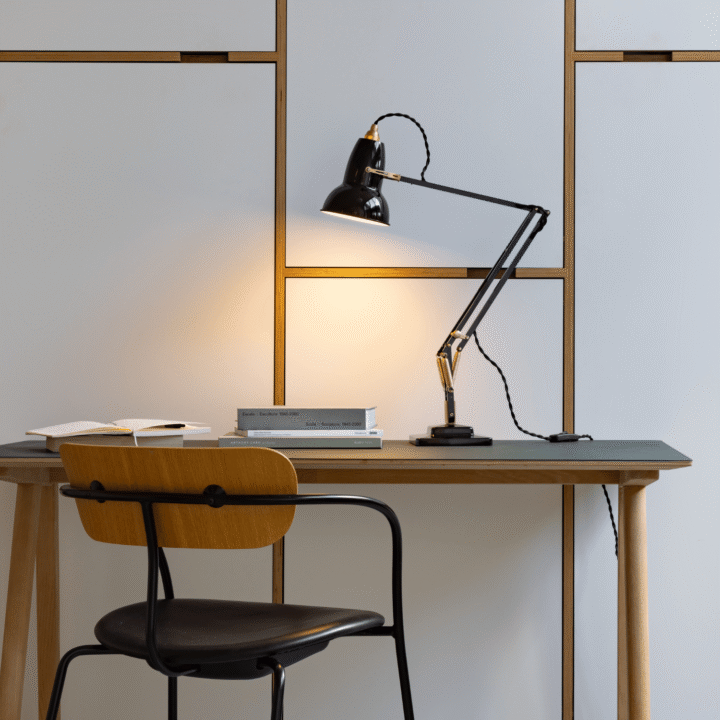
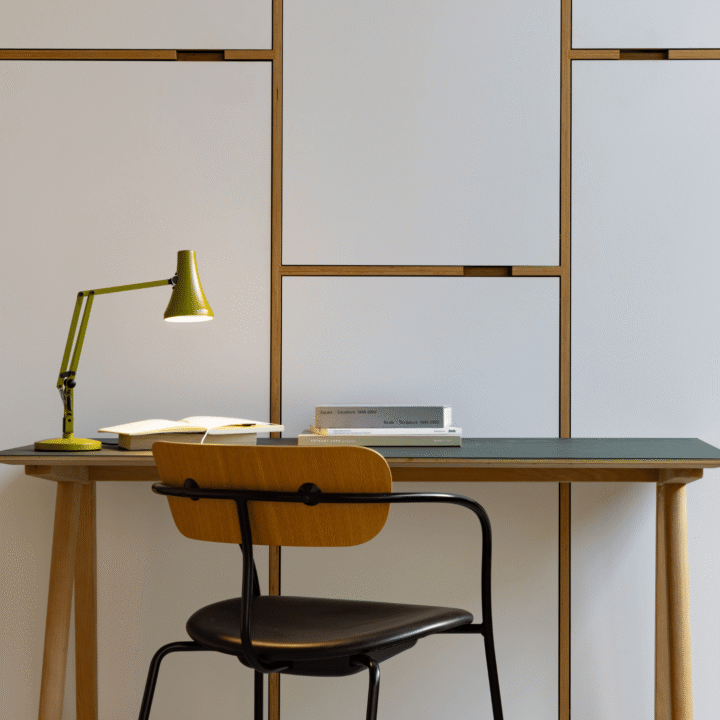
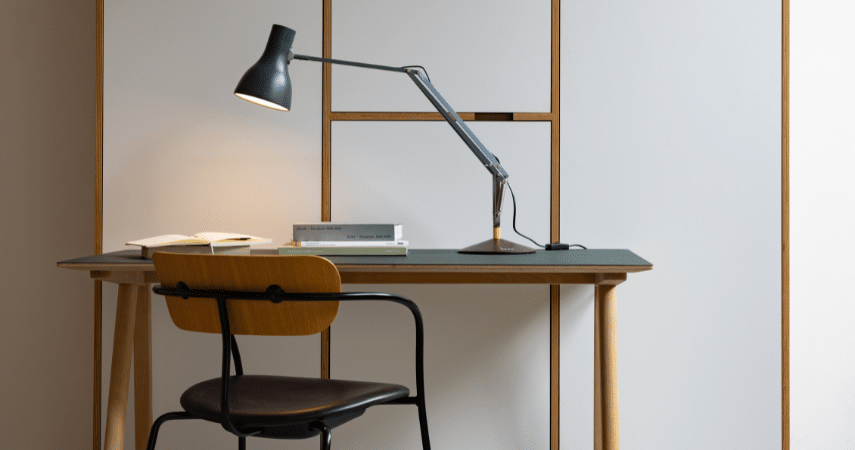
An adjustable desk lamp solves that problem by creating a concentrated pool of light over the task itself. If you’re writing, reading, drawing or working with small objects, you can simply reposition the shade until the light falls exactly where you need it. As your work changes throughout the day, the lamp changes with you, without the need to rearrange your desk or move your chair.
That level of control is what makes effective task lighting feel almost invisible. Instead of thinking about the light, you’re able to focus entirely on the work in front of you.
2. It helps reduce eye strain
Anyone who spends long hours at a desk will know how tiring poor lighting can become. Bright overhead fittings, harsh glare on a screen or deep shadows across paperwork all force your eyes to work harder than they should.
Adjustable lighting helps create a more balanced working environment by reducing those extremes. Rather than flooding the room with brightness, it directs light onto the area you’re using while allowing softer ambient lighting to fill the rest of the space.
Over the course of a full working day, that more considered approach can make reading easier, improve visibility during detailed tasks and help minimise the visual fatigue that creeps in after several hours of concentrated work.
3. Better lighting encourages better posture
Lighting doesn’t just affect what you see. It also influences how you sit.
When paperwork falls into shadow or a notebook isn’t clearly illuminated, it’s common to lean forwards, tilt your head or hunch over the desk in search of a better view. These are small adjustments, but repeated day after day they can leave you feeling uncomfortable by the end of the afternoon.
This is where good ergonomic lighting makes a difference. An articulated lamp allows you to move the light instead of your body. Once the shade is positioned correctly, you can maintain a more natural posture while continuing to see your work clearly.

4. It adapts as natural light changes
Very few workspaces enjoy consistent daylight from morning until evening. Sunlight moves across the room, clouds roll in and, during the winter months, darkness often arrives before the working day is over.
A fixed light can’t respond to those changes, but an adjustable lamp can. A quick movement of the arm or shade is often enough to maintain the same level of illumination, helping your workspace feel consistent regardless of the conditions outside.
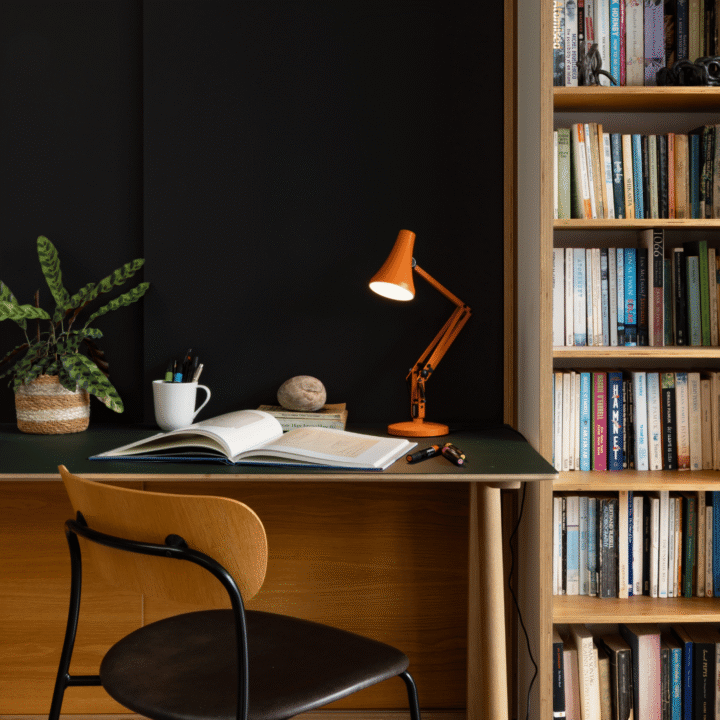
This flexibility is especially valuable in a home office setup, where desks are frequently positioned near windows to make the most of natural daylight. Instead of competing with daylight, an adjustable lamp complements it, filling in when and where it’s needed.
5. One lamp can support many different tasks
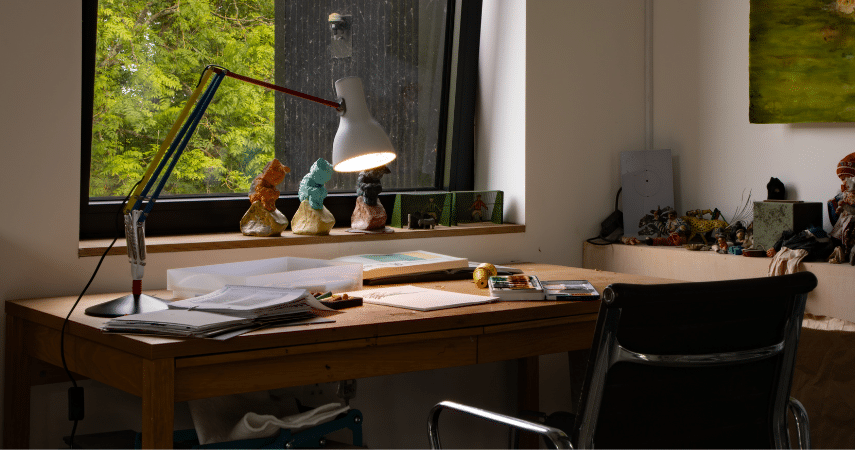
Most people don’t spend an entire day doing one thing. Each activity benefits from light coming from a slightly different angle. Rather than compromising with one fixed position, adjustable desk lamps allow you to respond naturally as your work changes. Raising the arm, lowering the shade or directing the beam slightly to one side becomes part of the rhythm of the day rather than something you consciously think about.
It’s one of the reasons articulated lamps have remained so popular in professional workspaces. They’re designed around movement because work itself is rarely static.
6. Creative work demands more precise lighting
For artists, designers, architects and makers, lighting is about far more than simply seeing the desk.
When you’re choosing colours, refining details or working with physical materials, the direction of light becomes just as important as its brightness. Shadows can reveal texture, highlight imperfections or help distinguish fine details that would otherwise be missed.
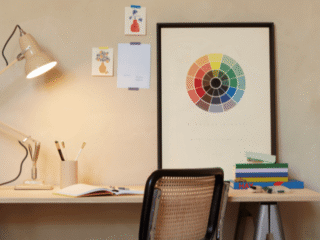
Good studio lighting for creatives allows the workspace to adapt as ideas develop. An adjustable desk lamp can follow the work from sketchbook to model, from drawing board to computer screen, providing consistent illumination without interrupting the creative process. The lamp becomes another tool on the desk, supporting the work rather than competing for attention.

7. It’s a long-term investment in the way you work
The best workspaces evolve over time. You might move house, change careers, redesign your office or simply discover new ways of working. A good adjustable desk lamp evolves with you.
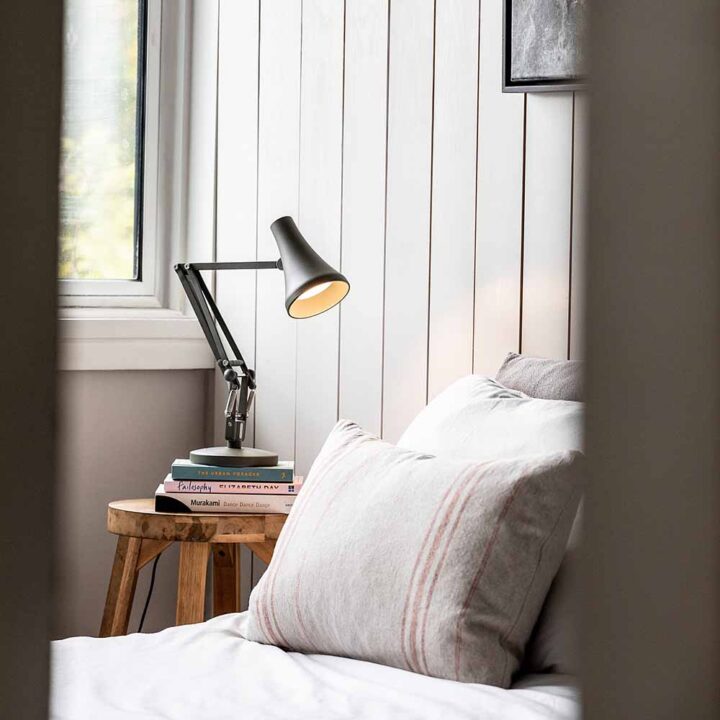
Because it’s designed to move freely and adapt to different environments, it remains useful long after trends in furniture or technology have changed. A well-engineered lamp can move from studio to home office, from bedside table to workshop, continuing to provide the same dependable focused work lighting wherever it’s needed.
That versatility is one of the reasons thoughtfully designed adjustable lamps have become enduring design objects. They’re not simply chosen for how they look on day one, but for how naturally they fit into everyday life over many years of use.
Choosing the right adjustable desk lamp
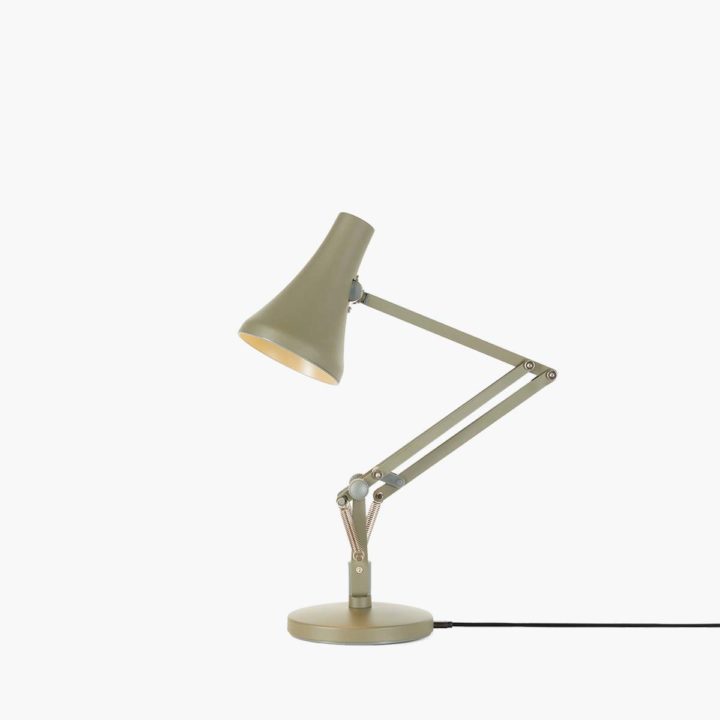
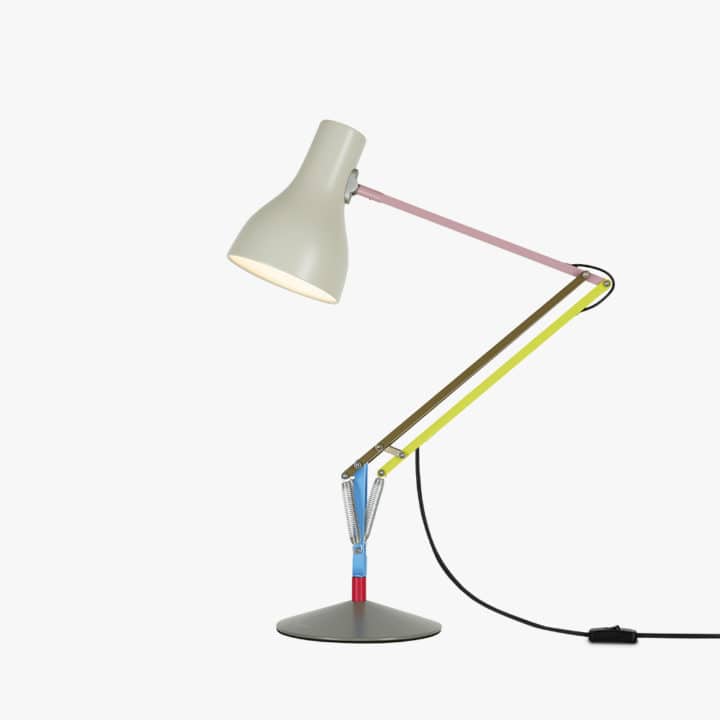
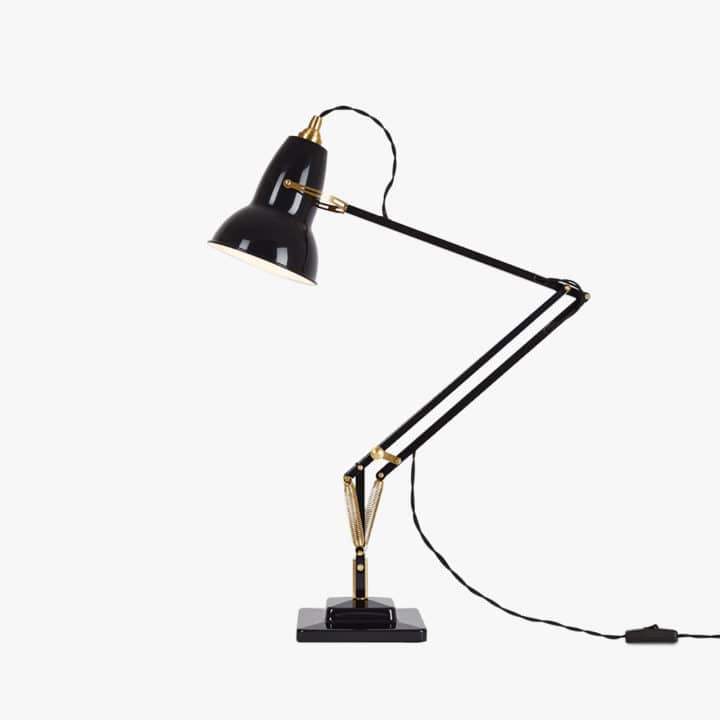
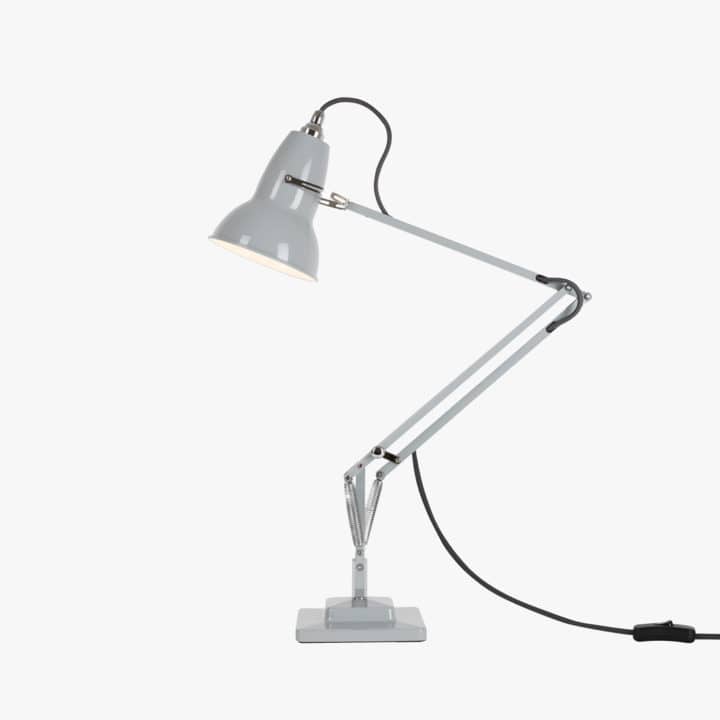
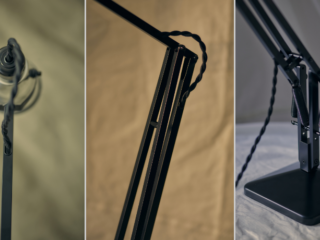
Not every adjustable lamp performs in the same way. The quality of the mechanism, the balance of the arm and the stability of the base all contribute to how satisfying it is to use day after day.
Look for a lamp that moves smoothly without drifting out of position, reaches comfortably across your workspace and directs light accurately without creating unnecessary glare. Durable materials and thoughtful engineering will always outlast complicated features, particularly if the lamp is something you’ll rely on every day.
Just as importantly, choose a design you’ll still enjoy living with years from now. A desk lamp is one of the few objects you’ll interact with dozens of times each day, so it should feel as considered as the rest of your workspace.
Lighting that works around you
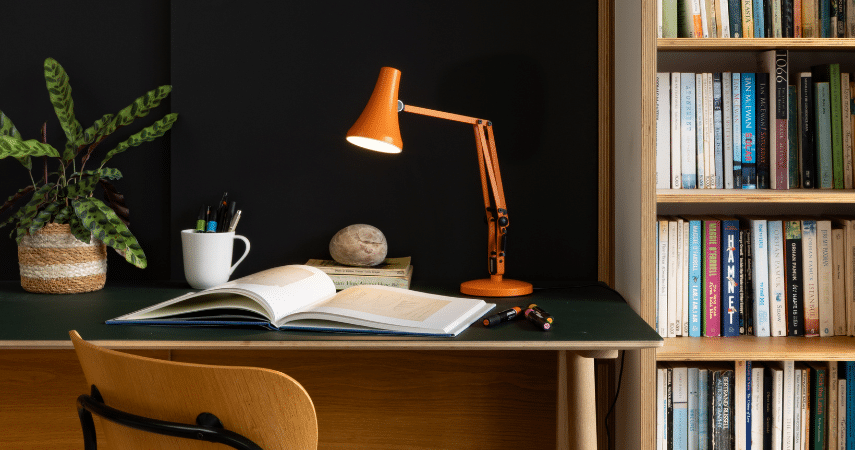
The most successful workspaces are designed to support the way people naturally think and create. Good lighting is a fundamental part of that. Rather than forcing you to adapt to fixed illumination, adjustable desk lamps respond to the changing demands of your day, providing effective task lighting, improving ergonomic lighting and creating the kind of focused work lighting that helps ideas take shape.
Whether you’re building a quieter corner for working from home or creating a professional studio, an adjustable lamp offers something surprisingly valuable: the freedom to put light exactly where it’s needed, exactly when you need it. That’s a simple principle, but it’s one that has stood the test of time.