



News
How to Create a Reading Nook: Lighting Tips and Cosy Corner Ideas

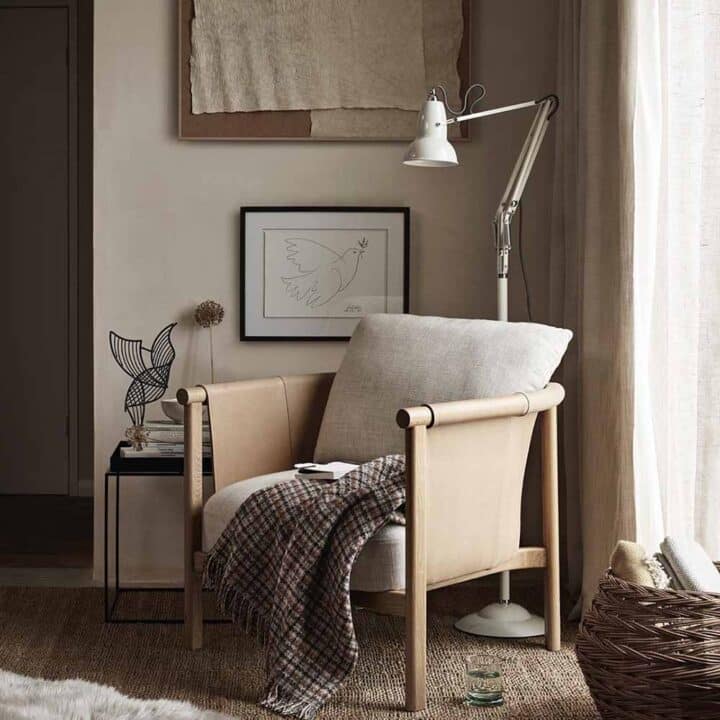
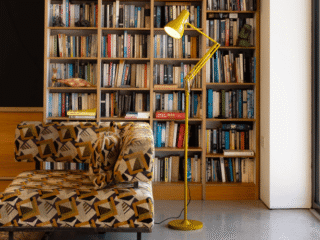
There’s something appealing about having a dedicated spot to settle down with a good book. Whether it’s a comfortable armchair in the living room, a corner of the bedroom or a space beside a window, a reading nook offers somewhere to switch off and enjoy a little time to yourself.
Creating one doesn’t require a large room or an elaborate redesign. With comfortable seating, thoughtfully chosen furniture and the right lighting, even a small corner can become a favourite place to spend time.
Of all these elements, lighting deserves particular attention. A well-positioned reading lamp makes it easier to see the pages of your book, while helping to create an inviting atmosphere that encourages you to stay for another chapter.

Finding the Perfect Spot for Your Reading Nook
The first step in creating a reading nook is deciding where it should go. Look for somewhere that feels comfortable and slightly removed from the busiest parts of your home, but don’t feel you need a completely separate space.
An unused living room corner, a bedroom alcove or a spot beside a bookshelf can all work well. If possible, choose somewhere that benefits from natural daylight, particularly if you enjoy reading during the day. Positioning a chair near a window can make the most of available light, although it’s worth considering how direct sunlight might affect comfort at different times.
You’ll also want to think about where your reading lamp will go. Having a plug socket nearby makes it easier to position a floor lamp without trailing cables across the room.
Ultimately, the best reading nook is one that fits naturally into your home and feels comfortable enough to use regularly.
How to Light a Reading Nook
Good reading nook lighting should do two things: provide enough focused light to read comfortably and complement the atmosphere of the surrounding room.
While natural daylight is ideal during the day, a dedicated reading lamp becomes particularly important in the evenings or in rooms where overhead lighting isn’t sufficient.
Choose Directional Lighting for Reading
Not all lighting serves the same purpose. Ambient lighting provides general illumination throughout a room, while task lighting directs light towards a particular activity, such as reading.
For a reading nook, a directional reading lamp is particularly useful because it allows you to concentrate light on the pages of your book rather than illuminating the entire room.
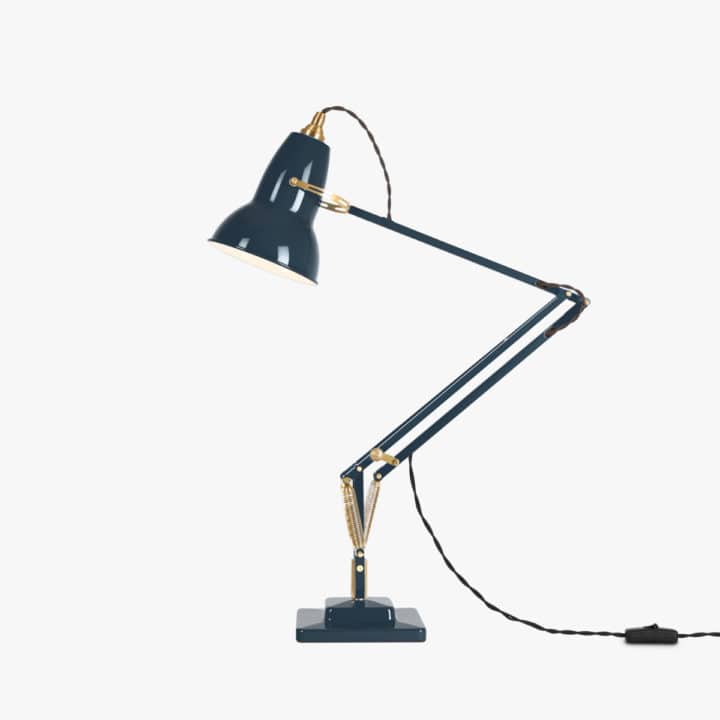
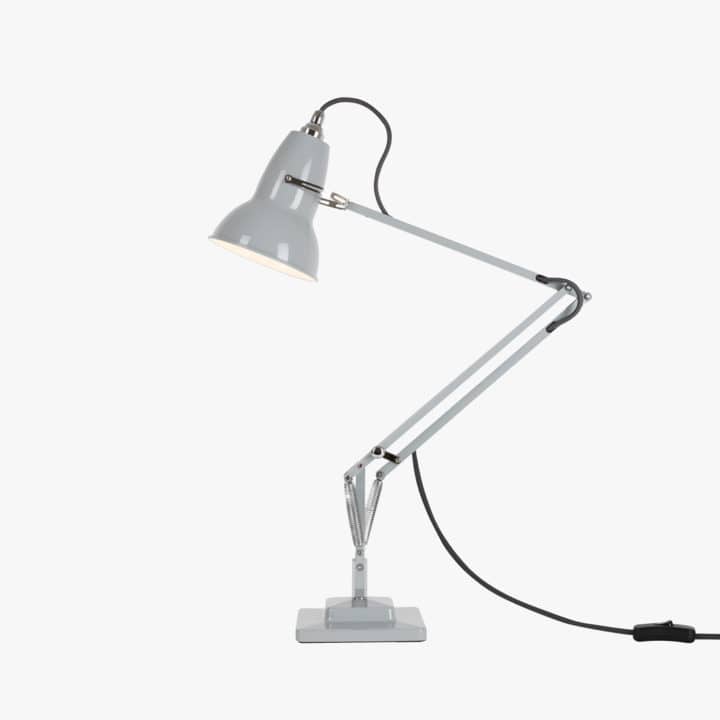
Adjustability makes a significant difference here. A lamp with a movable arm and shade can be repositioned depending on how you’re sitting, the size of your book or whether you’re reading in an armchair or reclining with your feet up.
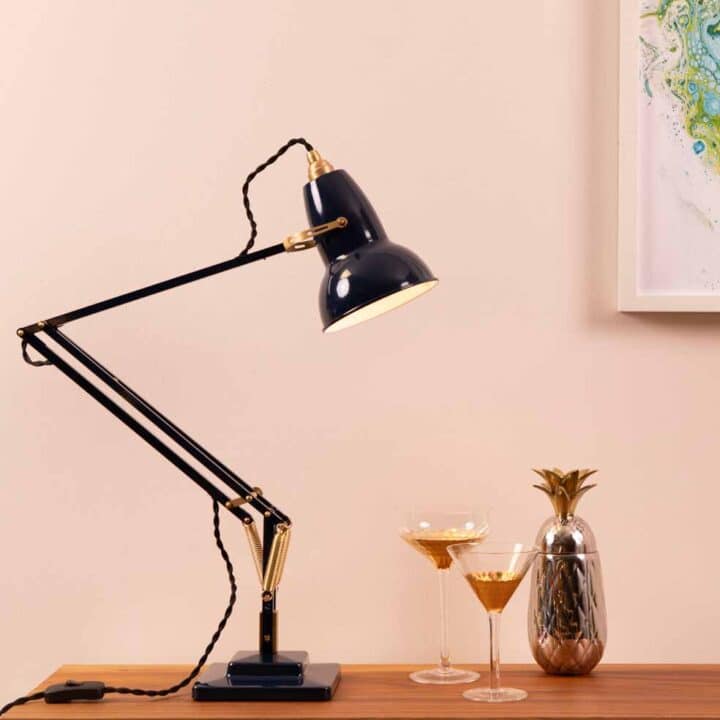
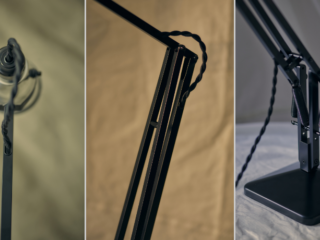
This is where the familiar Anglepoise spring mechanism comes into its own, allowing you to move the light into position and keep it there.
Position Your Reading Lamp Correctly
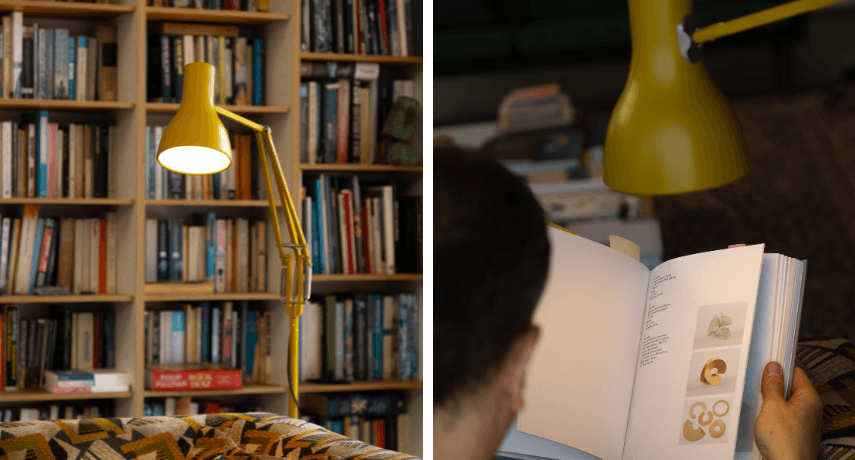
Where you place your reading lamp is just as important as the lamp itself. A floor lamp positioned beside or slightly behind your reading chair is often a good starting point. Ideally, the light should fall onto the pages of your book without shining directly into your eyes.
If you’re using a directional lamp, adjust the shade so that it illuminates your reading material rather than your face. You may also find it helpful to position the lamp on the opposite side to your writing hand, particularly if you enjoy making notes as you read.
The advantage of an adjustable floor lamp is that you can fine-tune its position until the light feels comfortable, rather than having to move your chair to suit a fixed light source.
Choose the Right Colour Temperature
Colour temperature affects how light appears, from warm yellow tones to cooler, whiter light.
For a cosy reading nook, warm white lighting around 2700K to 3000K is often a good choice. It creates an inviting atmosphere, particularly in living rooms and bedrooms where you want the lighting to feel comfortable in the evening.
However, warmth shouldn’t come at the expense of visibility. Choose a bulb that provides enough light to read clearly, and consider a dimmable option if your lamp and bulb are compatible.
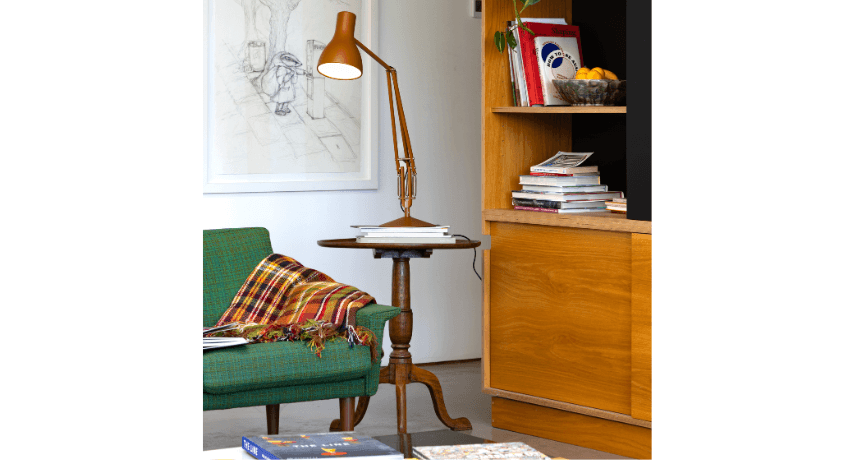
Balance Task Lighting with Ambient Light
Although a reading lamp should provide focused illumination, it doesn’t need to be the only light in the room.
Combining task lighting with softer ambient lighting helps create a more balanced environment. A nearby table lamp, wall light or gentle background illumination can soften the contrast between the brightly lit pages of your book and the surrounding space.
The result is a reading corner that feels inviting without sacrificing the practical light needed for reading.
Choosing the Best Floor Lamp for Reading
When choosing a reading lamp, consider how easily it can be adjusted, how much space it occupies and whether it complements your existing furniture.
Floor lamps are particularly well suited to reading nooks because they provide dedicated lighting without taking up valuable space on a side table.
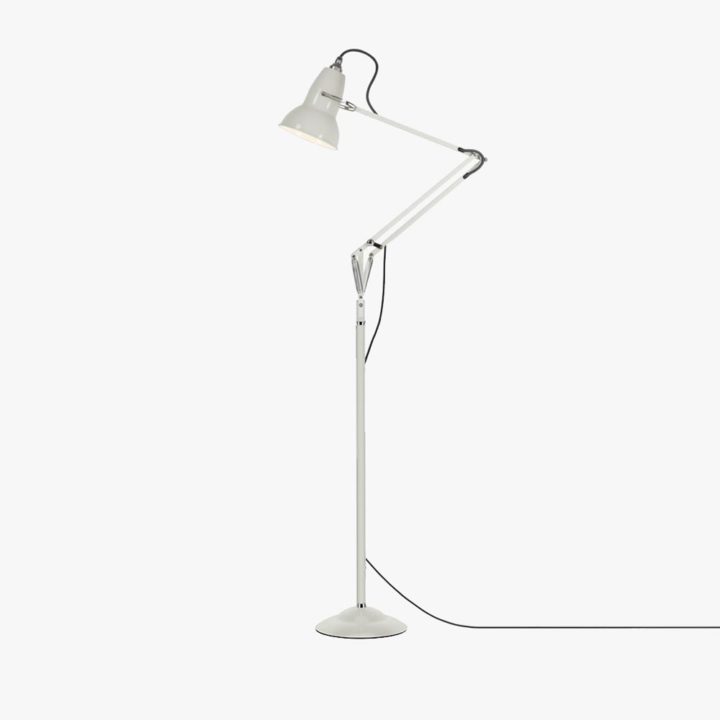
Original 1227 Floor Lamp
The Original 1227 Floor Lamp brings one of Anglepoise’s most recognisable designs into the reading corner.
Its adjustable spring mechanism and articulated arm allow you to position the shade where you need it, directing light towards your book whether you’re sitting upright or settling back into your favourite chair.
With its distinctive silhouette and timeless design, the Original 1227 works equally well in traditional and contemporary interiors. It’s a practical reading light that also brings character to the space around it.
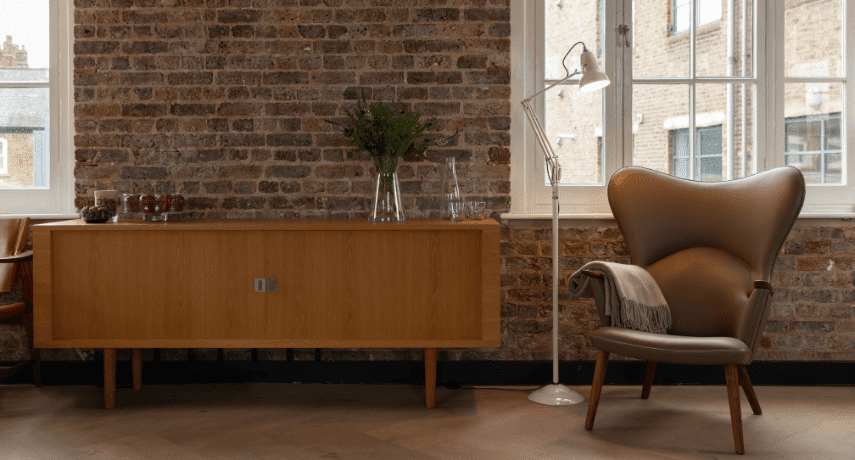
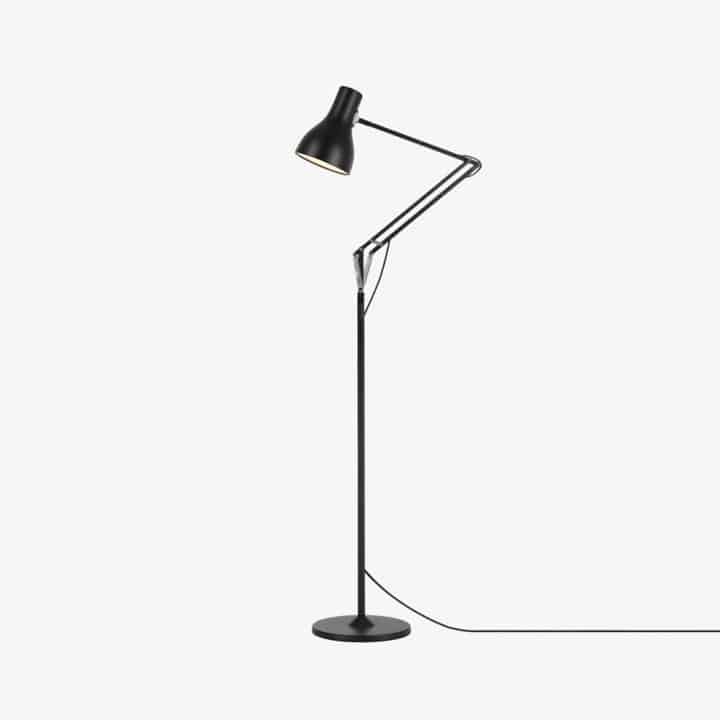
Type 75 Floor Lamp
For a more contemporary look, the Type 75 Floor Lamp offers a clean, understated design with the same emphasis on functionality.
Its adjustable arm and shade make it easy to direct light towards your reading position, while its refined shape works particularly well alongside modern armchairs and simple furniture.
Available in a variety of colours, the Type 75 can either blend into your existing scheme or introduce a considered accent to your reading corner.
Both designs demonstrate why adjustability matters when choosing a floor lamp for reading. Rather than relying on a fixed light source, you can position the light to suit the way you use your space.
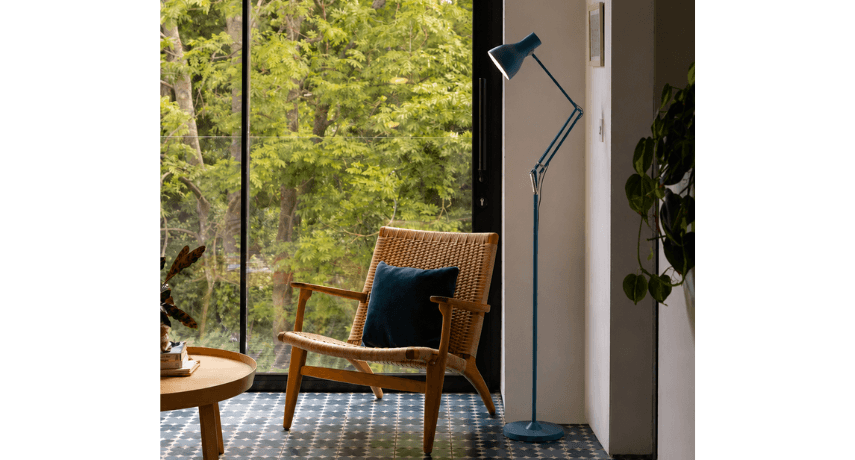
Making Your Reading Nook Comfortable
Lighting might be the focus, but comfort is what makes a reading nook somewhere you’ll want to return to.
Start with a chair that offers good support and enough room to settle into a comfortable position. An armchair with supportive arms can be particularly useful for longer reading sessions, while a footstool provides somewhere to stretch out.
A small side table is another practical addition, giving you space for a drink, reading glasses or the next book on your list.
Soft furnishings can make the space feel more inviting without overwhelming it. A cushion for additional support, a throw for cooler evenings and a rug beneath the chair can help define the reading area within a larger room.
Try to keep the arrangement simple, leaving enough room to move comfortably and adjust your reading lamp as needed.
Small Reading Nook Ideas That Make the Most of Your Space
You don’t need a dedicated library or a spacious living room to create a reading nook. In smaller homes, making thoughtful use of existing furniture can be just as effective.
A comfortable chair beside a bookshelf might be all you need, while a bedroom corner can provide a useful reading spot away from the main living area.
When space is limited, consider the proportions of your furniture and lighting. An adjustable floor lamp can provide focused illumination without requiring an additional table, helping to keep the area uncluttered.
The important thing is to make the space feel intentional, even if it occupies only a small part of the room.
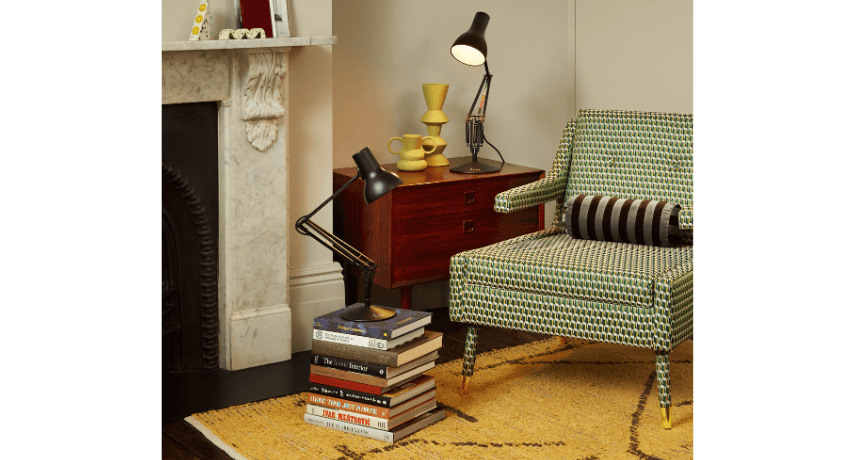
Creating a Cosy Reading Nook for Evenings
As the evenings draw in, a reading nook can become an especially welcome part of the home.
Warm lighting plays an important role in creating that atmosphere. Rather than relying entirely on bright overhead lights, use a dedicated reading lamp to illuminate your book and softer background lighting to make the surrounding room feel comfortable.
Natural materials, textured cushions and a favourite blanket can add warmth, particularly during autumn and winter. You might also choose a lamp colour that complements the surrounding furniture, helping the reading corner feel like a natural extension of the room.
These simple details make a reading nook enjoyable throughout the year, whether you’re spending a winter evening indoors or making the most of a little time to yourself on a summer afternoon.
Reading Nook FAQs
What type of lamp is best for a reading nook?
An adjustable floor lamp is a practical choice for a reading nook because it provides focused light without taking up space on a side table. Look for a lamp with a movable arm and shade so you can direct the light towards your book.
Where should a floor lamp be placed for reading?
Position your floor lamp beside or slightly behind your reading chair, adjusting the shade so the light falls onto the pages without shining directly into your eyes.
Is warm white light good for reading?
Yes, warm white light around 2700K to 3000K can work well for reading, particularly in bedrooms and living rooms. The most important consideration is ensuring the light is bright enough to illuminate the pages comfortably.
How bright should a reading lamp be?
The ideal brightness depends on your surroundings, the position of the lamp and your personal preferences. A bulb producing around 450–800 lumens can be a useful starting point, although the amount of light reaching your book matters more than the bulb’s overall output.
A Space to Settle Into
A good reading nook doesn’t need to be complicated. A comfortable chair, a few personal touches and a well-positioned reading lamp can transform an unused corner into somewhere you’ll enjoy spending time.
With adjustable lighting designed to last, an Anglepoise lamp can become a familiar companion through countless books and many years of reading.
Explore our collection of Anglepoise reading lamps and find the right light for your favourite corner.