



Anglepoise-stories | News
In Conversation with: Aranda \ Lasch, Craft, Code, and Cultural Memory
In this Q&A, Aranda \ Lasch reflect on a practice shaped by the space between code and craft, and between looking back and building forward. Founded in the early 2000s, their work spans architecture, objects, and software, driven by an ongoing curiosity about how cultural, material, and technological systems shape the world around us.
Introduction and Background
Your studio blends architecture, art, objects, and software through rigorous exploration of culture, materials, and algorithmic systems. Could you give us a story behind how Aranda \ Lasch came to be, and what keeps you curious as a practice today?
First I just want to say that no AI is used in this interview, so apologies in advance for the typos.
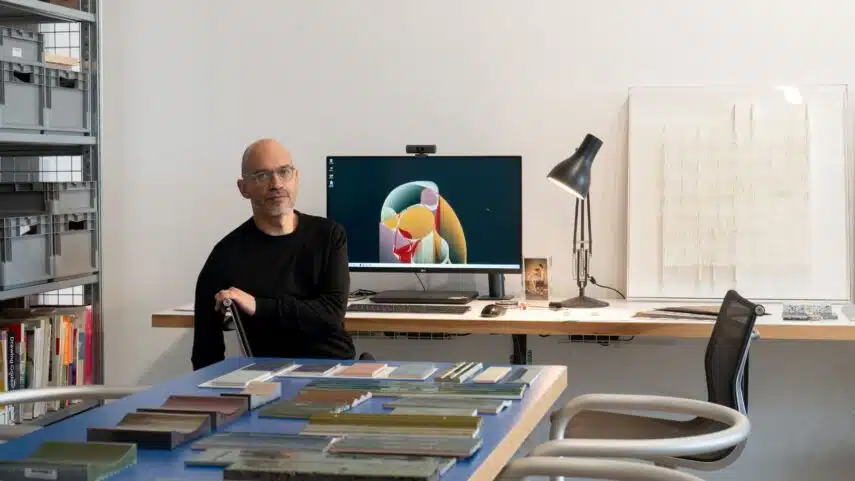
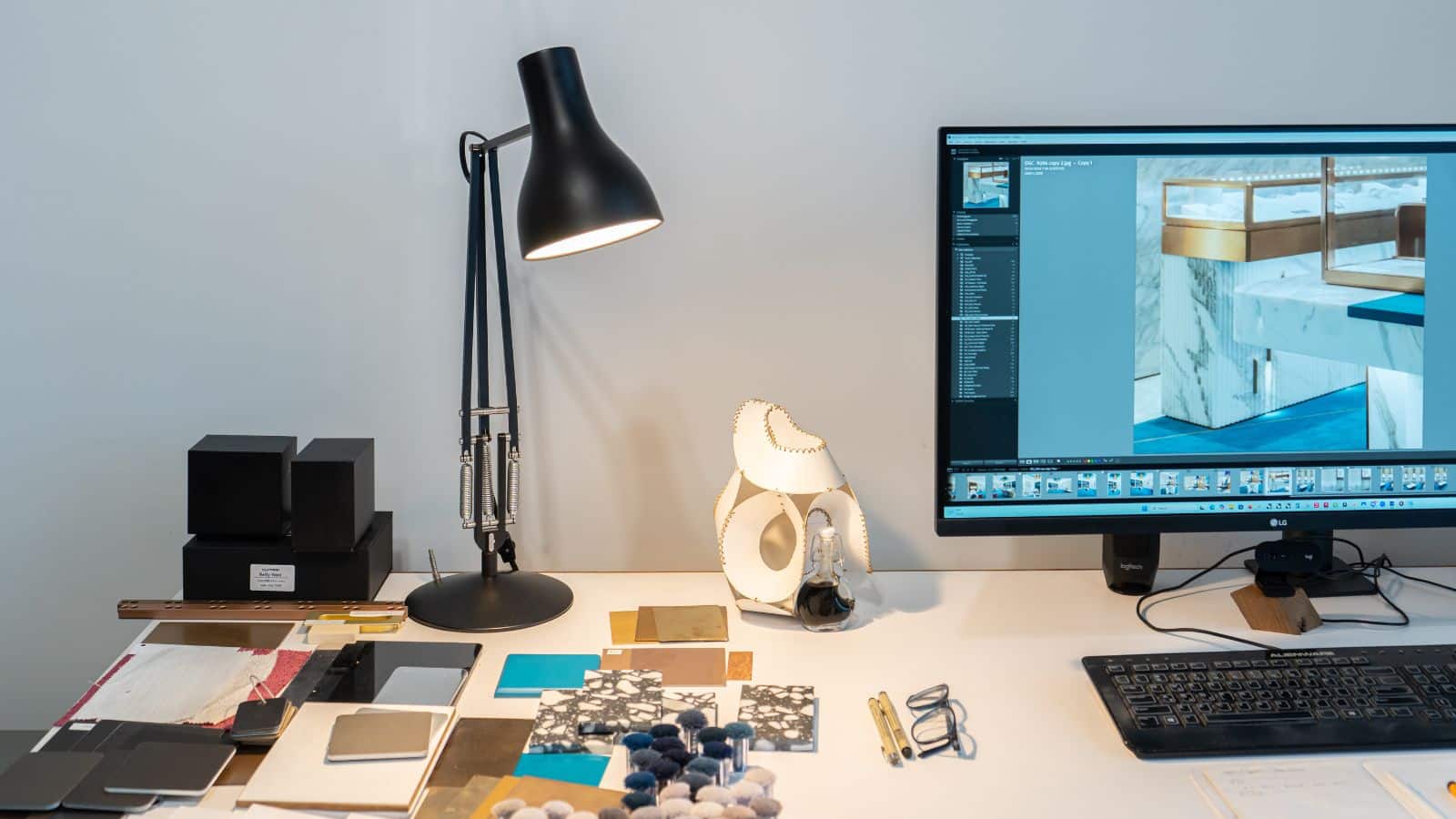
Our practice started in the early aughts, shortly after the dotcom crash but a few years before the housing crisis of 2008 in the US. These two collapses are useful because they bookmark where we started in historical terms between technology’s hype and then a reckoning of the fragile systems that make our world. We still remain fascinated by this fragility and evermore skeptical of how technology is often boosted through emancipatory language. From very early on, we chose to write our own story that is always technically literate, training ourselves to code and make our own instruments of design. But we are also distrustful of any futurist proclamations, of broader societal claims of technological fulfillment, so we decided to look back instead of forward, backwards at culture and history as inspirations for our work. This tension between hacking our own tools and honoring traditional culture carries through today, twenty or so years later. You can see it play out in the photos of our Brooklyn office.
Aranda \ Lasch’s work spans buildings, installations, and objects. Tell us about one project that felt like a turning point for the studio, and why it was meaningful. (We’re especially curious about anything where you felt like your approach really came alive.)
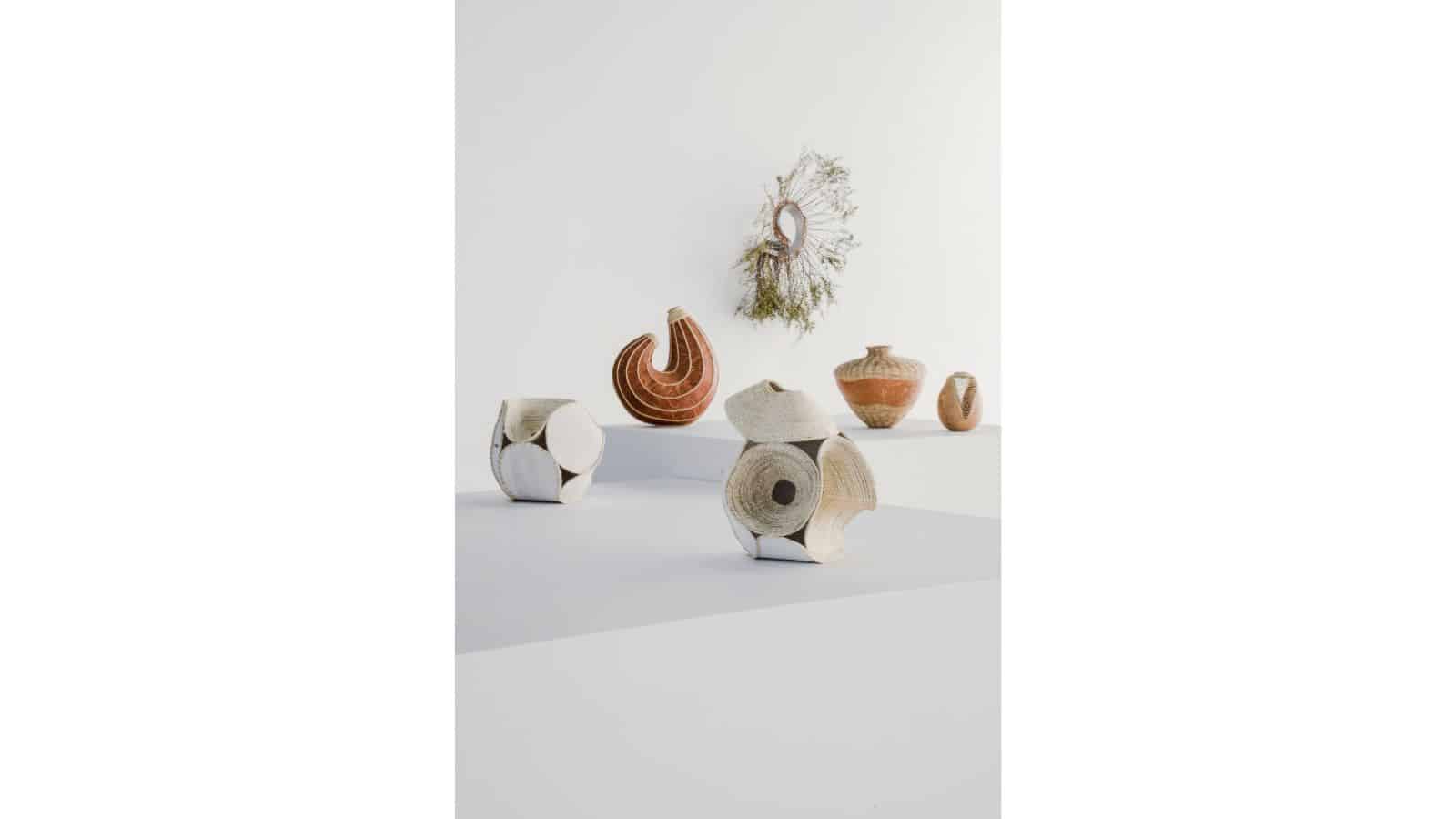
Our Baskets project is quite special to us. It’s not one project, but a sustained type of output over a long period of time. At the beginning of our practice, around 2006, we worked with an native weaver and artist, Terrol Dew Johson, to make a series of baskets. What began as a focused investigation about technique, became something much broader as we regularly made baskets together right up until Terrol passed away last year. Initially we approached it as a knowledge exchange, exploring the resonances between weaving and architecture and inspired by the Sonoran desert where we reside but the themes evolved as we did.
Over time and if we’re honest, quite unexpectedly, this basket-making took a deep hold of the practice, and steered us towards a larger conversation between material intelligence and cultural memory that became a core part of our approach. Today, we insist that technology and heritage craft are not in conflict; instead they form a continuum of human invention. And the basket project continues to grow and evolve through Terrol’s family and community. Currently, we are building a community home and farm with his brother Noland on the Tohono O’odham Nation using salvaged trees and earthen bricks.
Process and Creative Curiosity
A lot of people associate architecture with traditional materials and methods. In your studio, how do material experiments and digital tools speak to each other? What’s the secret sauce?
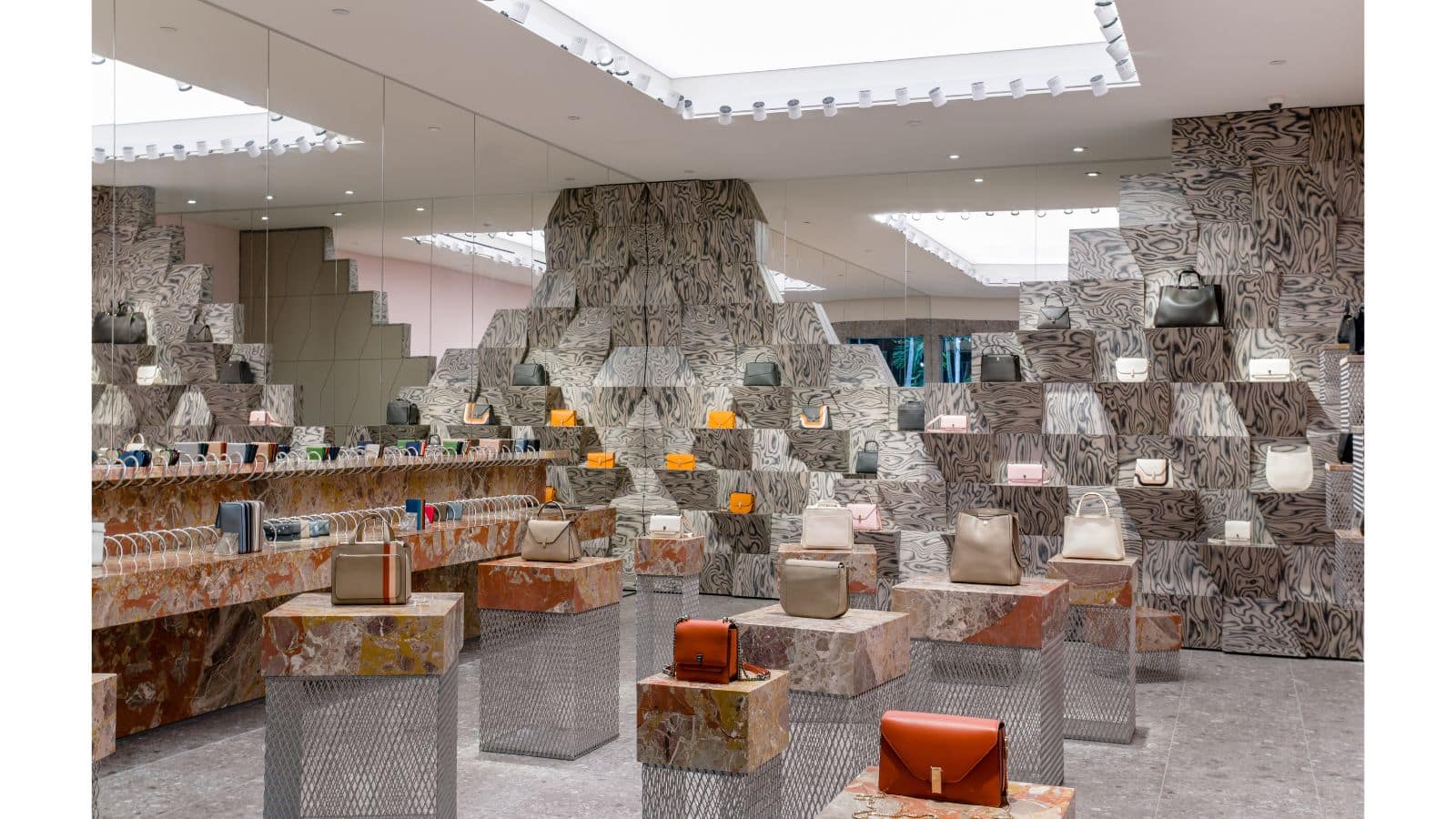
Our team is dedicated to the highest level of craft in both material and digital languages. Our work, from software to physical architecture, reflects a critical engagement with making by invoking histories, traditions, and material responsibility.
In the spirit of fun comparisons: If your design approach were a musical genre or a playlist, what would it be and why?
Heavy metal & analogue synth.
Collaboration and Culture
Aranda \ Lasch has collaborated with artists, museums, and brands around the world. Is there a memorable collaboration (maybe with an artist or institution) that changed how you think about your own work?
Most of our work with institutions reflects our commitment to materials and traditional culture and is best expressed by our extended work with Native American basket weaver Terrol Dew Johnson. This collaboration blends traditional Indigenous craft with design through artworks, objects and spaces inspired by the Sonoran desert, explore the resonances between weaving and architecture with Terrol. Currently, we are building a home for the family of Terrol Dew Johnson on the Tohono O’odham Nation using salvaged trees and earthen brick. This was recently exhibited at the Cooper Hewitt Design Museum as part of their Triennial on the theme of Home.
You work both in New York and Tucson. How does each studio location influence the culture, pace, or creative energy of your work?
- New York is very dense, Tucson not at all. They are different in nature, space and light. Fast vs. slow environments. The two offices balance and complement each other. It also allows us to trick people into thinking we work long hours, getting up super early and working super late.
- Our different perspectives allow us to critique each others’ work thoughtfully. The Tucsonians blame the New Yorkers for seeing the world in stark contrasts, black and white. But the New Yorkers think the Tucsonians see the world in muted desert colors because their retinas are damaged by the bright sun.
- I don’t know if this is anything to be proud of but we’ve been zooming since 2000. First Skype, then Goto, then Zoom. Whatever, having two teams means we need to be hyper communicative. We’re always online sending jokes and sketches.
Anglepoise in the Studio
Anglepoise lights are known for their flexibility, durability, and thoughtful engineering. How did Anglepoise first find its way into your studio, and what role does good lighting play in your creative process? (We’d love a specific memory if you have one.)
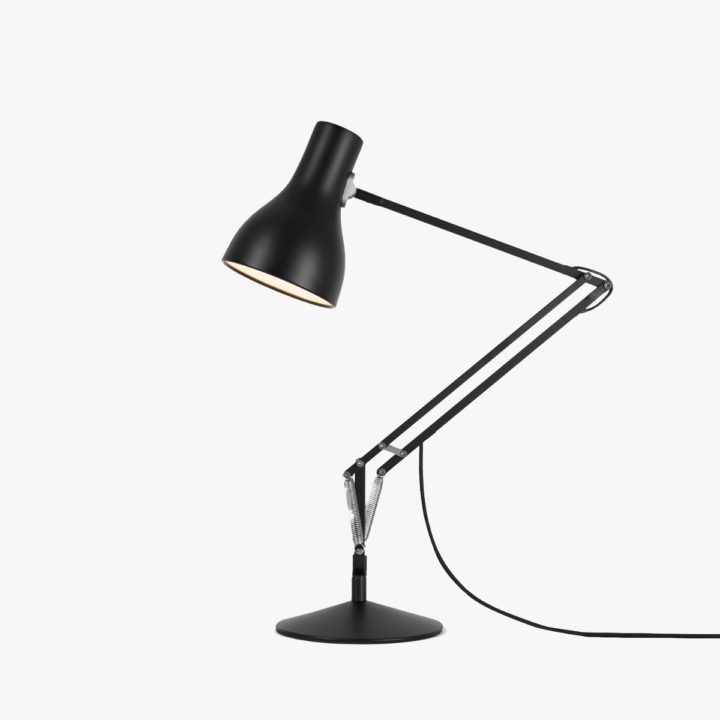
We’ve had Type 75 Desk Lamps at our desk for over a decade, from our studio on the Lower East Side to our current studio in the Navy Yard. Lighting is extremely important to us, especially when we are looking at different materials.
Reflection and Fun
In your projects, there’s a thoughtful dialogue between past traditions and future possibilities. Is there an object, building, or creative rule from history that still influences how you design today?
Renaissance artistry and graphic techniques playing out through generative algorithms (Eg. Albrecht Durer & Primitives)
What’s one playful or unexpected source of inspiration that most people wouldn’t guess fuels your ideas?
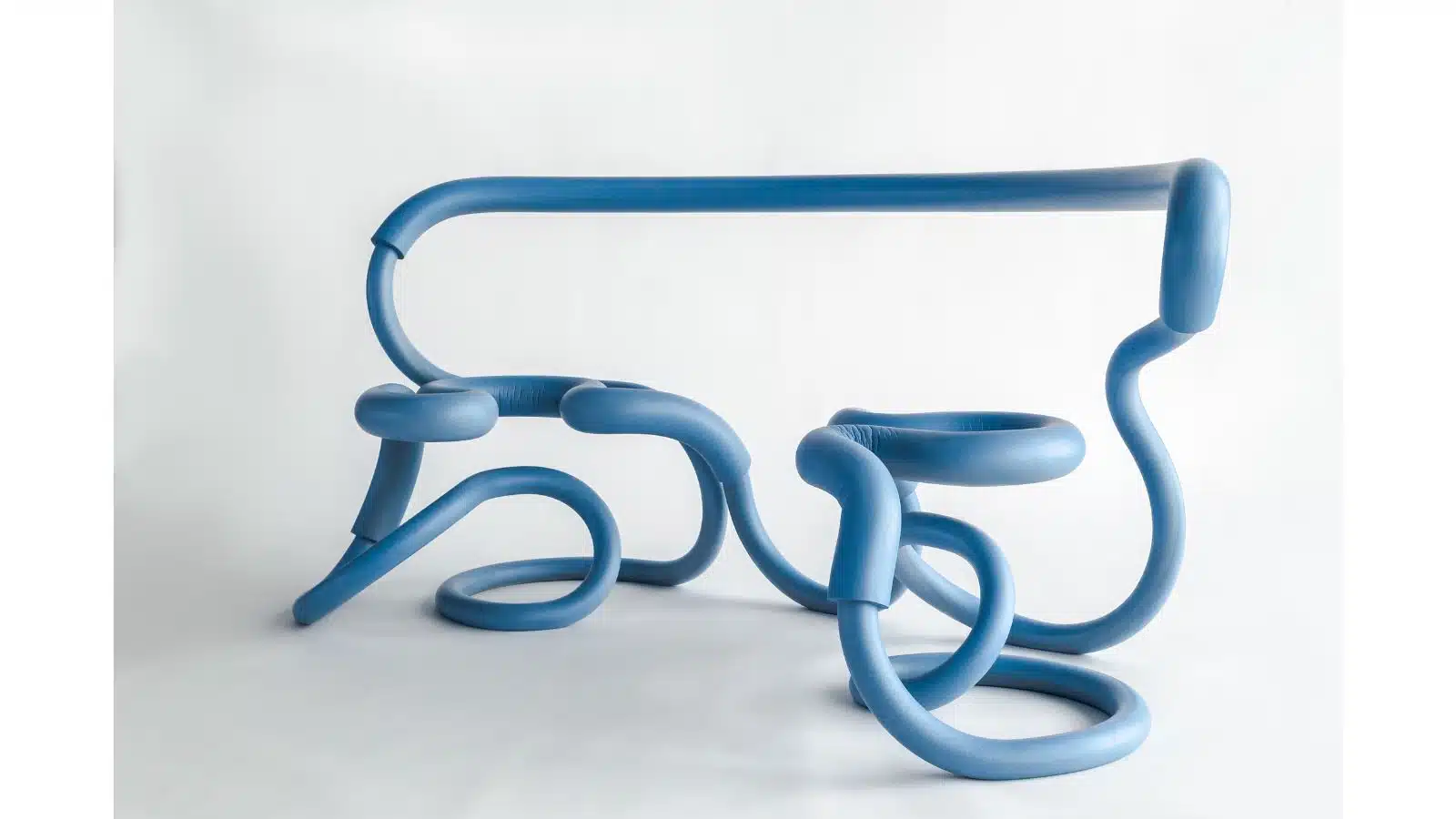
Chairs. We love chairs.
What’s coming next for Aranda \ Lasch that has you most excited? Is there a dream-scale project, material, or collaboration you’re itching to explore?
We have an exciting project in Utah with The Divine Assembly that connects with our interest in regenerative practices with a religious group. The project, once complete, will focus on healing – both the land and the people who visit. It will include a very large-scale labyrinth.
Photo Credits: Aranda \ Lasch