



News
How to Adjust Your Lighting When the Clocks Go Back
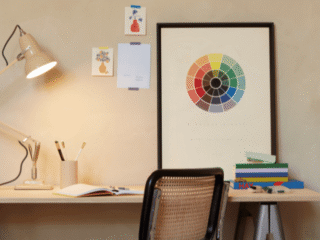
When the clocks go back, the change in daylight can take some getting used to. As autumn settles in and winter approaches, the way we light our homes becomes increasingly important.
Fortunately, adapting your home lighting doesn’t require a complete redesign. A few thoughtful adjustments can make your spaces more comfortable, practical and welcoming throughout the darker months.
Why Your Lighting Needs Change When the Clocks Go Back
As daylight hours shorten, artificial lighting takes on a greater role in our daily routines. Rooms that once enjoyed natural light well into the evening may now need illuminating from late afternoon, changing how we experience and use different spaces.
Natural daylight provides broad, relatively even illumination, whereas artificial light is often concentrated in particular areas. This means relying on a single overhead light can leave corners in shadow or create unwanted glare, especially when working, reading or relaxing.
The key is to consider how you use each room and whether your existing lighting supports those activities. By introducing different light sources and adjusting their positions, you can create an environment that feels comfortable at any time of day.
Layer Your Lighting for Darker Evenings
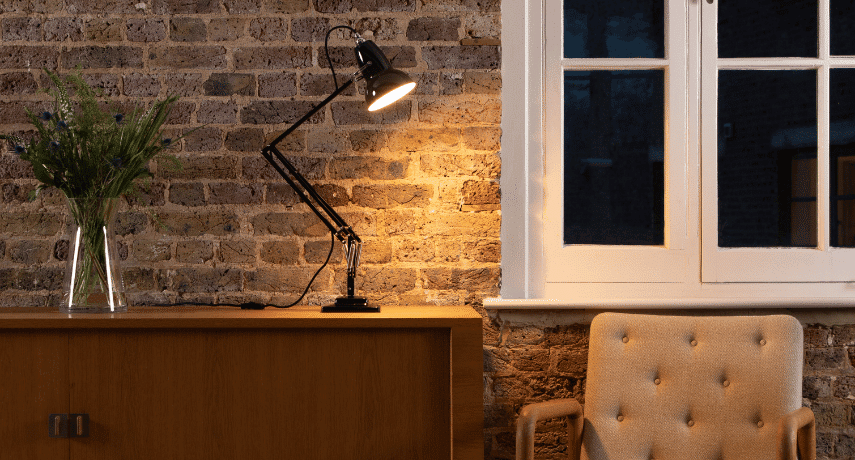
One of the most effective ways to improve your lighting when the clocks go back is to introduce layers. Rather than relying on a single ceiling light, layered lighting combines different sources to provide both practical illumination and a more welcoming atmosphere.
There are three main types of lighting to consider:
- Ambient lighting: The general illumination that allows you to move comfortably around a room. This might come from ceiling lights, wall lights or lamps that spread light across a wider area.
- Task lighting: Focused illumination for specific activities such as reading, working or crafting. Adjustable desk and floor lamps are particularly useful because they allow you to direct light precisely where it’s needed.
- Accent lighting: Light used to draw attention to architectural features, artwork or particular areas of a room, adding depth and visual interest.
Combining these layers gives you greater control over how a space feels and functions. For example, a living room might benefit from gentle ambient lighting alongside a directional floor lamp positioned next to a favourite reading chair.
The adjustable design of Anglepoise lamps makes them particularly versatile within a layered lighting arrangement, allowing you to reposition the light as your needs change.
Choose the Right Lighting Throughout the Day
Lighting requirements aren’t the same from morning to evening. As natural daylight changes, adjusting your artificial lighting can help maintain comfortable conditions for different activities.
Make the Most of Natural Daylight
Even during autumn and winter, it’s worth making the most of the daylight available. Position desks and frequently used seating areas near windows where practical, and avoid placing large objects where they unnecessarily block natural light.
On overcast days, however, daylight alone might not provide sufficient illumination for detailed tasks. An adjustable desk lamp can supplement natural light, particularly when reading, writing or working on creative projects.
Adjust Your Lighting as Evening Approaches
As daylight fades, consider how the purpose of each room changes. A workspace may still require bright, focused lighting, while a living room used for relaxing might benefit from a softer arrangement.
Warm white bulbs, typically around 2700K, are a popular choice for living spaces because they create a comfortable, inviting atmosphere. For activities requiring greater concentration or precision, the brightness and direction of the light are just as important as its colour temperature.
Instead of switching on every ceiling light, try using a combination of table and floor lamps to illuminate the areas you’re actually using.
Improve Your Workspace Lighting During Shorter Days
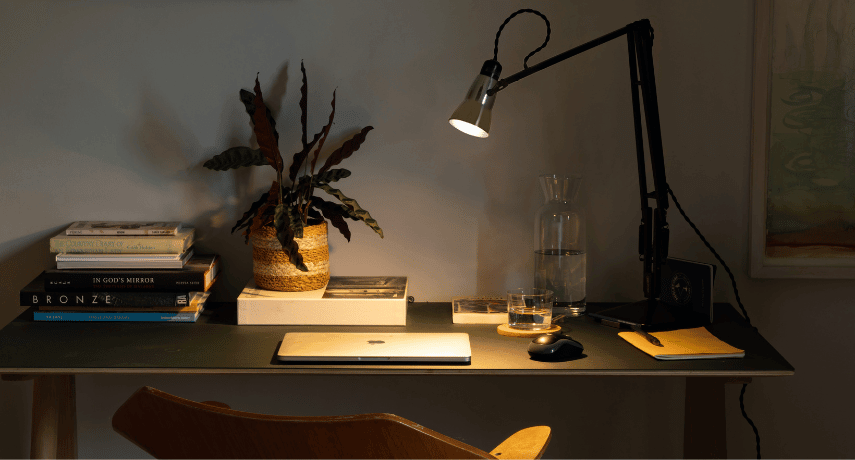
Whether you’re working from home, studying or spending time on creative projects, good task lighting becomes especially important when daylight is limited.
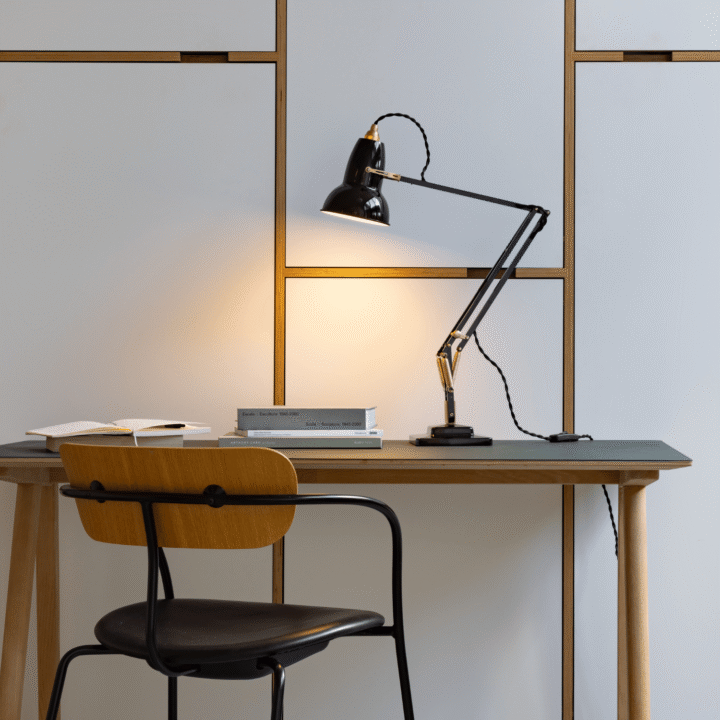
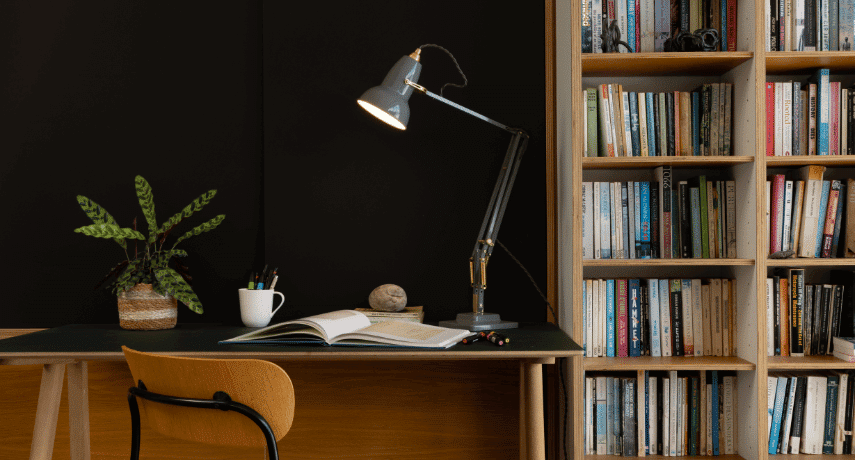
Start by looking at where your desk lamp is positioned. Ideally, the light should illuminate your working surface without shining directly into your eyes or creating distracting reflections on a screen. If you’re writing or drawing, positioning the lamp on the opposite side to your dominant hand can help reduce shadows across your work.
An adjustable lamp offers the flexibility to direct illumination exactly where it’s required, rather than lighting the entire room unnecessarily.
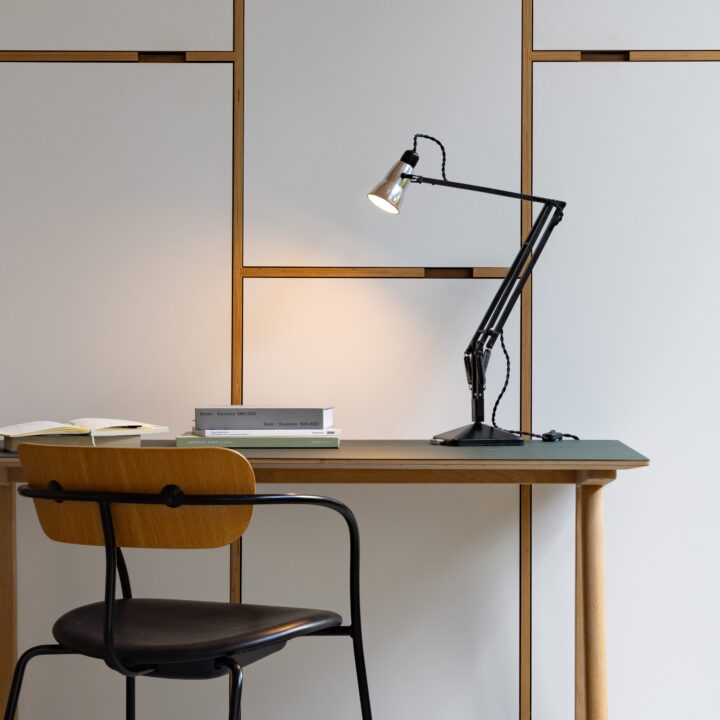
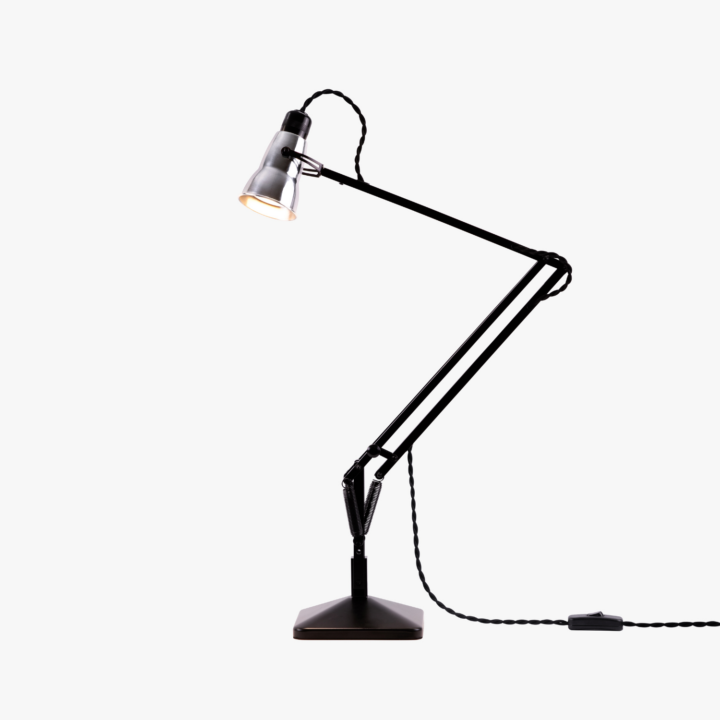
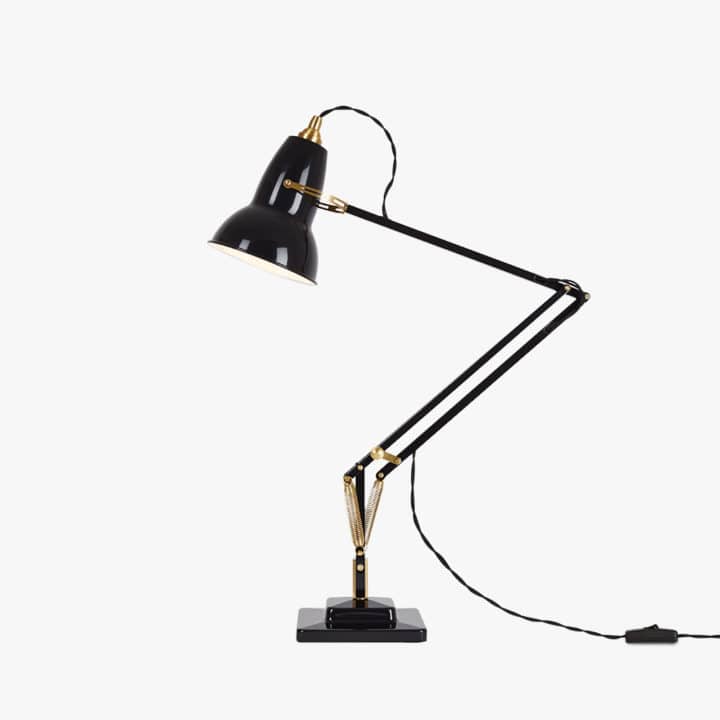
The Original 315 Navigation Edition, inspired by Anglepoise lamps adapted for navigators in the 1940s, features a brighter, more directional beam designed for focused tasks. Its adjustable construction makes it particularly suited to creative studios and workspaces where precise illumination matters.
Alternatively, the Type 75 Desk Lamp offers a timeless approach to task lighting, with a flexible arm and adjustable shade that make it easy to adapt the light throughout the working day.
It’s also important to consider the surrounding room. Working under a bright desk lamp in an otherwise completely dark space can create an uncomfortable contrast, so try combining focused task lighting with some softer background illumination.
Create a Cosier Living Room with Thoughtful Lighting
As evenings become darker, living rooms often become the centre of activity at home. Whether you’re settling down with a book, watching television or spending time with family, lighting plays an important role in making the space feel comfortable.
Rather than flooding the entire room with bright overhead lighting, think about where illumination is actually needed.
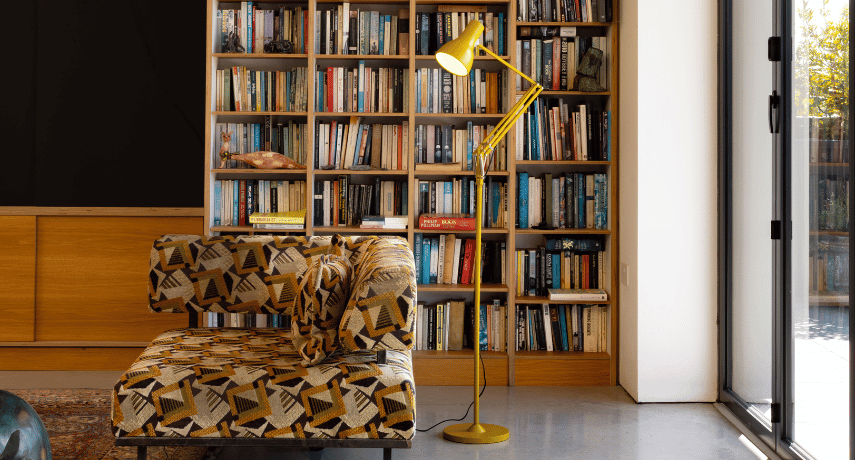
A floor lamp positioned beside a sofa or armchair can provide focused light for reading, while a table lamp on a sideboard or shelf helps introduce a softer glow elsewhere in the room. Combining these sources creates a more balanced lighting arrangement, with enough illumination for everyday activities without making the room feel overly bright.
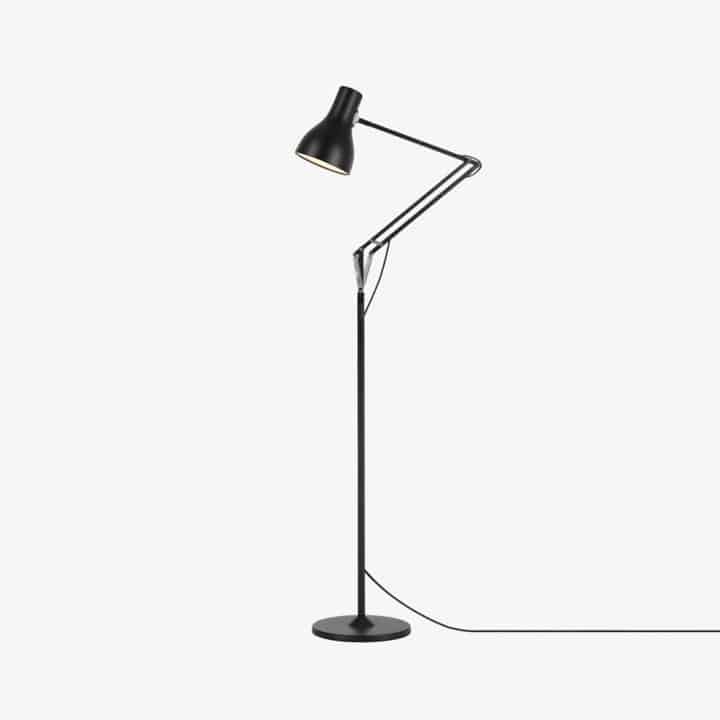
The Original 1227 Floor Lamp is a practical option for reading corners, with its adjustable shade and articulated arm allowing you to direct light towards your book or magazine. The Type 75 Floor Lamp offers similar flexibility with a more contemporary profile.
Consider the corners of the room, too. Areas that receive plenty of natural light during summer can feel noticeably darker in winter. Introducing a lamp into one of these spaces can help distribute light more evenly and make the room feel more inviting.
Make Your Bedroom Lighting Work for You
Bedrooms benefit from lighting that can accommodate different activities, from getting dressed in the morning to reading before bed.
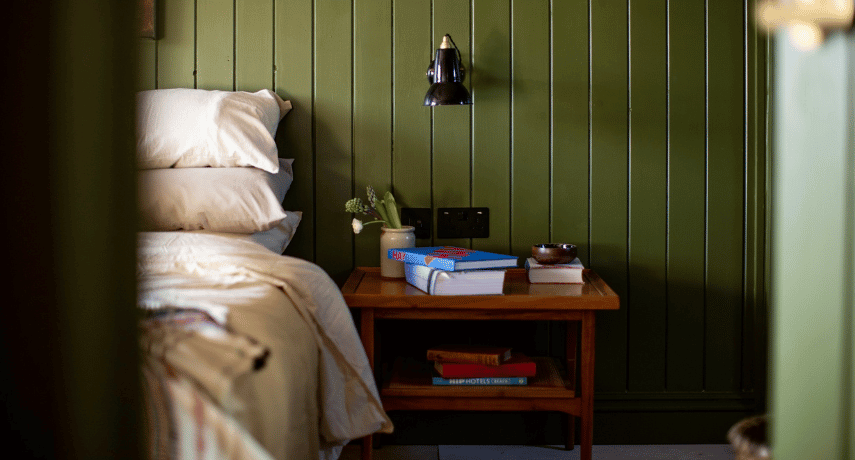
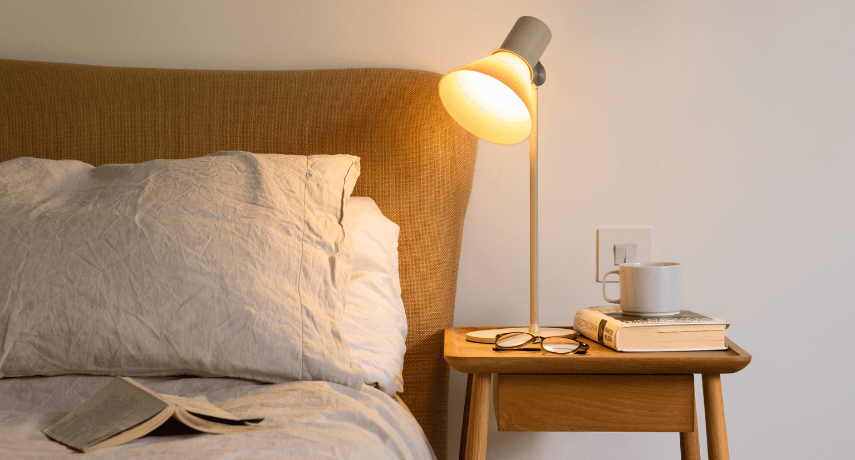
During darker months, a single ceiling light may provide enough general illumination, but it isn’t always the most comfortable option for winding down in the evening. Bedside lamps allow you to introduce more focused light without illuminating the entire room.
An adjustable lamp is particularly useful for reading, as you can direct the beam towards your book rather than across the bed. This can also help minimise unwanted light reaching someone sleeping beside you.
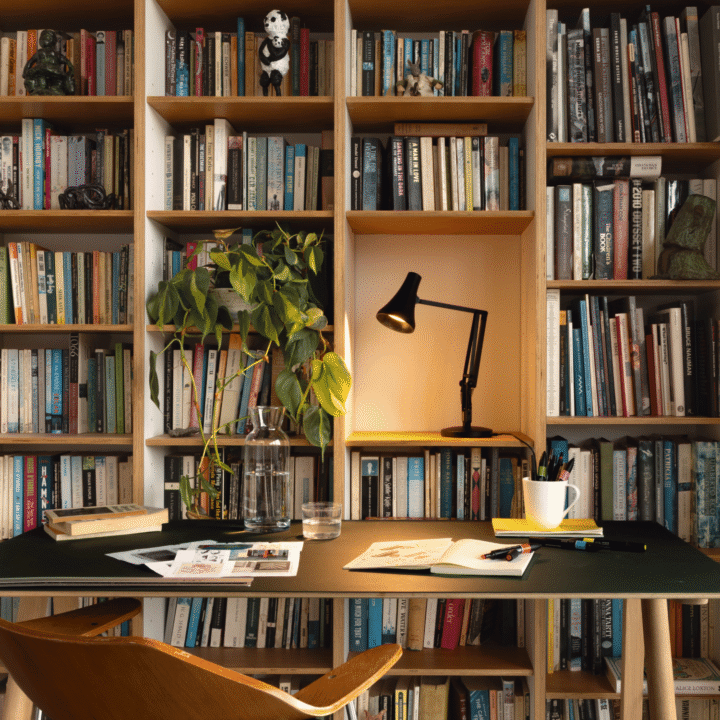
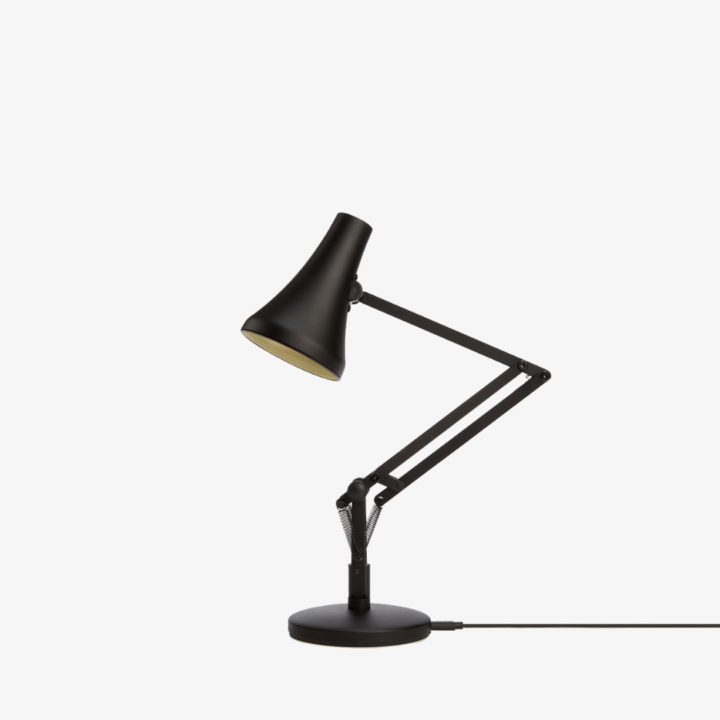
The Type 80 Table Lamp, designed by Sir Kenneth Grange, offers a combination of directional illumination and distinctive design, making it a considered addition to a bedside table. For smaller spaces, the compact 90 Mini Mini Desk Lamp provides adjustable lighting without taking up valuable surface space.
Choosing warm white bulbs and positioning lamps thoughtfully can help create a bedroom that feels practical in the morning and comfortable in the evening.
Five Simple Lighting Changes to Make Before the Clocks Go Back
Preparing your home for darker evenings doesn’t have to involve purchasing entirely new lighting. Often, a few small adjustments to your existing setup can make a noticeable difference.
- Check your light bulbs. Consider whether the brightness and colour temperature are appropriate for each room. Warm white bulbs around 2700K work well in many living spaces, while detailed tasks may require stronger illumination.
- Move lamps into darker areas. A lamp that worked well in one position during summer might be more useful elsewhere once natural daylight becomes limited. Experiment with different placements to find what works best.
- Introduce dedicated task lighting. If you regularly read, work or craft in a particular spot, make sure you have a suitable light source nearby. Focused lighting can improve visibility without unnecessarily illuminating the entire room.
- Adjust shades to reduce glare. The direction of light can make a significant difference to comfort. Anglepoise lamps are designed to be adjustable, making it easier to position illumination where it’s needed and away from your eyes.
- Use more than one light source. Combining table lamps, floor lamps and existing overhead lighting gives you greater flexibility. You can then adjust the arrangement depending on the time of day and how you’re using the room.
The aim isn’t necessarily to make every room brighter. It’s to make better use of the light you already have, introducing additional illumination only where it makes a practical difference.
Frequently Asked Questions
What is the best lighting for darker evenings?
A combination of ambient and task lighting generally works best. Warm background lighting can make living spaces feel comfortable, while adjustable desk or floor lamps provide focused illumination for reading, working and other activities. Layering different light sources allows you to adapt each room to your needs.
Is warm or cool lighting better for autumn and winter?
Warm white lighting, typically around 2700K, is often preferred for living rooms and bedrooms because it creates a welcoming atmosphere. Cooler white lighting can be useful for certain tasks, although brightness, positioning and personal preference are also important considerations.
How can I make my living room feel cosier with lighting?
Try reducing your reliance on bright overhead lighting and introducing table or floor lamps at different points around the room. Warm white bulbs, directional reading lights and carefully illuminated corners can help create a comfortable, balanced atmosphere.
Where should I position a desk lamp to reduce glare?
Position your desk lamp so the light falls directly onto your working surface without shining into your eyes or reflecting off your screen. For writing and drawing, placing the lamp opposite your dominant hand can help minimise shadows. An adjustable shade makes it easier to fine-tune the direction of the light.
Find Your Light for the Darker Evenings
When the clocks go back, a few thoughtful lighting adjustments can make a real difference to how your home looks and functions. From focused task lighting for darker afternoons to warm, layered illumination for relaxing evenings, the right lighting helps every space work harder throughout the changing seasons.
Designed to be adjusted, repositioned and enjoyed for years to come, Anglepoise lamps offer a flexible approach to lighting your home, whatever the season.